

Natural Amino Acids: A Powerful Foundation for Agriculture and Wellness
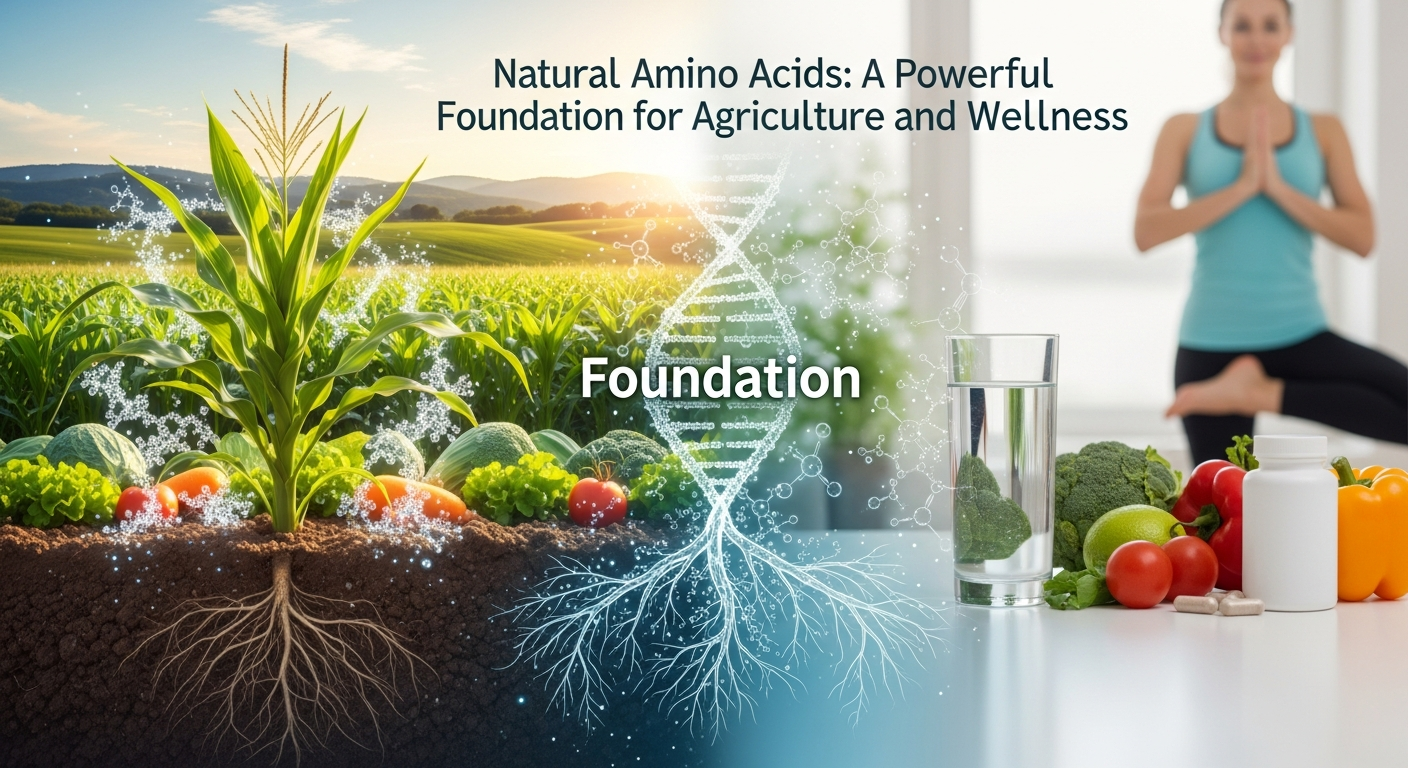
Natural amino acids are classified as “Natural” Organic Compounds and can be found in plants, soils, and all living things. Natural amino acids were created by Nature to utilize the amino acid form of energy (protein) as the primary means of building and maintaining cells.
Natural amino acids also play an essential role in the proper absorption and utilization of nutrients; the metabolic process in plants and animals and the ability of crops to withstand and recover from stresses associated with environment, diseases, etc.
Natural amino acids are naturally derived; therefore, they are readily absorbed and used by plants. Because of their ease of absorption and utilization in both agriculture and other aspects of life, they can help crops produce stronger and faster growth rates and greater crop yields than they could otherwise achieve.
Every application of natural amino acids, whether it is for improving soil quality, sustainable farming practices, or conditions for balanced nutrition, has delivered pure, natural benefits from Mother Earth to agriculture and health.
Understanding Natural Amino Acids in Agriculture
In contemporary farming, natural amino acids play a significant role in maintaining healthy plant growth as they enhance plant development through a variety of means. Natural amino acids originate from plant, soil, and organic materials and aid in the efficient uptake of the nutrients that plants require to grow strong, survive environmental stresses, and maintain uniformity. As farmers continue to adopt environmentally sustainable farming methods, the need for the application of natural amino acids in agriculture is becoming increasingly critical.
What Are Natural Amino Acids?
Natural Amino Acids derive from organic materials like plants, animals and microbes and are utilized as a source of building blocks for protein. Natural Amino Acids naturally exist within healthy soil and healthy plants, so the presence of them within plants are easily recognized and utilized, thereby requiring little to no additional energy to absorb. Therefore, natural amino acids are extremely effective in supporting growth, root development and recovery from environmental stress.
Characteristics of Natural Amino Acids:
- Naturally occurring and bioavailable
- Readily absorbed by roots and leaves
- Encourage protein and enzyme production
- Gentle to the soil and plant environment
Why Amino Acids Matter in Agriculture
Amino Acids do not directly serve as the ingredients for growth but instead can enhance plants’ ability to use nutrients effectively, heighten metabolism of plants, and provide strength to the plant's structure or cell. Under difficult circumstances, such as droughts, high temperatures, or even when transplanting, Plants have the ability to recover more rapidly through the repair of damaged cells and maintaining an optimum energy balance.
Crops' Amino Acid Benefits:
- Increased ability to absorb nutrients
- Faster recovery from stress
- Increased rates of photosynthesis
- Increased flowering, fruiting, and high quality.

Natural vs Synthetic Sources in Farming
Crops may be treated with an array of amino acids, including both natural and synthetic options, as farmers make their choices based on the benefits of the product and their desire to create regenerative agricultural practices. Natural amino acids are found in the same types of organic materials as plants, and have a longer history of use over the centuries, making them a preferred option for regenerative agriculture products.
Some key points about natural amino acids (L-form) versus synthetic amino acids (D-amino):
- Natural L-form amino acids are much higher in bioavailability than synthetic D-amino acids.
- Organic sources of amino acids feed soil microbe populations (bacteria and fungi), resulting in increased levels of microbial activity in the soil.
- Organic sources of amino acids provide pre-synthesized amino acids that allow the plant to take in amino acids rather than expend energy creating new ones
- Natural extraction methods leave a smaller carbon footprint and improve long-term soil fertility.
Natural sources of amino acids also often contain small amounts of other nutrients that increase resistances to plant stresses caused by extreme climatic conditions.
The Role of Amino Acids in Agricultural Systems
Natural amino acids contribute significantly to the overall health of agricultural systems. Plants, soils, and living organisms contain natural amino acids that allow for the efficient growth of both plants and animals while helping to maintain balance in the soil. Due to the multi-functional roles that natural amino acids play, they are an integral part of providing for sustainable agricultural practices.
Amino Acid Function in Plant Growth
Natural amino acids act as growth stimulators to plants internally. Natural amino acids build proteins for the plant, activate enzymes, and provide for the efficient absorption of nutrients from soil and fertilisers. Natural amino acids provide a means by which plants absorb nutrients quickly, thus leading to the formation of healthy green leaves, faster root development and increased flowering.
Benefits of Natural Amino Acids to Plants
- Improved root and shoot growth
- Improved efficiency of nutrient absorption
- Increased rate of photosynthesis and chlorophyll production
- Faster recovery from transplanting or nutrient stress

Amino Acids in Livestock Nutrition
Natural amino acids are important for growth and develop immunity in livestock systems as well as overall health of animals through muscle development, digestion of feed, and metabolic balance. Providing the right nutritional values of amino acids reduces protein loss/waste and increases efficiency of feeds. Because of their essential role in the agriculture to animal health relationship, amino acids serve as a bridge.
Advantages of Amino Acids in Livestock Production:
- Increased feed conversion ratios
- Increased muscle development
- Increased immunity and growth performance
- Decreased waste of nutrients
Amino Acid in Agriculture for Stress Resistance
Environmental stress such as drought, high temperature, salts, or an insufficient supply of nutrients may have a negative impact on the yield of crops. Natural amino acids support plants by promoting repair of cells under stress, maintaining the balance of water in the plant, and stabilizing metabolic function of the plant. Thus, the stress protection that amino acids offer emphasizes the role they will play in agriculture as changes continue to occur due to climate changes.
Environmental Stress Conditions Supported by Amino Acids
- Drought and High temperature
- Transplant shock
- Nutrient imbalances
- Soil salinity

Essential and Non-Essential Amino Acids in Farming
The importance of nutrition is well understood when those nutrients are not available. Fruits, vegetables, and animals require a well-balanced diet to thrive, just as humans do. In agriculture, it is equally as important to know about amino acid types used in crops and livestock. The difference between essential and non-essential amino acids is very clear and crucial to improving productivity, plant health, and feed efficiency through the use of natural amino acids.
Essential Amino Acids in Animal Feed
Essential amino acids are those that cannot be produced by the animal. In order to obtain these amino acids, the animal must consume feed. Essential amino acids are key to the livestock farmer because they play a role in muscle growth, immune protection, production of milk, and overall performance of the animal. Through the use of natural amino acids, the farmer is able to provide his/her livestock with proper nutrition and avoid the waste of excess protein.
Benefits of Natural Amino Acids in Livestock Nutrition
- Supports muscle development and healthy weight gain
- Improves efficiency of converting feed into animal mass
- Improved immune protection and reproduction capabilities
- Decreases nitrogen waste
Non-Essential Amino Acids in Plant Metabolism
Plants synthesise non-essential amino acids as part of their natural cycle but are critical in the production of healthy plants and improving a plant's ability to deal with adverse conditions. Agricultural usage of these naturally occurring amino acids provides everything that is required by the plant's metabolism, such as enzyme production and energy production to support development. Under drought conditions, high temperatures, and poor nutrient levels, many plants have difficulty accessing sufficient amounts of amino acids from within their body.
Amino acids can:
- Aid in increasing the amount of chlorophyll produced and how it is produced through photosynthesis
- Enhance root and leaf production
- Aid plants in coping with variable environmental stressors
- Assist in supporting the ongoing development of the plant, where the soil is of poor quality.
Balanced Amino Acid Profiles for Yield Improvement
The most productive plants and animals produce the highest levels of yield when given a balanced profile of amino acids that contain both essential and non-essential amino acids in sufficient quantities. An imbalanced profile of amino acids for agricultural purposes results in slow growth, inefficient utilization of nutrients, and decreased levels of productivity.
Why Balance is Important:
- Reduces the occurrence of nutrient deficiencies
- Increases efficiency of fertilizer and feed
- Increases yield and quality of crop
- Supports the health of soil in the long term and ultimately supports the health of animals in the long term

Natural Sources of Amino Acids in Agriculture
Natural amino acids are produced by many living things in agriculture (plants, animals and micro-organisms) and contribute to creating healthy agricultural systems. Natural sources of amino acids are easily absorbed by crops, help establish soil health and support regenerative practices. The availability of amino acids allows farmers to maximize crop yields over their lifespan when selecting agricultural inputs.
Plant-Based Sources of Natural Amino Acids
Plants are one of the largest producers of all natural amino acids as they produce all amino acids through photosynthesis and the process of protein synthesis. Crop species (plant-based agricultural products) produce amino acids that enhance crop fertility and metabolism through their plant residue, green manure production, and the use of oilseed cakes and oilseed cake extracts. The use of these plant-based sources applied to crops and soils supports roots, uptake of nutrients and resistance to stress.
Some Common Plant Sources
- Legumes and Pulses.
- Algae and Algal Extracts.
- Neem Oil Seed Cakes.
Animal-Based Organic Sources
Amino acids are an important aspect of farming through animal-derived organic (animal) materials. Animal by-products, manure, composted waste, etc., are a source of readily available amino acids, which help provide nutrition for plant growth. Animal organic sources also assist in providing a more fertile environment for crops and improving soil structure.
It is common for organic sources of amino acids in agriculture to use animal input to enhance the biological activity of soils.
Benefits of Animal Sources:
- Improve the texture and fertility of soils
- Provide organic nitrogen and amino acids
- Increase the rate of microbial activity
- Support consistent crop growth.
Microbial and Fermentation-Derived Sources
Microorganisms play an essential role in producing amino acids in the soil naturally. When hair and other organic materials are broken down and fermented by fungi and bacteria, they yield amino acids and provide the plants with a natural source of amino acids. Fermented amino acids are very bioavailable and absorbed rapidly by plants. Microbially produced amino acids improve the overall health and fertility of the soil ecosystem through nutrient cycling.
Reasons to Appreciate Microbial Sources:
- Increase the biological balance in soils
- Improve nutrient availability
- Assist with the sustainability of agricultural systems
- Increase resiliency of plants.

Benefits of Natural Amino Acids for Sustainable Farming
Natural Amino Acids are critical to the development of a Sustainable and Resilient Agricultural System by supporting Crop Health While Protecting the Environment. The increasing use of Amino Acids in agriculture is an indication of the necessity for the Amino Acids that we utilize to ensure Long-Term Crop Productivity. Natural Amino Acids have an important role in improving the quality of the soil and increasing the activity of Beneficial Soil Microorganisms
Improving Soil Health and Microbial Activity
Healthy Soil is the foundation of Sustainable Agriculture, and Natural Amino Acids provide the fundamental building blocks to Create Healthy Soil. Natural Amino Acids provide an Energy Source for Beneficial Soil Microorganisms to use as a source of Energy for the Development of New Microbes through Metabolic processes.
Soil Benefits from the Use of Natural Amino Acids;
- Increase the Population of Beneficial Soil Microorganisms.
- Increase Soil Structure/Aeration
- Increase the Rate of Breakdown of Organic Matter
- Promote Long-Term Soil Fertility.
Enhancing Nutrient Uptake and Efficiency
Improving nutrient uptake is one of the greatest benefits of amino acid fertilizers to crops. Amino acids help to chelate nutrients from the soil, allowing for improved nutrient uptake. Amino acids also stimulate metabolic and enzymatic processes in plants, helping to prevent the loss of nutrients through leakage from the root. Consequently, amino acids in agriculture are indispensable for increasing crop production with less fertilization input.
Improving nutrient efficiency enables crops to:
- Better absorb nitrogen, iron, zinc, and magnesium
- Minimize nutrient loss to sediments in the soil
- Rapidly respond to fertilization
- Grow uniformly and exhibit improved harvest quality
Reducing Chemical Dependency
There are adverse effects on both Soil and Environmental Quality due to the Excessive Usage of Chemical Fertilizers and Pesticides on your Crops. When you use Natural Amino Acid Products to Strengthen your Crops Naturally, you Lower the Amount of Chemical Fertilizer and Pesticide Inputs you need to Apply to them. Healthier Crops have Greater Resistance to Various Stressors Such as Pests and Diseases and Lessen the Need for Surface Chemical Applications.
Advantages to Reducing Amount of Chemicals Used on Your Crops include:
- Reduced Pollution of Soil and Water
- Increased Safety and Quality of Crop Product
- Reduced Costs Associated With Crop Production
- Create a Better Long-term Environmental Balance

Supplementation of Natural Amino Acids in Agriculture
Natural amino acids are being used more and more as a gentle yet effective organism feed supplement for all phases of plant and animal production in Agriculture. Because of their biological activity and the ease with which crops and animals absorb them, natural amino acids enhance productivity, promote soil health and enhance livestock well-being. To maximize the positive impacts of natural amino acids in Agriculture, they must be applied in the correct way.
Foliar Application in Crops
Foliar fertilization is the fastest method of providing natural amino acids to crops. When applied to crop leaves via foliar fertilization, natural amino acids are taken up rapidly by the plant and quickly begin to be used in its biochemical processes without delay. This method of application is highly beneficial during critical growth periods such as flowering, fruiting and under extreme environmental conditions (heat, drought).
Key Benefits of Foliar Application of Natural Amino Acids
- Plant quickly absorbs natural amino acids via foliar applications
- Enhances photosynthesis and chlorophyll production
- Increases number and quality of flowers and fruit
- Permits plants to withstand extreme environmental conditions such as drought and heat
Soil Application for Root Development
The addition of amino acids into the soil will create an environment that fosters a healthy root system. Nutrient absorption by plants is greatly increased through the increase in microbial population due to the added amino acids for nutrient uptake by plant roots. This application method should be used in conjunction with soil application during the early stages of plant development, i.e., root establishment.
Soil Application Advantages:
- Stronger Roots
- Higher Nutrients Absorbed
- Better Soil Structure/Biology
- Increased Stability and Resilience in Plants

Feed Supplementation in Livestock
In livestock production, farmers use amino acids to optimize the health and viability of their livestock. Farmers use amino acids to improve the way livestock utilise animal proteins, which leads to reduced feed waste as well as enhanced digestion of feed by the animal. Feed supplementation with amino acids provides a balanced source of nutrition for livestock without providing excess protein.
Benefits of Using Amino Acids in Livestock Feed:
- Improved Feed Conversion Rate
- Improved Growth Rates and Immune Performance
- Reduced Nitrogen Excretion
- Aiding the Development of Sustainable Livestock Production Systems.
Amino Acid Deficiency in Agriculture: Causes and Solutions
Without proper nutrition, it is hard to grow and maintain healthy plants and livestock. Amino acids are important because they provide the building blocks for proteins that support growth and health. If a plant or animal lacks the proper amount of amino acids, the effect can be reduced growth rates, compromised immune systems, and lower yields. Recognizing the presence of an amino acid deficiency early allows for correcting this deficiency using natural solutions, resulting in healthier plants, animals and soils.
Signs of Amino Acid Deficiency in Plants
When plants lack adequate amounts of amino acids, they exhibit physical signs of stress and poor overall growth. Amino Acid deficiencies are frequently caused by unhealthy soils, blocked nutrient uptake, or environmental stress on the plant.
Common Signs of Amino Acid Deficiency in Plants:
- Yellowing or light-green leaf color
- Slow/stunted growth
- Poor root development
- Lower amounts of flowering and/or fruiting.
Deficiency Issues in Livestock Nutrition
When livestock experience amino acid deficiencies it leads to impaired growth rates, compromised immunity, and lower efficiency of feed intake and utilization. For optimal growth, maintenance of health and reproductive performance in livestock requires adequate access to the correct amount of amino acids.
Some common signs of amino acid deficiencies in livestock include:
- Less than optimum weight gain
- Decrease in milk or egg production
- Decreased immunity resulting in increased incidence of disease
- Feed conversion efficiency is below expectations
Correcting Deficiency Naturally
The most effective and environmentally sustainable method of correcting livestock amino acids deficiencies is through natural options. Using naturally created amino acids allows both plants and animals to recover rapidly, while maintaining a healthy soil environment. When it comes to crops, natural amino acids are typically delivered via foliar spray or soil amendment; for livestock, they are delivered as supplements within the diet.
Methods for Natural Correction of Livestock Amino Acid Deficiency:
- Utilize foliar application for rapid recovery of plants
- Use soil conditioning to facilitate nutrient uptake of amino acids
- Use a complete and balanced ration for feeding livestock
- Support soil microbial populations that produce the amino acids required by livestock

FAQs
Q1. What are natural amino acids used for in agriculture?
Natural amino acids support plant growth, improve nutrient uptake, and enhance stress tolerance in crops and livestock.
Q2. How does amino acid in agriculture improve crop yield?
It boosts plant metabolism, root development, and nutrient efficiency, leading to healthier growth and higher yields.
Q3. Are natural amino acids safe for organic farming?
Yes, naturally derived amino acids are safe, eco-friendly, and widely accepted in organic agriculture.
Q4. Can amino acids reduce fertilizer usage?
Yes, amino acids improve nutrient absorption, allowing farmers to reduce excessive fertilizer application.
Q5. Do livestock benefit from natural amino acids?
Yes, they improve feed efficiency, growth performance, and overall animal health.
Conclusion: Why Natural Amino Acids Are Essential for Modern Agriculture
Natural amino acids provide essential support to agriculture, assisting with healthy plant growth, efficient utilization of crop nutrients and sustainable farming methodologies through the use of safe and natural substances. The amino acids that naturally occur as a part of a plant’s structure assist in improving the efficiency with which crops absorb nutrients, improving crop recovery from environmental stress, and improving evenness of growth. Their natural origins also provide protection to soil ecosystems as they do not harm the environment and are therefore suitable for organic and Eco-Friendly Farming practices.
With the increasing cost of inputs and the challenges resulting from climate change, natural amino acids provide farmers with the practical means to improve their productivity while at the same time reducing their reliance on chemical fertilizers. By improving soil health, increasing the resilience of plants, and contributing to livestock nutrition, natural amino acids contribute to long-term agricultural resilience. By incorporating these natural resources, farmers are able to increase their production, provide a higher quality of product and create a sustainable future for agricultural production.