

Maximize Your Wheat Harvest with the Right NPK Fertilizer
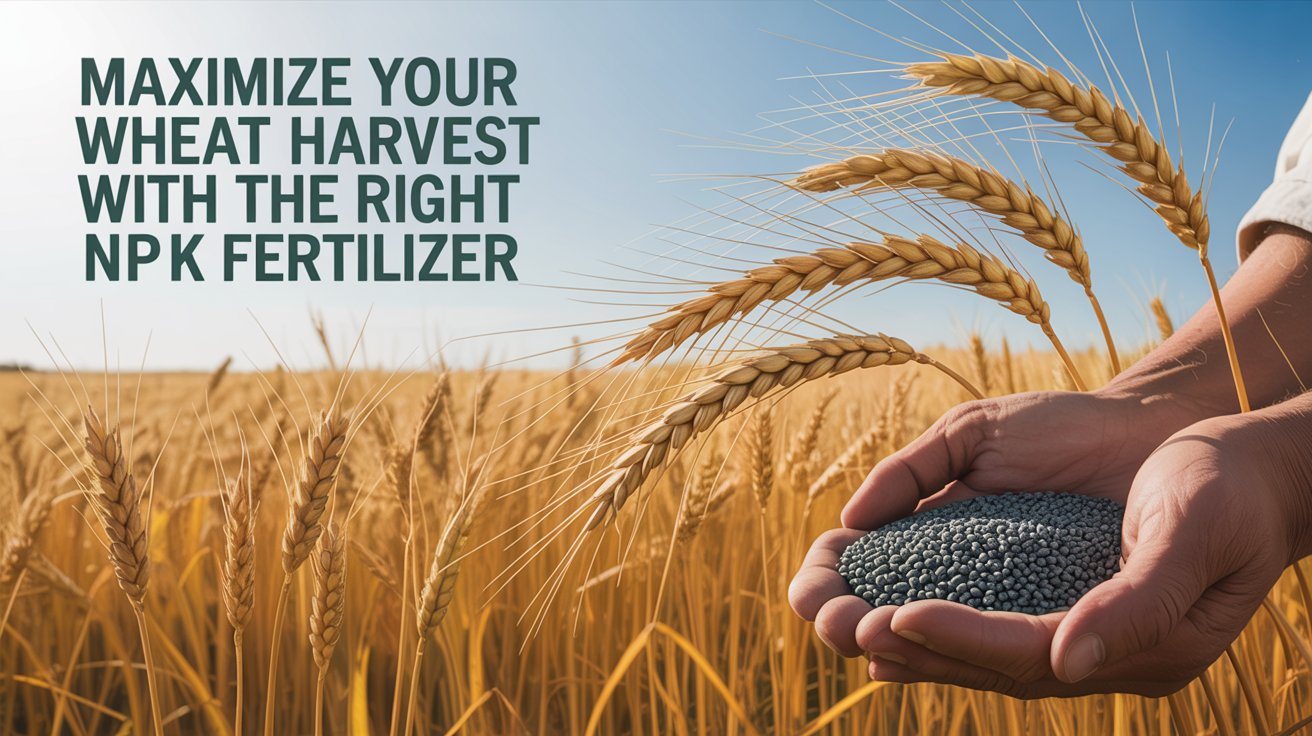
To achieve a high yielding wheat crop, the grower must consider soil fertility and nutrient management. One of the best ways to increase wheat production and grain quality is to know the proper use of NPK fertilizers. Knowing how NPK for wheat works, the best NPK for wheat, and how much NPK for wheat to use at the right growth stages can improve yield and crop health.
Balanced NPK fertilizer provides nitrogen (N), phosphorus (P), potassium (K), and specific nutrients at different wheat stages. Nitrogen will promote robust vegetative growth and green leaves, phosphorus will build root systems and promote early maturity, and potassium will promote disease resistance, fill grain and push plant health. Selecting the proper NPK for wheat will promote each of these functions, developing stronger plants and higher yields.
Applying the NPK fertilizer may be more than just determining the proper ratio. The farmer needs to know soil type, previous crops and environmental conditions to determine the NPK dose for wheat. Timeliness of applications, including basal fertilizer at sowing and top dressing at tillering and boot stages will optimize uptake and prevent wasteful applications. In addition, the NPK application should be split according to the crop.
Understanding NPK: The Key Nutrients for Thriving Wheat Crops
Wheat is a significant crop that responds very well to nutrient management for maximum growth and yields. The NPK for wheat describes how the plant receives essential nutrients-Nitrogen (N), Phosphorus (P), and Potassium (K) in their respective proportions. Proper knowledge of the use of these nutrients can turn your wheat field into a very productive crop.
What NPK Means and Why It Matters for Wheat
The NPK acronym defines the three primary macronutrients on fertilizers:
- N-Nitrogen: Needed for leaf and stem growth.
- P-Phosphorus: Important for root growth and energy of the plant.
- K-Potassium: Contributes to water regulation, disease resistance, and grain quality.
When growing wheat, balance is key. Even with high nutrient levels or fertilizer use, if the nutrients are not balanced, the wheat will have weak stems, roots, and generally low yields. Choosing the npk for wheat allows you to be certain the wheat plant has access to the balanced nutrients it requires at that stage of development.

How Nitrogen, Phosphorus, and Potassium Support Wheat Growth
- During the vegetative phase, nitrogen is the most important nutrient. Sufficient nitrogen promotes tillering, greener leaves, and biomass accumulation.
- Phosphorus is critical in the early growth stage of wheat. It supports root growth, enhances nutrient uptake, and ensures that wheat flowers at the right time.
- Potassium is prominent during grain filling and during stress. Potassium improves moisture retention of plant tissues, increases disease resistance, and has been linked to higher grain weight and quality.
By applying the recommended npk rates for wheat, growers can enable each growth growth stage(before heading to grain fill)to have the nutrients necessary to optimize yield.
Benefits of Using Balanced NPK Fertilizer for Wheat
A balanced NPK fertilizer specifically for wheat has many benefits:
- Even Growth: An NPK fertilizer also ensures uniform tillering and a strong plant structure.
- Higher Yields: A balanced nutrient ensures grain numbers and grain size.
- Reduced Disease Pressure: Adequate levels of potassium improves plant resistance to disease.
- Reduced Nutrient Inefficiencies: Minimizes nutrient loss and prevents leaching.
- Sustainable Production: When an NPK dose for wheat is properly determined, it can enhance long-term soil health and fertility.
Combining soil testing, appropriate fertilizer load based on NPK values, and best practices for wheat will also help farmers with the desired application rates, while maximizing nutrient availability and minimizing environmental impact.

This approach ensures that npk for wheat is applied effectively, improving both crop quality and yield while maintaining soil health.
Determining the Ideal NPK Ratio for Different Growth Stages of Wheat
Effective nutrient management is important for optimum yield and quality of wheat. Identifying the npk for wheat at each growth stage is meant to provide the necessary amount of an essential nutrient, when the crop requires it. When growers know the role nitrogen, phosphorus, and potassium make in wheat sowing, tillering, and flowering growth stages, they can develop customized fertilizer management strategies to achieve sustainable productive outcomes.
Best NPK for Wheat at Pre-Sowing Stage
The pre-sowing stage is where roots will be promoted and establishment of early plants. A balanced npk fertilizer at this stage can lead to consistent germination, strong seedlings, and successful nutrient uptake.
Key Points:
- Phosphorus is critical for root development.
- Nitrogen increases early vegetative growth.
- Potassium increases soil structure and initial stress resilience.
Recommended NPK Dose Table for Pre-Sowing Stage:

Application of the recommended npk dose for wheat at this stage ensures robust seedlings and prepares the crop for healthy growth during the vegetative phase.
Optimal NPK During Tillering Stage
Tillering is an important growth phase of wheat where it develops many stems, which affects the final yield. The appropriate application of an npk fertilizer during the tillering stage can promote a large number of vigorous tillers and an expanded plant canopy for optimum light interception and photosynthesis.
Key points:
- Nitrogen effects, support tiller growth and leaf growth.
- Phosphorus continues to support root elongation.
- Potassium strengthens stems and increases stress tolerance.

Applying the npk for wheat best during tillering ensures a dense and productive crop canopy, which is essential for high yield potential.
NPK Ratios for Flowering & Grain Filling
The flowering and grain-filling stages are the most critical to the quality and quantity of the wheat harvest. It is at this stage that proper nutrition improves the grain's size and weight, contributing to overall productivity. The optimal reproduction support and environmental stress resistance from npk fertilizer can help improve flowering and grain-filling stages..
Key Points
- Nitrogen is important for photosynthesis and protein content of the grain.
- Phosphorus is important for energy transfer and reproduction.
- Potassium is important for disease resistance and grain quality
NPK Dose Table for Flowering & Grain Filling Stage:

Using the correct NPK dosage in the flowering and grain filling stages gives a superior grain yield (and higher marketable grain yield quality).
Applying NPK Fertilizer Effectively in Wheat Fields
The proper use of NPK for wheat is important for high yield, healthy plants, and the most efficient use of nutrients. The timing, method, and rate of NPK fertilizer for wheat can significantly affect crop growth, grain production, and profit on the farm. Learning to properly use NPK fertilizers on company farms conserves resources and promotes sustainable practices while preventing nutrient loss.
Methods of NPK Fertilizer Application
NPK fertilizer can influence how available the nutrients are to the wheat plant. The type of method used will ensure nutrients are applied efficiently and evenly to the plant.
- Broadcasting NPK: the NPK is spread evenly on the field at one time before planting.
- Banding NPK: refers to applying NPK fertilizer in bands nearby the seed, being at the side or on top of the soil, to enhance completeness of root uptake.
- Top Dressing NPK: increase the speed of production by applying NPK fertilizer during the vegetative or tilling stage.
Application Method Comparison Table:

Choosing the right method of applying npk fertilizer is critical to assuring adequate plant nutrient uptake at all growth stages.
Timing NPK Fertilizer for Maximum Effect
The growth stage of wheat indicates the best timing to apply N, P, and K for wheat. Fertilizing at the best stage supports proper plant structure and development of the plant with optimal grain yield.
Key Points:
- Pre-sowing application enhances early establishment of seedlings.
- Fertilizing at the tillering stage enhances stem and leaf elongation and development.
- Fertilizing at flowering and grain filling stages enhances grain size and quality.
Timing Guidelines Table:

Proper timing of NPK application to wheat will ensure that potentially available nutrients from the applied package will be fully utilized by the plant with minimal losses and high efficiency.
Frequency and Dosage Guidelines for Wheat
Correctly managing the frequency and amount of npk fertilizer is very important as both over-fertilization or nutrient deficiencies can affect productivity. Fertilizer management prevents these issues and promotes plant health and yield.
Some important points:
- NPK can be split-applied based on the growth stage of the crop to reduce nutrient leaching.
- The NPK rate for wheat can be modified based on the nutrient status in the soil and any crop prior to wheat plant growth.
- Check and monitor plant growth to guide a more precise NPK schedule.
Dosage Table for Wheat Fertilization:

Following the correct npk for wheat best dosage and application frequency ensures maximum efficiency and optimal yield.
Avoiding Common Mistakes in Wheat NPK Fertilization
Utilizing npk correctly for wheat management is vital for high yield and good soil fertility. Too many farmers will apply too much fertilizer, put it on at the wrong time of the season, or just ignore the signs of deficiencies, which results in lower productivity, and potentially harm soils for longer term. It is understood the surroundings that these want-to-be productive farmers often encounter help use npk for wheat even better.
Over-Fertilization Risks and Consequences
Applying too much npk fertilizer may harm wheat crops and the environment. Abundant fertilizer use may cause nutrient leaching, soil acidification, and lowered grain quality.
Major Points:
- Excess nitrogen may lead to vegetative growth, bunting, and delayed flowering.
- Excess potassium may lead to decreased uptake of other essential nutrients.
- Excessive fertilizer use may lead to nitrogen contamination of nearby water bodies through run-off, etc.
Over-Fertilization Table:

Using the correct npk dose for wheat ensures balanced growth and avoids these issues.
Correcting Nutrient Imbalances in Wheat Crops
An improper N, P, K ratio indicates a nutrient imbalance in the soil for wheat. A balanced nutrient ratio provides better crop health and yield.
Take Home Points:
- Use soil testing to identify early nutrient deficiencies, or excesses before fertilizing.
- When using npk fertilizers, manipulate applications to arrive at the ratio that is best for wheat in relation to crop activity and soil condition.
- Use organic amendments with synthetic npk fertilizer to help balance nutrient ratios.
Nutrient Imbalance Correction Table:

Proper use of npk for wheat helps maintain balanced nutrient levels for optimal crop development.
Identifying Signs of NPK Deficiency in Wheat
Detecting nutrient deficiencies early means you can add the proper npk fertilizer quickly. The symptoms of each deficiency are obvious.
Highlights:
- Nitrogen deficiency: Yellow older leaves and tiller reduction.
- Phosphorus deficiency: Dark green or purplish leaf color; poor root system.
- Potassium deficiency: Leaf margins yellow or brown; poor disease resistance.
NPK Deficiency Table:

Recognizing these signs and adjusting npk dose for wheat ensures wheat crops remain healthy and productive.
FAQ
Q1What is the best NPK for wheat?
A balanced 20-20-20 formulation would be the ideal NPK for wheat in order to achieve optimal growth and yield.
Q2 How often should I apply NPK fertilizer to wheat?
Apply NPK for wheat in split applications at three key points in time: pre-sowing, tillering, and grain fill.
Q3What is the recommended NPK dose for wheat per hectare?
Approximately 120 - 150 kg of N (Nitrogen), 60 - 80 kg of P₂O₅ (Phosphorus) and 40 - 60 kg of K₂O (Potassium) of NPK per hectare would generally be recommended rate of NP/kg for wheat, dependent upon soil conditions and other agronomic factors.
Q4 Can I use NPK fertilizer for all wheat varieties?
Yes, while you can use npk for most wheat varieties, it is the rate of application that could differ.
Q5 Is soil testing necessary before applying NPK fertilizer?
A soil test would assist in determining the appropriate NPK application rate, thus allowing nutrients to be applied more efficiently.
Conclusion: Boost Your Wheat Harvest with the Right NPK Strategy
In order to ensure high yields of wheat and strong expression growth, any fertilization program is important. Choosing the correct N-P-K source is also important. Delivering a specific rate of nitrogen, phosphorus and potassium will ensure that under all growth stages, you'll provide the wheat plant with nutrients that it needs. By method of applying the correct rate of npk application for wheat, you're promoting new leaf growth, root growth and grain heading, and enhancing soil biological activity for future crops. When applying the correct dosage of npk for wheat, either too much or too little can result in imbalances in nutrients, reduced yield or stress the environment. Learning to determine the correct npk dose for wheat based on soil testing and the growth stages of wheat - pre-sowing to stem elongation to grain filling - will ensure that you are applying proper and specific nutrition to support wheat plant health and productivity. Any approach in planning your npk for wheat means growers have the ability to produce high quality and sustainable yield. Whether or not this is from conventional or organic N-P-K blends, the rules should always be based on balance, dose, rate and timing of nutrition. If the above principles are adhered to you will maximize yield , volume and most importantly land health and productivity.