

The Power of Natural Mycorrhizae: Unlocking Soil Health and Plant Growth
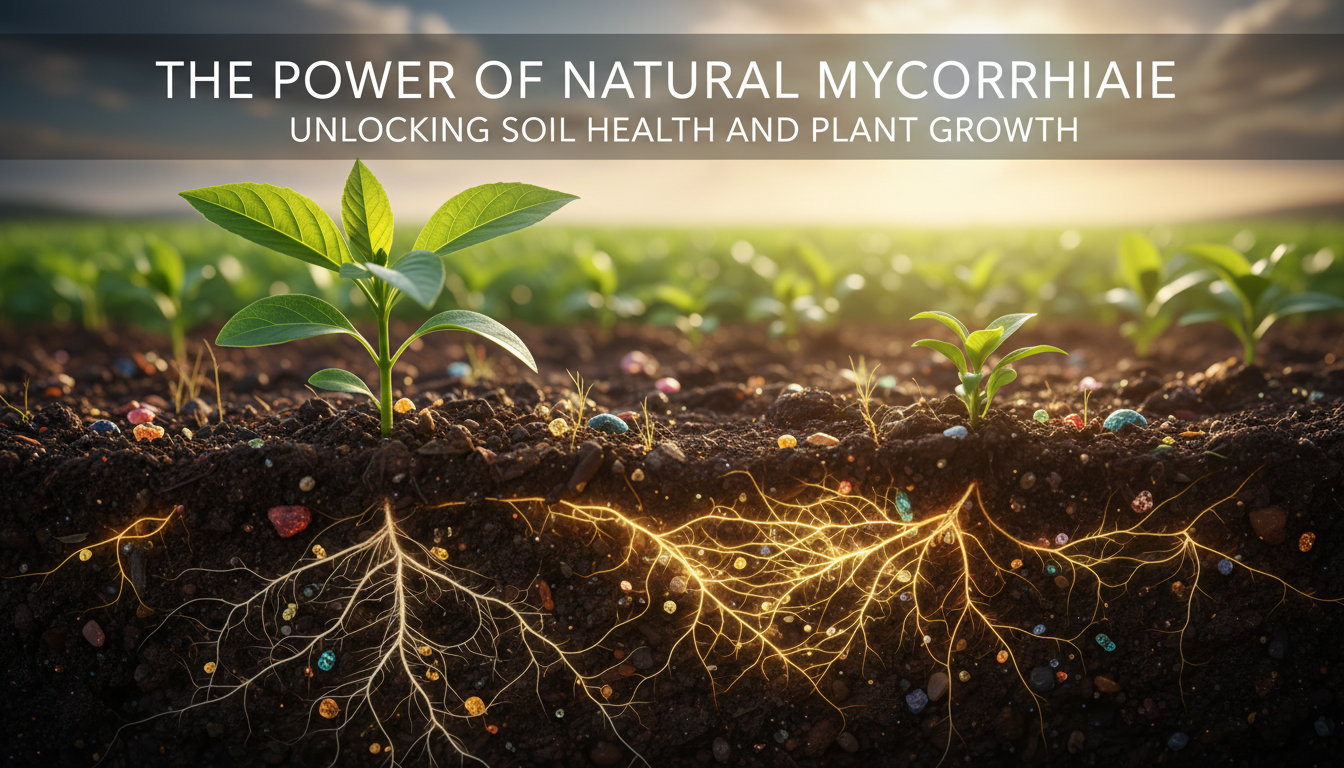
Fungi are called natural mycorrhizae when they are found naturally growing in connection with plant roots. For millions of years, mycorrhizae and plants have established relationships that lead to healthy ecosystems (as in health); therefore, through these relationships, mycorrhizae have provided important ecological functions such as nutrient absorption of soils and physical biomass support for the creation of healthy soils.
Mycorrhizae create extensive networks of fungal material formed around the root zones of plants through the transformation of phosphorus, nitrogen, zinc and other essential nutrients into forms that are more easily taken up by plants. With these extensive networks of mycorrhizae, plants can access significantly longer distances of soil than they could without mycorrhizae.
In addition, mycorrhizae enhance soil moisture and provide support for root growth, thus allowing plants to thrive in conditions of drought and/or extreme physical conditions. Therefore, mycorrhizae provide essential support for healthy crop production, vibrant gardens and the establishment of sustainable ecosystems.
The application of natural mycorrhizae can help to foster sustainability in the way in which we improve the ability of soils to support plant growth and, therefore, to provide food for our families. By utilizing natural methods in the production of healthy plants, producers will be able to reduce their dependency upon synthetic fertilizers, thereby improving the long-term health of soils.
Understanding Natural Mycorrhizae: What They Are and How They Function
Mycorrhiza is the name given to a group of beneficial fungi that have formed a symbiotic (mutually beneficial) relationship with plant roots in healthy soils. These help to maintain healthy soils, as well as support the health of plants grown in those soils. Mycorrhizal (mycorrhizae) fungi can be found in forests, grasslands, croplands, and gardens. Mycorrhizae are also one of the most important factors in creating and maintaining productive ecosystems and fertile soils.
The function of mycorrhizae is different from that of synthetic fertilizers. While synthetic fertilizers provide nutrients to plants directly, mycorrhizal fungi provide the plant roots with access to nutrients that are already present in soil by extending out from the root system. This form of nutrient-dependent plant support has existed naturally for hundreds of millions of years as a primary means of supporting plant growth; it continues to be an important tool for supporting sustainable agriculture today.
What Are Natural Mycorrhizae?
Mycorrhizal fungi are the name given to the beneficial fungi that leave their spores in soil, which subsequently form natural mycorrhizal bonds with plants when they grow.
Natural mycorrhizal fungi characteristics:
- Occurs naturally in healthy soils
- Forms a symbiotic relationship with most of the plants
- Enhances availability of nutrients and water to plants
- Facilitates deeper, stronger roots.
How Plant Mycorrhizae Form Symbiotic Partnerships
The symbiotic relationship that exists between fungi and plants is beneficial to both organisms. When plant roots release chemical signals into the surrounding soil, they form mycorrhizae that attract potentially beneficial species of fungi.
The process of forming mycorrhizal symbiosis is comprised of the following stages:
- Chemical signals from root exudates attract fungal spores.
- Fungi colonize either the outer surface of roots or the interior tissue of roots.
- Fungi develop networks that extend through soil.
- Nutrients are exchanged from fungi to plants.
- Plants provide carbohydrates to fungi.

Why Mycorrhiza Matters in Nature
Healthy vegetation in any ecosystem is dependent upon the natural occurrence of mycorrhizae and provides many ecological functions. In addition, mycorrhizae help promote healthy plant populations by providing help to plants growing in stressful situations.
The following are examples of the ecological contributions of mycorrhizal fungi to vegetation and to the soil:
- Improving the stability and structure of soil
- Enhancements in the cycling of nutrients
- Creation of and support for diverse plant populations
- Increased potential for ecosystems to recover from stressors.

Benefits of Natural Mycorrhizae for Plants and Soil Ecosystems
Mycorrhizae are naturally occurring fungi that are the key to promoting plant and soil health and, therefore, plant and soil ecosystems. Mycorrhizae engage in a mutualistic relationship with the roots of plants and enhance the ability of the plant to absorb nutrients via the soil, provide proper use of water, and build stronger defences against insect pests and disease.
Plant mycorrhizal fungi are a necessary component for supporting the success of plants no matter what ecosystem they grow in (forests, farms, gardens or grasslands) and for providing a sustainable source of soil health for future generations.
Improved Nutrient Uptake and Root Development
Natural mycorrhizal fungi are highly beneficial because they facilitate the absorption of nutrients by plant roots. The fungal mycelium, or hyphae, spreads far and wide out from the root zone and helps to connect to nutrient sources that would otherwise be inaccessible to plants.
Some of the key benefits related to nutrient availability are:
- Enhanced phosphorus uptake
- Increased absorption of zinc, copper, and iron
- Increased nitrogen levels
- More efficient nutrient-use by plants

Enhanced Water Absorption and Drought Resistance
Plants with natural mycorrhizal relationships have an enhanced potential to absorb and hold onto water. The mycorrhizal fungal network extends the root system of the plant, increasing the volume of soil that the plant can utilize to find moisture.
How mycorrhizae support plants in times of drought:
- Explore deeper soil to look for water
- Hold moisture longer for the plants
- Reduce water stress on the plant.
Disease Resistance and Overall Plant Health
Besides enhancing water and nutrient acquisition, mycorrhizal fungi help to bolster the overall health of a plant's defensive systems. By providing beneficial fungi with a healthier root system, the fungi can also compete with various pathogens for space and resources, thus helping to protect the roots even more.
Some of the overall advantages of having healthy plants are listed below:
- Fewer chances of developing root disease
- A greater ability to resist environmental stress
- An increase in plant growth and/or vigour
- The ability of plants to grow stronger root systems.
How Natural Mycorrhizae Improve Soil Health and Fertility
Productive agriculture, flourishing gardens and resilient ecosystems all depend on healthy soil. One of the key factors in the quality of soil is natural mycorrhizae, which are networks of beneficial fungi that grow in close association with plant roots. Mycorrhizae improve the structure of the soil, increase the availability of nutrients and increase biodiversity of beneficial microorganisms.
Mycorrhizae and amendments to the soil are different in that the benefits provided by mycorrhizae are long-term because they create biological systems where soil fertility continues to be improved over an extended period of time. By interacting with the plant roots and other soil organisms, plant mycorrhizae assist in maintaining a balanced and sustainable environment for plant growth.
Soil Structure Improvement Through Fungal Networks
Mycorrhizae are extremely beneficial due to their abundance of underground fungal mycelium creating large networks throughout the soil. The mycelium consists of microscopic filaments (hyphae) that form a binding agent between the various types of soil particles, resulting in stable soil aggregates.
Ways in which the mycelial network contributes to the stability of soil include:
- Connecting the roots of plants to a greater area of soil.
- Increasing stability of the soil particles.
- Reducing erosion due to water and wind.
- Increasing the amount of water that can be held in the soil.

Organic Matter Decomposition and Nutrient Cycling
Mycorrhizal fungi play a role in decomposing organic matter through interactions with bacteria and other microorganisms such as by breaking down plant material and organic matter into usable nutrients through decomposition.
How Mycorrhizal Fungi Aid in Organic Matter Decomposition:
- Through stimulation of microbial activity
- By improving the transportation of nutrients through soils
- By improving biological processing of organic matter
- By reducing nutrient leaching that would result in loss of nutrients
Promoting Soil Biodiversity and Ecosystem Balance
Healthy soils are filled with life. Within healthy soils are many species of microorganisms that interact with one another to assist plants in growing healthily.
Environmental Benefits of Mycorrhizal Fungi are:
- Support of sustainable nutrient cycling.
- Stability of ecological systems.
- Establishment of healthy plant communities.
- Support for long-term soil productivity.
How Natural Mycorrhizae Support Sustainable Farming and Gardening Practices
Mycorrhizae are very valuable natural sources of mycorrhizal fungi that increase plant production and improve soil quality through their relationships with other organisms in the ecosystem (mycorrhizal fungi, bacteria, nematodes, earthworms, etc.) They also provide a means of transitioning agricultural and gardening practices towards more environmentally friendly methods.
Mycorrhizae (mycorrhiza) and other mycorrhizal fungi are the primary source of establishing a healthy soil system, maintaining a thriving plant growth environment, and supporting the development of an agricultural and gardening ecosystem that can thrive with minimal inputs of artificial fertilizers.
Reducing Dependency on Chemical Fertilizers
A significant benefit of native mycorrhizae is their capacity to enhance the efficiency of nutrient utilization. The hyphal network of the fungus can reach soils that cannot be accessed by roots of the plant.
Mycorrhizae will help to reduce the reliance on fertilizer as follows:
- Increased absorption of phosphorus
- Increased availability of trace minerals
- Increased efficiency of how nutrients are used
- Reduced loss of nutrients through leaching.

Supporting Organic and Regenerative Agriculture
Plant mycorrhizae naturally enhance the above-stated process by assisting with biological nutrient cycling and improving soil quality.
Mycorrhizae are beneficial to regenerative farming in four key ways:
- The restoration of degraded soil
- The storage of carbon
- The support of biodiversity
- The improvement of soil fertility in the future
Eco-Friendly Gardening and Landscape Management
When you have healthy fungal populations in place they will assist ornamental plants, lawns, shrubs, vegetables and trees to develop more quickly and effectively while using less chemical inputs.
The benefits of mycorrhizae for gardens and landscapes include:
- Aiding the establishment of more robust root systems
- Improving drought resistance abilities
- Providing a boost to flowering and plant health
- Reducing the amount of maintenance needed
Ways to Promote and Enhance Natural Mycorrhizae in Your Soil
Mycorrhizae, which are beneficial symbiotic fungi, do not occur purely by coincidence in nature's ecosystems. They establish themselves in biologically active soils with plenty of organic material that have been disturbed minimally. The relationship between the plant roots and mycorrhize is symbiotic and beneficial, therefore the management of your soil will significantly impact both the amount and effectiveness of the mycorrhizal fungi that develop within your soil.
If you would like to develop a more extensive network of mycorrhizal fungi, both farmers and gardeners can implement practices that will promote biological health in their soils as opposed to disrupting it. Through improved soil conditions will come increased fungal colonization, increased cycling of nutrients through the soil as well as ultimately providing a better growing environment for the crop or plant.
Using Organic Amendments and Cover Crops
Cover crops and organic amendments provide food and habitat for beneficial organisms in soil such as natural mycorrhizal fungi. Organic amendments will improve both organic matter content of soil and keep active microbial communities throughout the entire year.
Typical organic amendments used effectively include:
- Compost
- Farm manure
- Vermicompost
- Residues from crops grown
- Mulch
Minimal Tillage and Soil Disturbance Practices
Over-tilling has a major negative impact on mycorrhizal networks. The mycorrhizal fungi establish extensive and delicate connections between the soil and plant roots through their underground hyphal network, which can be disrupted when disturbed multiple times during operations.
Best Practices:
- Minimum Tilling Systems
- No-till Where Possible
- Reduce the Frequency of Tillage
- Controlled Traffic Farming

Encouraging Plant Mycorrhizae Through Proper Soil Management
Healthy plant mycorrhizae can be established and maintained through proper soil management techniques. Soil condition has an effect on the survival of the fungal population, their colonization of plant roots and the exchange of nutrients between the two groups.
Best practices in soil management are as follows:
- Maintain adequate moisture levels in the soil.
- Avoid using excessive amounts of chemical fertilisers.
- Do not use fungicides in excessive amounts.
- Monitor the pH balance of soils.
- Increase the organic matter content of soils.
Common Myths and Misconceptions About Natural Mycorrhizae
Growing interest in sustainable farming systems and understanding soil biology has led to an increase in the number of farmers, gardeners and researchers wanting to learn about the topic of natural mycorrhizae. Yet there are still a number of myths or misunderstandings about how mycorrhizal fungi function and their purpose in supporting plant growth.
With a better understanding of the facts behind these misconceptions, growers can make more informed decisions and gain maximum advantage from the beneficial effects of mycorrhizal fungi (plant mycorrhizae) within their soil management practices.
Do All Plants Benefit from Mycorrhiza?
Many people think that all plants have a mycorrhizal connection. Most land plants do benefit from such relationships, but there are a limited number of plant species/groups which tend to not establish mycorrhizal partnerships.
Some of these species/groups include:
- Brassicas (such as mustard, cabbage, and broccoli)
- Plants in the spinach and beet families
- Certain aquatic plants.

Are Mycorrhizae the Same as Fertilizers?
It is often said that natural mycorrhizae and fertilizers perform the same function. However, in fact, they have very different functions in terms of plant nutrition.
Mycorrhiza and fertilizers:
- Expand the root system through the use of fungal hyphae
- Unlock previously unavailable nutrients from the soil
- Provide nutrients to the plant directly
- Address nutrient deficiencies in a short time frame

Can Natural Mycorrhizae Survive Without Human Intervention?
There are a lot of misconceptions about fungi. More than ever before people are believing that beneficial fungi have to come from inoculants commercially available to be added to the soil.
Natural types of mycorrhizal fungi grow in abundance:
- In forest ecosystems
- In undisturbed grasslands
- In healthy soils being cultivated agricultural
- In systems practicing organic farming
FAQs
Q1. What are natural mycorrhizae?
Natural mycorrhizae are beneficial fungi that form symbiotic relationships with plant roots, helping plants absorb nutrients and water more efficiently.
Q2. How do plant mycorrhizae help plants grow?
Plant mycorrhizae enhance nutrient uptake, strengthen root systems, improve water absorption, and increase plant resilience to stress.
Q3. Can natural mycorrhizae reduce fertilizer use?
Yes, natural mycorrhizae improve nutrient-use efficiency, allowing plants to access more nutrients from the soil and reducing the need for excessive fertilizer applications.
Q4. Are natural mycorrhizae suitable for organic farming?
Absolutely. Natural mycorrhizae are widely used in organic and regenerative farming because they support soil health and plant growth naturally.
Q5. How can I increase natural mycorrhiza populations in soil?
You can encourage natural mycorrhizae by adding organic matter, growing cover crops, minimizing tillage, maintaining living roots, and reducing excessive chemical use.
Conclusion: Embrace Natural Mycorrhizae to Boost Plant Health and Foster a Thriving Ecosystem
There are beneficial mycorrhizal fungi (fungi that reside in a symbiotic relationship with many plants) that exist in tandem with the roots of most plants. The symbiosis created by mycorrhizal fungi increases a plant’s ability to obtain nutrients, absorb water, develop roots, and resist environmental stresses. This mutual benefit applies throughout all types of produced plants and results in stronger plants that support the long-term viability of soil productivity and sustainability.
Mycorrhizal fungi are also important for enhancing the overall health of an entire ecosystem. The presence of mycorrhizal fungi helps to create soil structure, promotes diversity and helps to provide an alternative to using chemicals as fertilizers. Farmers and gardeners can create a more sustainable growing system that will produce healthier food for future generations, enhance the fertility of their soils and create an environment that supports successful plant growth by maintaining and enhancing the natural mycorrhizae present within soils.