

Unlocking the Secrets of Mycorrhiza: Types and Benefits
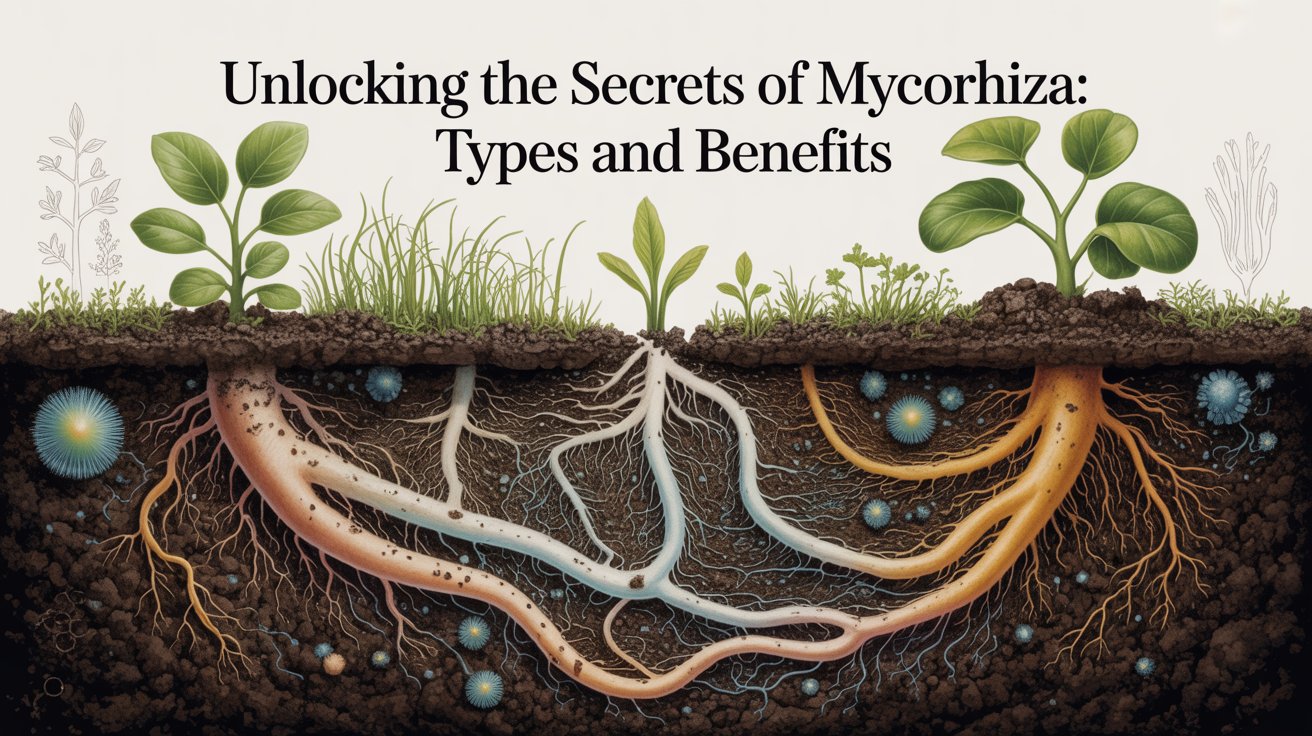
Mycorrhiza defines a fascinating and mutually beneficial relationship between fungi and plant roots which aids both organisms in their growth process. This relationship is important for growth because fungi assist with water and nutrient uptake and the plant(s) are providing carbohydrates that they synthesize successfully. As a gardener, farmer, or ecologist, knowing about certain types of mycorrhiza and their mycobionts will help in the maintenance of soil fertility, plant growth, and overall ecosystem balance.
There are various types of mycorrhiza functioning in diverse and varied ways, particularly confronting soil or plant health. The most readily found mycorrhiza type is arbuscular mycorrhizae (AM) and they can be found on many species of plant. Arbuscular mycorrhizae help plants acquire phosphorus and secondary nutrients. Ectomycorrhizae (EM) form a sheath around the root system of forest trees not only adding nutrients for utilization but also allows the tree to use nitrogen and increase resistance to stress. There are lesser studied or known types of mycorrhizae known as ericoid mycorrhizae and orchid mycorrhizae. These mycorrhizae are only beneficial to certain plant-life. For example, ericoid mycorrhizae are only effective in acidic soil life and orchid mycorrhizae are responsible for germination in the seeds.
By recognizing and utilizing the various types of mycorrhiza, we can tap into their natural benefits to improve soil health and fertility, as well as plant health and ecosystems sustainably over time through implementation in farming, gardening, or conservation methods. Mycorrhizae are not merely obscure elements of nature, but partners in productive and regenerative landscapes.
Introduction: Understanding Mycorrhiza and Its Importance
Mycorrhiza is a beneficial, reciprocal relationship between fungi and plant roots, which benefits the health of the plant, soil quality, and ecosystem balance. In this cooperative relationship, the fungi and the plant increase the length of the plant's root structure exchanging nutrients and access to water. Anyone farming, gardening, or practicing environmental stewardship should recognize the type of mycorrhiza that supports plant growth and soil fertility.
What is Mycorrhiza?
Mycorrhiza plays a significant role in promoting ecosystem stability, in part, because it connects plants and connects the plants to soil via expansive fungal networks; mushroom networks support increased movements of nutrients—supporting plants in multiple growth and development processes and soil health, and therefore function, promotes ecological resistance to ecosystem changes.
- Soil Health: Mycorrhiza promotes soil health by altering soil structure and providing nutrients.
- Fungal Networks: Increases the diversity of plants across multiple plant species due to associations.
- Ecosystem Stability: Healthy mycorrhizal association promotes ecosystem stability to changes or disturbances and improves diversity.

Why Mycorrhiza Matters for Ecosystems
Mycorrhizal fungi provide many services to plants, soils, and ecosystems. Understanding these services can potentially improve crops while also preserving ecosystems.
Benefits:
- Soil Health: Mycorrhizal fungi improve soil structure and nutrient availability to soils.
- Plant Diversity: The fungal network has allowed many different species of plants to coexist in the same space.
- Ecosystem Resilience: Healthy mycorrhizal networks support ecosystems in recovering from events and disturbances while maintaining plant diversity.
Key Benefits of Mycorrhizal Relationships
Mycorrhizal fungi confer many benefits to plants, soil, and the environment. Understanding these benefits could result in improved crop growth and ecosystem protection.
Benefits of Mycorrhiza:
- Nutrient Uptake Enhanced: Mycorrhiza helps improve the uptake of important nutrients like nitrogen and phosphorus, as well as some micronutrients.
- Soil Structure: Hyphae from fungi increase aggregation of soil particles, which can improve aeration, moisture retention, and reduce erosion.
- Plant Growth and Resistance Improvement: Mycorrhiza can help plants withstand drought conditions, salinity, or pathogens.
Mycorrhiza increases the amount of carbon stored in soils, which can help mitigate climate change.

When you consider the many mycorrhizae families and the main benefits that each produces, you can begin to see how important they may be to agriculture and environmental sustainability. Using these natural relationships, soils will be healthier, plants will be healthier, and ecosystems will be healthier.
Types of Mycorrhiza: Exploring Different Forms
Mycorrhiza are beneficial relationships between fungi and plant roots that allow nutrient exchange, increase plant growth, and support healthy soils. Farmers, gardeners, and ecologists who want to improve plant performance and contribute to ecosystem health should have general knowledge of types of mycorrhiza and associated best practices. Mycorrhizal associations are widespread and function related to specific plants and soils conditions.
Mycorrhizal associations can help with plant nutrient uptake, particularly phosphorus and nitrogen, along with improving water uptake and use. Mycorrhizal fungi can also create soil structure by binding soil particles, permitting oxygen dynamics, and improving soil water holding capacity. There are potential gains from mycorrhiza that can be beneficial to specific agricultural uses and environmental protection, and knowledge of the various types of mycorrhiza can help.
Arbuscular Mycorrhiza (AM) and Its Functions
Arbuscular Mycorrhiza (AM) is the most widespread type of mycorrhiza and can form symbiotic relationships with more than 80% of plant species, including a vast majority of our food crops. The hyphae of AM fungi colonize the root cells, forming specialized structures known as arbuscules. These structures serve as an interface for nutrient transfer between the fungus and the plant.
Functions of Arbuscular Mycorrhiza:
- Phosphorus Transfer: AM fungi are exceptional at transferring phosphorus from the soil into the plant host and can assist with root and leaf growth as well.
- Hyphal networks extend well beyond the root zone, allowing the plant host to take advantage of additional water the fungi will supply.
- Stress Tolerance: AM-hosting plants are more tolerant to drought, salinity, and soil-borne infections.

In addition, AM fungi have strong potential for agriculture, allowing for sustainable food production with lower input costs and reductions in fertilization needs.
Ectomycorrhiza (ECM) and Their Benefits
Ectomycorrhizal (ECM) fungi do not invade cells, they form a sheath and surround the roots. ECM fungi are typically associated with forests as they interact with trees: in many ways, even in forest ecosystems with trees, ECM fungi are ecological engineers that assist trees with absorbing nutrients and water that make tree growth and health possible.
Benefits of Ectomycorrhiza:
- Nitrogen and Phosphorus Uptake: ECM fungi help trees obtain nutrients that would not be accessible to trees, making the ecological association ECM is one of the more important nutrient cycles for these and other forest productivity.
- Soil Protection: ECM networks help stabilize soil and limit the erosion potential of the soil due to the stability of the roots.
- Ecosystem Resilience: ECM associations provide trees strength in reducing water stress, developing reduction in temperature, and pathogens.

Ectomycorrhiza is critical in forestry and conservation ecology because it supports ecosystems, trees, and overall health of forests over time.
Lesser-Known Types: Ericoid and Orchid Mycorrhiza
Besides arbuscular mycorrhizae (AM) and ectomycorrhizae (ECM), there exist other, infrequently encountered mycorrhizae, with unique roles. These would include ericoid mycorrhizae typically found with plants in the family Ericaceae, which have adapted to acidic, impoverished substrates, and orchid mycorrhizae, which serve a unique functional role during the orchid plant’s lifecycle, to provide nutrients and other considerable resources while the plant is in its angiosperm growth phases until it is chemically able with chlorophyll to construct carbon compounds through photosynthesis.
Functions of Ericoid Mycorrhiza and Orchid Mycorrhiza:
- Ericoid Mycorrhiza: Assists plant development, especially in stressed soils, by aiding in nutrient uptake and nutrient acquisition particularly, nitrogen and phosphorus.
- Orchid Mycorrhiza: Within the category of specialist mycorrhizae, the orchid mycorrhiza serves an important role in providing nutrients to the orchid in a unique symbiotic relationship in which the orchid is unable to produce, as it lacks inherent physiological domestic powers.
- Highly Specialized Plant Mycorrhizal Symbiotic Relationship: Each mycorrhiza cultivar creates and maintains variable specialized relationships with the host plant. Mycorrhizal function in cultivated symbiotic forms is a necessary part of the effective growth and development of a mycorrhizal plant, especially in adverse growing conditions.

These mycorrhiza types show the flexibility of fungal partnership in nature: AM and ECM may be more generalized partners, while ericoid and orchid fungi demonstrate that mycorrhiza is adapted to the needs of the plant. This indicates the importance of biodiversity and ecosystem health.
How Mycorrhiza Enhances Soil Health and Plant Growth
Mycorrhiza refers to the mutually beneficial relationship between fungi and plant roots, that can have a significant influence on soil health and plant growth. Mycorrhiza provides enhanced water absorption, access to increased nutrients, and increased plant tolerance to stress disease and competition via mycelial networks in soil. Understanding the strength of mycorrhiza allows farmers, gardeners, and conservationists to use that association to develop healthier soils and healthier plants. Additionally, this mutualism of fungi and plants promotes microbial diversity, enhanced soil structure, and sustainable production systems. Two of the major groupings of mycorrhizae include arbuscular and ectomycorrhizal, although there are variant groupings that include ericoid and orchid mycorrhiza. Each type of mycorrhiza has special benefits associated with plant health and soil fertility.
Improving Soil Fertility Naturally
Mycorrhiza enhances soil fertility by providing plants with nutrients otherwise inaccessible to them. Fungal hyphae that colonize the soil aid in the delivery of nutrients to the host plant roots, including micronutrients, phosphorus, and nitrogen. This method also prepares the way for sustainable agricultural practices and can help reduce the use of chemical fertilizers.
Important Components of Strengthening Soil Fertility:
- Nutrient Cycling: Mycorrhizal fungi cycle nutrients between soil particles and organic matter and vice-versa.
- Decomposing Organic Matter: Fungi also help decompose dead plant matter which can lead to an increase in organic nutrients found in the soil.
- Improving Soil Structure: Fungal hyphae bind soil particles to each other and create a better soil structure that retains water and air in the soil.

By using various types of mycorrhizae, gardeners and farmers can create a more fertile soil without as many synthetic inputs.
Boosting Nutrient Exchange Between Plants and Fungi
Mycorrhiza enables an effective exchange of nutrients between the fungi and the plants, a mutually beneficial relationship. Fungi have access to all necessary carbohydrates for their growth and well-being, while the mycorrhiza facilitates nutrient uptake by the plant in their soil environment, benefiting both organisms and making the exchange of nutrient acquisition and transport much simpler. Ectomycorrhizae (EM) and arbuscular mycorrhizae (AM) both transport specific nutrients with respect to plant species and specific soils.
The role of mycorrhizae in nutrient transfer is important:
- Phosphorus transport: Mycorrhizal fungi effectively take up phosphorus and transport that phosphorus into the plant roots, i.e. the fungal hyphae serve as the more effective nutrient transfer agent than the root hairs of the plant.
- Nitrogen and micronutrients: Mycorrhizae also facilitate absorption of important minerals, such as copper, zinc, nitrogen, and other important micronutrients.
- Energy transfer: The plant host will provide the mycorrhizae sugars and other carbohydrates to enable a baseline energy source for continued fungal growth and survival.

This nutrient exchange is a critical part of mycorrhiza's value in supporting healthy plant growth and ecosystem productivity.
Expanding Root Networks and Plant Resilience
Mycorrhizal networks improve plant resilience, nutrient uptake, and water absorption by allowing plants to extend their root systems well beyond that of their natural roots. This allows plants to grow well in larger areas of soil, even during environmental stressors such as drought or poor soils. In essence, the mycorrhizal hyphae work as organic extensions of the plant root system, allowing two or more plants to grow together through the connections formed by the ivory-colored strands of the mycorrhizal fungi.
Some of the most important advantages of extended root networks are:
- The increased surface area that comes with extending root networks means more water and nutrients can be absorbed.
- Drought tolerance is improved by allowing the plant to thrive in locations where water is scarce.
- The networks assist soil microbes to continue to be healthy due to the activity in and around roots.
- The networks can help prevent disease consumption and environmental stresses for the plant.

By using different mycorrhizal types, both gardeners and farmers can naturally and effectively increase root expansion, increase plant resilience, and improve the health and productivity of soils overall. Due to different mycorrhizal types interacting to form ecosystems that are better able to adapt to change, they contribute positively to agricultural and environmental sustainability.
Mycorrhiza in Sustainable Agriculture and Gardening
Mycorrhiza is very important for sustainable gardening and agriculture because it supports plant growth with minimal impact on the environment. Mycorrhiza is a structure formed between fungi and plant roots that improves soil life, stresses the plants, and aids in nutrient uptake instead. An even better understanding of the various Mycorrhizae can allow growers to use them on purpose to reduce chemical inputs, while still improving and keeping healthy soils over time.
The ability to use Mycorrhizae will assist with more sustainable gardening and farming by reducing the use of synthetic chemicals and fertilizers. When fungi are added to a planting system, the fungi will improve the plant's ability to access nutrients, minerals, and water. Mycorrhizae also helps to keep a healthy soil ecology, improves yields, and aids in growing plants 'the natural way'.
Reducing Dependency on Chemical Fertilizers
Mycorrhizae greatly lessens the use of synthetic fertilizer by increasing nutrient uptake naturally. Fungal hyphae assist with access to nitrogen, phosphorus, and other beneficial minerals by extending root systems. This natural delivery method for nutrients provides little to no need for chemical inputs, benefiting both the plants and the environment.
Time-Saving Tips to Reduce Fertilizer Usage:
- With the help of mycorrhizal fungi, nutrients can be delivered directly to plant roots, which enhances uptake.
- Environmental Protection: Reduces delivery of chemicals into the soil and water.
- Delivery of nutrients to crops adds to the overall improvement of crop productivity while reducing costs for chemical fertilizer.

Implementing different types of mycorrhizae both effectively and wisely will create a natural, environmentally responsible, sustainable nutrient cycle to support plant health without adding chemicals.
Supporting Organic Farming Practices
Mycorrhiza plays a key role in organic agriculture for its natural replenishment and maintenance of the nutrient capacity and fertility for growing crops. Mycorrhizal fungi in organic systems is critical in its networking ability, as organic systems rely on natural processes rather than applied synthetic fertilizer. Additionally, fungal networks will enhance crop management practices across the growing season, improve microbial communities, and provide mineral nutrients to crops over a longer period of time.
Key Functions of Mycorrhiza in Organic Agriculture:
- Nutrient Cycling: Mycorrhizal fungi mineralize organic matter into forms usable by plants.
- Plant Resilience: Fungi provides a level of resilience to plants under infections, drought, and salinity stress.
- Healthy Soils: Mycorrhizal networks help to maintain microbial dynamics, stabilize soils, and hold more moisture.

Adding builds of mycorrhiza to organic systems should create more fertile soils and support the crops to grow in even higher health.
Promoting Crop Growth and Productivity
Mycorrhiza affects crop growth and productivity by making the roots stronger and effective at taking in more water and nutrients, while also providing some resistance to stressors. This association of macro and micro organisms ensures that plants can obtain the nutrients and environment needed for germination, growth, and production even in marginal soils.
Some primary benefits of mycorrhiza for crop productivity:
- Nutrient Uptake: Fungi enhanced plant growth by transporting essential minerals directly to the plant roots.
- Water Efficiency: Hyphal networks act to absorb water and nutrients from a larger soil surface area.
- Stress Resistance: Mycorrhizal fungi enhance resistance to pathogens, salt, and drought conditions.
Better nutrition and root growth leads to enhanced yield, flowering, and fruiting, etc.

Knowing the different types of mycorrhiza allows phytoprofessionals and gardeners to provide the right fungi to the crop in order to enhance productivity and maintain healthy and sustainable soils.
How Mycorrhizal Fungi Help Combat Climate Change
Mycorrhizae have the potential to help reduce climate change through enhancing soil health, enhancing carbon sequestration, and improving ecosystem health. Mycorrhizae are just one type of beneficial fungi that form a symbiotic relationship with plant roots where the fungi allow the plant to obtain more nutrients and water, and overtime, the amount of carbon stored in the soil will increase. With knowledge about types of mycorrhizae, farmers, gardeners, and ecologists can use these naturally occurring systems to take steps to reduce their carbon footprint and support resilient ecosystems.
When plants form mycorrhizal partnerships, they also can absorb and sequester more carbon into the soil while giving back nutrients to the soil. While the three primary types of mycorrhizae (arbuscular, ectomycorrhizal, and other lesser known types of - ericoid and orchid mycorrhizae) all use different mechanisms to enhance plant health, enhance soil health, and sequester carbon into the soil, these mycorrhizal relationships can be very beneficial to help protect ecosystems from climate change.
Mycorrhizal Fungi and Carbon Sequestration
Mycorrhizal associations assist in carbon sequestration by transferring carbon from plants to the soil environment. Plant roots release sugars and other organic compounds that fungal hyphae take up and add organic matter to the soil. This process supports sequestration because it removes carbon from the atmosphere, which is a fundamental process in reducing climate change.
Important points:
- Carbon Movement: In the soil environment, mycorrhiza grows and acquires carbohydrates from the plant root system that are added to the stable soil organic matter.
- Long-Term Storage: Mycorrhizal associations sequester carbon into the soil environment for decades with little to no change.
- Soil Health: Increased carbon from organic matter improves soil condition and quality, which supports microbial habitat and biodiversity.

Ecosystems can automatically sequester carbon by different mycorrhizal mechanisms, so this usually results in not only a carbon reduction but also a reduction in greenhouse gases overall.
Nature-Based Solutions with Mycorrhiza
Mycorrhiza is a renewable, environmentally friendly and low-cost, long-lasting option to address climate change challenges. These beneficial fungi support the growth of plants and help ecosystems to function normally. Mycorrhiza can be a natural replacement for agricultural or industry practices that require a significantly higher input of energy to reach similar results.
Important contributions:
- Eco-Friendly Agriculture: Reduces chemical fertilizer applications, and so reduces carbon emissions.
- Reforestation Support: Support planting trees and other vegetation on degraded lands to sequester carbon.
- Ecosystem Resiliency: Helps maintain plant communities under ecological stressors, such as drought and higher temperatures.

Utilizing various types of mycorrhiza in gardens, farms and forests provides a scalable, nature-based approach to climate change mitigation.
Enhancing Soil Carbon Storage
Mycorrhizal networks improve a soil's ability to store carbon by either storing or immobilizing carbon, which is a conversion mechanism (organic to stable soil matter) and a disturbance mechanism (stable soil aggregates). The fungus that is generating the network in the soil and in the roots is contributing to soil fertility and holding on to carbon in the soil for a long time as it continues to leave carbon-rich compounds behind it.
Key Mechanisms:
- Adding Organic Matter: fungi contribute to the degradation of organic matter that contributes carbon to stable soil matter.
- Soil Aggregation: hyphal networks bind soil particles together to prevent soil erosion and maintain soil aggregates.
- Microbial Support: Mycorrhiza supports microbes that seek to prevent the loss of soil carbon and further enhance soil fertility.

By understanding the different types of mycorrhiza, gardeners, farmers, and ecologists can utilize fungal networks to increase soil carbon storage, promote long-lasting ecosystems, and mitigate climate change naturally.
FAQs
Q1 What is Mycorrhiza?
Mycorrhiza refers to a beneficial relationship between fungi and plant roots that helps plants obtain more water and nutrients.
Q2 What are the Different Types of Mycorrhiza?
There are four different types of mycorrhiza: arbuscular special, ectomycorrhizal special, ericoid special, and orchid special, and they are used by different plants.
Q3 How Does Mycorrhiza Benefit Plants?
Mycorrhiza benefits plants because it helps them grow and be healthy from better uptake of nutrients, water, and better resilience against stress.
Q4 Can Mycorrhiza Be Used in Organic Farming?
Yes, mycorrhiza can support organic farming by improving soil quality and reducing the use of chemical fertilizers.
Q5 How Do I Apply Mycorrhiza in My Garden?
Mycorrhizal inoculants will help your soil contain beneficial fungi, you can coat seeds, or dip roots will also benefit the health of plants.
Conclusion: Harness the Power of Mycorrhiza for a Greener Tomorrow
Mycorrhiza is one of the great things nature can provide to create healthier plants, more fertile soils, and stable ecosystems. Mycorrhizal fungi help plants take up more nutrients and water, promote resilience to environmental stressors, and increase the diversity of soil microbes by creating a symbiotic relationship with plant roots. As we learn about the types of mycorrhizae, their function, and their benefits to different plants, we can utilize them to promote plant growth, improve ecosystem health, and contribute to the net productivity of ecosystems. Each type of mycorrhiza has different functions, supports different plants, and works in different soil contexts. This includes arbuscular mycorrhizal (AM) fungi, ectomycorrhizal (EM) mycorrhiza, ericoid mycorrhiza, and orchid mycorrhizal (OM) mycorrhiza. AM functions primarily to improve crop nutrient uptake to benefit the agricultural zone. EM promotes tree species growth in forests. Ericoid mycorrhiza promotes plant growth in acidic conditions. OM promotes the germination of orchid seeds. Inclusion of these fungal networks to practice in farming, gardening, and restoration can significantly reduce fertilizer inputs, improve the soil and its ecosystem, and protect biodiversity. Use of mycorrhiza today will create a more healthy ecosystem in the future.