
Unlocking the Power of Types of Trichoderma for Plants
Trichoderma is a beneficial fungi often used in agriculture and horticulture to improve plant health, soil health, and protect crops from damaging pathogens. It helps inform any gardener or farmer looking to enhance plant health in the most 'natural' way. Trichoderma for plants is a biological control agent to grow stronger roots, uptakes more nutrition, and increases resistance to diseases.
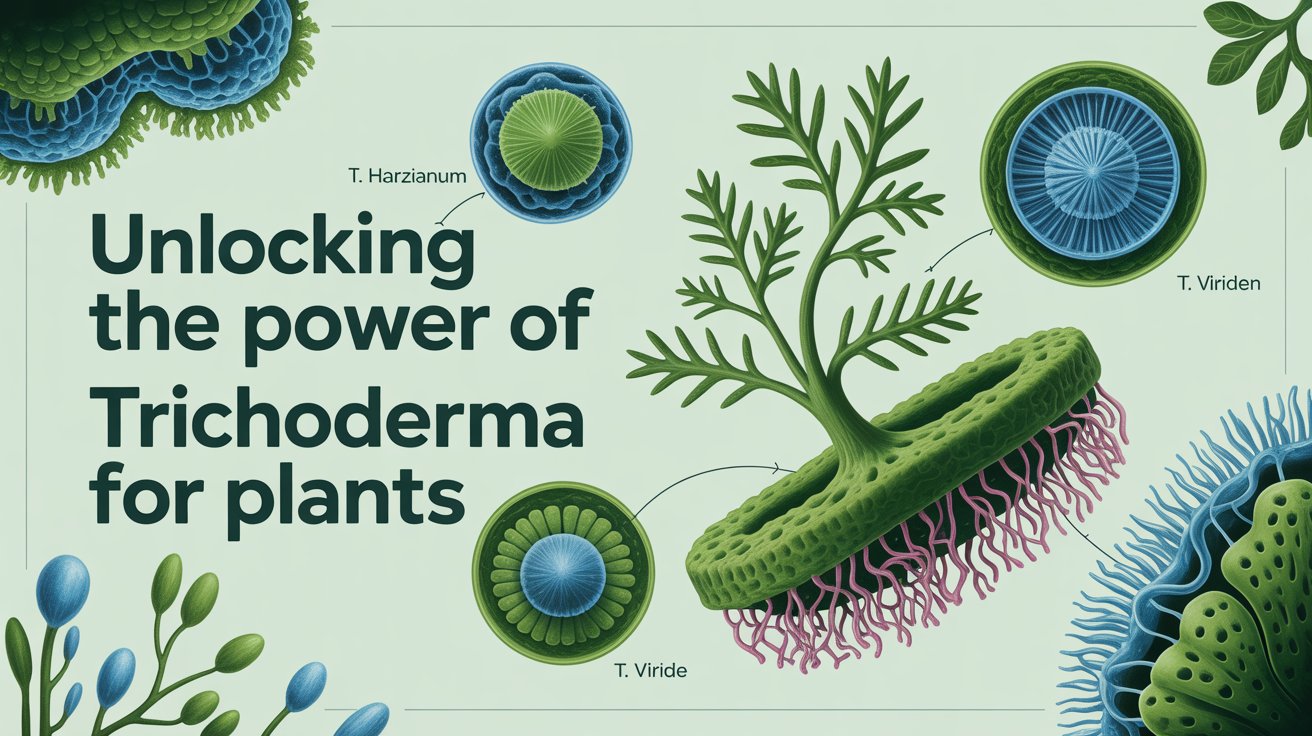
There are many different types of Trichoderma with different beneficial properties for different soils and crops. For example, Trichoderma Harzianum is one of the best types of Trichoderma for a bio-control agent for diseases that occur in soils, while Trichoderma Viride ,together, help to stimulate early plant growth and improve root structure of the crop. Other strains, such as Trichoderma Atroviride and Trichoderma Koningii, are notable, respectively, for increasing immunity in plants, and enhancing sustainable farming models. When farmers, or gardeners, find the best types of Trichoderma for their specific crops, and specific soil types, they can feel confident their crops can be protected but enabled to grow to the best of their ability.
Trichoderma for plants protects crops from fungi that may cause disease and supports overall soil ecosystem health. In conjunction with plants, trichoderma supports beneficial microbial activity to cycle nutrients and create an environment for plants to thrive together. Simply put, trichoderma is an easy, sustainable way to increase plant productivity in gardening/farming without harmful fertilizers and pesticides.
Introduction to Trichoderma and Its Role in Agriculture
Trichoderma is a naturally occurring fungus that has become a valuable resource for modern agriculture. There are many advantages of Trichoderma for plants, with the primary benefits including improved nutrient uptake, lower disease incidence, and improved soil health. Using Trichoderma is a more environmentally sustainable option than chemical fertilizers and pesticides, with the widespread adoption of Trichoderma by both farmers and gardeners alike.
The usefulness of Trichoderma within the agricultural discipline is broad. Trichoderma can enhance root growth when they are used as a component of an adjuvant, while also providing protection from disease pathogens resident in soils, making them particularly useful in terms of plant health and crop yield. Their use is adaptable to different types of crops including vegetables, fruits, cereals, and ornamental plants.
Some useful Trichoderma information is:
- Improves soil health and microbiota
- Increases plant growth and root growth
- Can decrease reliance on chemical pesticides
- Improves crops' resistance to environmental issues
What is Trichoderma? An Overview
Trichoderma is a non-pathogenic fungus species that occurs naturally in soil. This fungus has the ability to endophytically colonize plant root tissue and root zone soil which has been shown to improve plant uptake of nutrients, and provide protective disease resistance from several common phytopathogen infections. In general terminology, Trichoderma for plants is classified as a biological control agent, which makes it a significant component of sustainable agriculture practices.
There are many species of Trichoderma to choose from - each mitigating specific plant-related issues. Nevertheless, a table below illustrates many commonly used species and highlights important benefits from utilizing Trichoderma in either growing methods or soil amendments:

Key Points:
- Endophytically colonizes plant root systems naturally.
- Produces hydrolytic enzymes that inhibit harmful fungi.
- Act as growth stimulator and biocontrol agent with no chemical toxicity.
Why Trichoderma is Important for Plants
Trichoderma is essential in the health and productivity of your plants. Trichoderma protects against disease, but more importantly, it helps your plants absorb their nutrients, and promotes stronger growth—and quicker! With Trichoderma you will see stronger roots, increased flowering, and higher crop yields.
Benefits for Plants:
- Disease Suppression: Protection from soil-borne pathogens like Fusarium and Pythium.
- Growth Promotion: Induces roots and nutrient uptake.
- Drought and Salinity Resistant: Adds resistance to drought and salinity, and many other abiotic stresses.
- Soil fertility: Increases microbial activity and improves soil structure.
By using types of Trichoderma in your practice, you create healthier, stronger plants while decreasing the use of pesticides.
Understanding Trichoderma for Sustainable Farming
Trichoderma represents an important aspect of sustainable agriculture and is essential for supporting sustainable practices. Trichoderma is used in sustainable agriculture to decrease chemical pesticide reliance, promote soil health, and sustainably improve plant production and health. Numerous growers have reported positive impacts of the use of trichoderma, such as increased crop health, improved yield, and reduced production costs.
Ways Trichoderma can support Sustainable Agriculture:
1. Lessens dependence on chemicals: Trichoderma is a natural biocontrol.
2. Improved soil health: Trichoderma can enhance microbial diversity and nutrient cycling.
3. More productivity: Trichoderma enhances crop resilience and strength.
4. Supports organic farming. Trichoderma is fully compatible with organic farming practices.
Understanding the benefits of using trichoderma strains in soils or on crops can provide growers with the ability to achieve high productivity alongside environmental stewardship.
Different Types of Trichoderma and Their Benefits
Trichoderma is a genus of helpful fungi that is significant for plant health as well as overall soil condition. Being informed and aware of types of Trichoderma and the benefits of each will give farm-specific options of this genus to select which will best benefit their crop. Effective Trichoderma for plants promotes growth, protects against pathogens, and aids in nutrient uptake of soil nutrients; each of these benefits will depend on the crop and soil around it.
Key characteristics:
- Gives beneficial effects on soil microbial activity and soil fertility.
- Provides protection against soil-borne disease.
- Root development and overall plant growth.
- Can be a sustainable and environmentally friendly practice.
Trichoderma Harzianum – The Soil Enhancer
Trichoderma Harzianum is a commonly-used strain of Trichoderma for agricultural purposes. It is referred to as a soil health product, as it can benefit the structure and fertility of soils and plants from fungal pathogens.
The benefits of Trichoderma Harzianum include:
- Suppression of harmful soil-borne pathogens in soils like Fusarium and Pythium.
- Stronger root systems which enhance nutrient uptake, and plants that show much natural vigor and growth.

Gardeners/farmers can apply Trichoderma Harzianum to bring about more healthy plants with less incidence of disease. They will also improve the overall condition of their soil.
Trichoderma Viride – The Green Protector
Trichoderma Viride is known to many plant growers and producers as the "green protector" of plants. In this application, Trichoderma is used for the dual purpose of protecting crops from fungal pathogens and early-season growth promotion.
Effects of Trichoderma Viride:
- Help prevent fungal infections in seedlings and mature plants.
- Encourage seed germination and rooting.
- Enhance resistance to environmental stresses.

Using Trichoderma Viride ensures young plants are stronger, healthier, and better equipped to resist diseases throughout their growth cycle.
Trichoderma Atroviride & Koningii – Specialized Strains
Trichoderma Atroviride and Trichoderma Koningii are two unique strains that have particular advantages for sustainable agriculture. They have been shown to improve plant immunity and provide a horticultural crop that is very valuable.
Benefits of unique strains:
- Increase plant immunity and resistance to soil pathogens.
- Decrease the reliance on fungicide for sustainable agriculture.
- Increase in quality and yield of horticulture crops because of improved plant growth and vigor.

These specialized strains of Trichoderma are ideal for farmers and gardeners who want to optimize trichoderma for plants while maintaining sustainable and chemical-free practices.
How Trichoderma Works to Benefit Plants
Trichoderma is a beneficial fungus that is essential for improving plant health and soil fertility and providing natural protection for crops. A simple understanding of how trichoderma functions for plants will allow farmers and gardeners to take advantage of the best-rated approaches to achieve best results. While investigating naturally suppressing diseases, these fungi can enhance plant growth, nutrient uptake, and resistance in plants.
Major Benefits of Trichoderma for Plants:
- Suppressing soil-borne diseases naturally.
- Stimulating root growth, and increasing plant vigor.
- Improving nutrient availability and soil fertility.
- Promoting sustainable and environmental farming practices.
Mechanism of Trichoderma in Soil
Trichoderma operates directly in soil to maintain a healthier soil environment for plants. What does Trichoderma do in the soil? It has a natural biocontrol agent that competes with pathogenic fungi for nutrients and space. It will also secrete enzymes to decompose organic matter, to release nutrients for optimal plant growth.

By acting in these ways, Trichoderma assists in maintaining a balanced soil ecosystem, allowing plants to thrive.
Interaction with Plant Roots
Trichoderma forms a symbiotic association with plant roots that promotes enhanced plant health and survivability. What role does Trichoderma have at the plant root interface? Trichoderma will colonize the root surface by acting as a protective organism from pathogenic fungi and stimulate longer root growth in plants. By colonizing the roots, Trichoderma also leads to greater overall root density and root surface area, which leads to better uptake of nutrients and water.
Benefits of Root Interactions:
- Protects roots from root borne pathogens in the soil
- Activates plant defenses without excessive work
- Produces enhanced vigor in the roots
- Improved resistance to environmental stresses and plant diseases
When Trichoderma is able to produce enhanced root growth in the plant, the plant will be more resilient to uptake nutrients and more adaptive to adverse environmental conditions while also staying healthy.
Enhancing Nutrient Uptake with Trichoderma
One of the major benefits of trichoderma for plants is improved nutrient uptake. Trichoderma develops enzymes that break nutrients in the soil down to plant usable forms. This allows for nutrients, such as nitrogen, phosphorus, and potassium, to be taken up by the plant in a more efficient and effective way leading to increased growth and yield.

By utilizing the right classifications of trichoderma, growers can improve nutrient uptake, improve plant health, and rely less upon chemical fertilizers. The cumulative effect is healthier and stronger plants that thrive.
How to Apply Trichoderma for Plants
Using Trichoderma on plants appropriately maximizes benefits for growth, nutrient absorption, plant immune response, and soil health. Trichoderma is a broad-spectrum fungus meaning there are an array of types (species) of Trichoderma to apply differently in accordance to crop type and growth phase. An excellent application of Trichoderma allows for colonization of the soil and roots so nutrient absorption, root vitality and ultimately plant vigor is improved.
Main points:
- Trichoderma helps improve root colonization and absorption of nutrients.
- Trichoderma is a natural soil-borne disease suppressor.
- Trichoderma helps assist plant growth in home gardens and large farms.
- Trichoderma reduces the use of chemical fertilizers and fungicides.
Application in Soil and Seed Treatment
Trichoderma can be applied through soil application, or as seed treatment to protect plants from pathogens and to encourage their early growth. What does Trichoderma do when applied this way? It supports seedlings, it suppresses negative fungi, it enhances soil fertility.

The correct application will help to ensure the types of Trichoderma establish in the root zone, and in soil, and provide the plant an excellent head-start.
Best Practices for Using Trichoderma
In order to promote enhanced Trichoderma performance on plants, the best management practices utilized to apply Trichoderma should be considered.
Best Practices:
- Use fresh inoculants: The Trichoderma spores must be active to achieve better colonization.
- Application should occur under the right soil conditions: Trichoderma should be applied under conditions where soils are moist but not saturated.
- Do not over-apply: Higher application of Trichoderma does not enhance response. An over-application of Trichoderma may also upset soil balance.
- Store correctly: When inoculant is stored dry and cool, with indirect sunlight, it remains viable.
- Check for crop response: Check plants for growth and health and soil for health and response to eventually determine application rates.
If Trichoderma is applied under these expectations, it will be beneficial in the aspects of plant growth promotion and disease suppression.
Using Trichoderma with Other Agricultural Inputs
Trichoderma has good compatibility with select fertilization practices, compost, and biological inputs, though adverse interactions can occur if not careful with its utilization. What are the primary usage benefits of Trichoderma when used in conjunction with other inputs? Trichoderma can increase nutrient uptake, increase plant resilience and obtain further microbially active benefits in soils.

Using Trichoderma with other agricultural products will ensure agricultural health benefits and optimal agricultural productivity and sustainability.
Key Benefits of Using Trichoderma for Plants
Trichoderma is a beneficial fungus that has many advantages relating to plant health, growth, and sustainability. If growers understand the varying species of trichoderma and how they contribute, they will be able to take natural steps to optimize production in their plants. Trichoderma for plants contribute some resistance to disease, enhances high levels of growth, and improves a more sustainable form of agriculture.
Generally, Trichoderma acts beneficially for plants in four simple ways:
- Contributes disease resistance to crops naturally.
- Promotes root and shoots growth.
- Reduces the use of pesticides.
- Promotes sustainable or organic growing systems.
Disease Resistance
A significant benefit of trichoderma for plants is the protection it offers against soil-borne and foliar disease. What can Trichoderma provide for disease management? It effectively suppresses pathogens such as Fusarium, Pythium, and Rhizoctonia. Utilizing direct competition for nutrients and producing hydrolytic enzymes which inhibit pathogen activity.

Using the right types of Trichoderma placed on and around plants, a crop will have natural defenses against pathogens and the need to utilize crop fungicides will be limited.
Growth Promotion
Trichoderma also acts as a natural plant growth promoter. What are the benefits of using Trichoderma to promote plant growth? Trichoderma hastens root growth and increases nutrient uptake, and Trichoderma also increases the levels of growth-promoting hormones such as auxins.
Benefits of promoting growth:
- Stronger root systems to access water and nutrients more effectively.
- Quicker germination and establishment of the seedling.
- More robust plants, increased flowering, and fruiting.

Adding trichoderma to your plants will promote healthier, stronger plants that can withstand environmental stress.
Eco-Friendly Pest Management
One of the greatest advantages of trichoderma is its role in ecological, sustainable pest management. "How exactly does Trichoderma contribute to pest management? Trichoderma naturally suppresses pests and pathogens and reduces the need for chemical pesticides where you can help conserve your plants and the environment.
Summary of the advantages of using Trichoderma:
- Trichoderma decreases usage of chemical fungicides and pesticides to manage pest problems
- It protects your beneficial soil microbes
- Overall, it helps support a healthy population balance and diversity of soil microbes

By using types of Trichoderma in pest management practices, farmers and gardeners can provide healthier plants while supporting sustainable practices and being environmentally responsible.
FAQ
Q1 What is Trichoderma?
Trichoderma is a beneficial fungus in agriculture used to help plants and improve soil health.
Q2 What is Trichoderma used for?
Trichoderma for plants can eliminate diseases, promote growth, and improve nutrient uptake.
Q3 Which types of Trichoderma are best for plants?
The common species of Trichoderma considered to control diseases and improve plant growth are Harzianum, Viride, Atroviride, and Koningii.
Q4 Can Trichoderma improve crop yield?
YES, Trichoderma can improve crop yield through improved root development and nutrient uptake increasing productivity.
Q5 Is Trichoderma safe to use with fertilizers?
YES, Trichoderma for plants is safe to apply in the presence of most organic or chemical fertilizers if you apply as recommended.
Conclusion: Harness the Power of Trichoderma for Plants
One highly effective practice to improve plant health, increase plant productivity, and ensure viable soil health sustainability practices is the incorporation of Trichoderma into your garden or farming practice. Trichoderma works naturally with plants to guard against soilborne pathogens, improves nutrient absorption, and promotes both root and shoot growth, making plants more robust and stress tolerant. You can also select the right type of Trichoderma (for example, Harzianum, Viride, Atroviride, or Koningii) for your plants based on your particular strains needs, whether you are parsing disease, promoting growth, or managing pests in an environmental sustainable practice.
Use of trichoderma can create even a better job of maintaining and establishing plant growth, and environmental sustainability, by reducing or remediating reliance on chemical fertilizers and pesticides. Its reliance naturally acclimates soil microbiomes, it builds soil vigor, and achieves biological and biome resilience to environmental stresses through the disruptions of monoculture. For farmers, gardeners, and horticulturists understanding Trichoderma and their application is paramount in the improvement of human health to bio-efficient and bio-effective food production through sustainable practices in agriculture and horticulture.
Employing the application agriculture or horticulture of trichoderma for plants in natural, effective, and environmentally sustainable, and can enhance these trajectories development.