

Humic Acid Effect on Plant Growth: Unlocking Its Full Potential
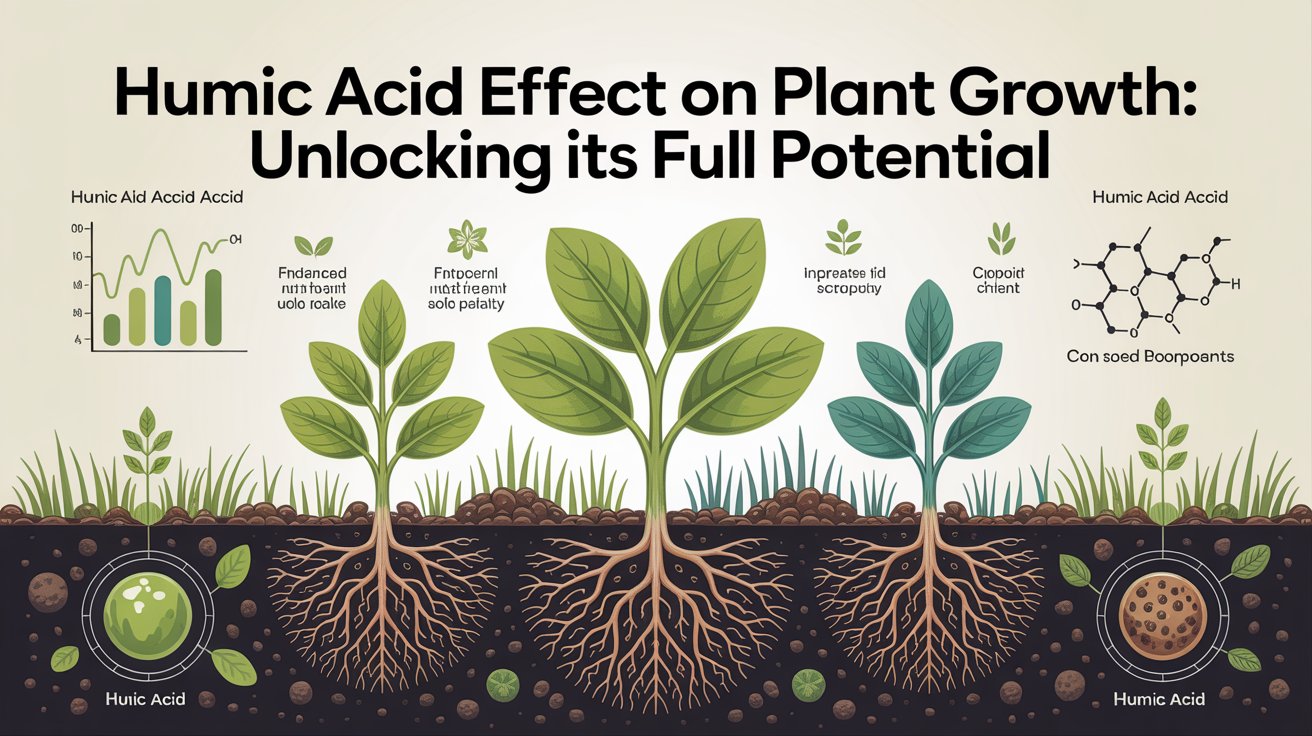
Humic acid is considered a unique growth stimulant for plants, which mothers nature uses for organic and for conventional farming. Its natural composition enhances soil because of elevation of soil microbes which enrich the soil structure. The humic acid effect on plant growth also helps in having healthier root growth which leads to strong and resilient plants. These roots have optimal growth and absorption of organic nutrients improve the plant’s growth and development vigorously.
Moreover, humic acid for plants works best to enhance the root absorption and helps in mineral nutrient nutrients which are very critical to plants for optimal performance. This humic acid nutrient is a critical stimulant for crops in most barren soil. In addition to benefiting plants, in the absorption of nutrients, such plants synthesize more chlorophyll and have better resistance to environmental stress which helps with diseases and drought.
Understanding the Power of Humic Acid for Plant Growth
Obtained from the decomposition of plant and animal matter, humic acid is commonly located in soils and is essential in maintaining soil health and increasing productivity in agriculture. One of the best ways to describe humic acid is that it contains a very important part of the organic matter in soil, and it enhances soil fertility, nutrient transportation in the soil as well as improving the general health of the plant. Its interaction with soil minerals contributes in providing a suitable environment for well developed root systems, optimal nutrient uptake, and resistance to various stress factors.
What is Humic Acid and Why It’s Vital for Plants?
As with many organic materials, the breakdown of animal and plant matter through the years leads to the formation of humic acid, a complex organic mixture. It contains carbon, oxygen, and nitrogen, humic acid does enrich the soil. Moreover, humic acid for plants considerably enables to restructure the soil, boosting its retention of water and its aeration. Moreover, humic acid enriches the soil by providing stimulus to its microbial life, further increasing the nutrient availability for plants. Absence of humic acid in the soil leads to plants and crops which have stunted growth and are damaged.
How Humic Acid Affects Plant Growth and Vitality
Plants require humic acid for growth because it serves as a stimulant and a nutrient sponge. It also aids in the chelation of key nutrients such as nitrogen, phosphorus, and potassium. Humic acid for plants helps in the development of a stronger root system, which allows for better water and nutrient retrieval. Humic acid also acts as a growth stimulant for helpful soil microbes, which in turn aids in the health and resilience of plants. In effect, the plants undergo rapid growth, produce more chlorophyll, and have a stronger immunity to environmental stressors like droughts and pests.
The Benefits of Humic Acid for Plants

The Science Behind Humic Acid and Its Role in Soil Health
Humic acid is a vital compound to the soil and farming as it erodes the soil profile, its structure, its productivity, and enhances the soil microbes as well. It is the organic in nature compound which is derived out of plants and animals death and goes through a long stage of evolution. When humic acid is used in the soil, it is able to change the soil in a deeper sense and the compounds are wisely used in organic agriculture.
Humic Acid: A Key to Improving Soil Structure and Fertility
Humic acid is highly significant in consolidating the plant structure, and thus the humic compound is of great use to the farmers. The humic compound aids in the creation of bigger aggregates of the soil which increases the particles as well as reduces the compactness of the soil. With the reduced compactness, the soil is able to have more roots and air needed for aeration and indulges the plant to grow. It increases the respiration and movement of the plant.
- Improves Soil Aggregation: The exhaust is also aided through actively enclosing soil materials and improving the soil. Humic acid works as a farmers friend as the h2o lands aids in improving the gas exchange through improved activity.
- Boosts Soil Fertility: It aids in the retention and release of important nutrients such as nitrogen, phosphorus, and potassium, ensuring that plants receive a consistent supply of vital nutrients.
- Prevents Soil Erosion: Improving overall soil structure aids in slowing down soil erosion, which helps with soil health in the long-run.
Humic acids not only improve soil structure, but also improve soil fertility by making available the essential nutrients with which the crops can grow. It helps in increasing the productivity of the soil and maintaining the health of the crops.
The Role of Humic Acid in Microbial Activity and Soil Life
Humic acid has many benefits, but one of the most important is the ability to promote soil health. This is achieved when humic acid serves as a food source for beneficial soil microbes which helps in the decomposition of the organic matter, nitrogen fixations and helps in making the nutrients available.

Soil life is essential for sustaining the plants and helps in cycling different nutrients. By encouraging humic acid, he ensures the plants receive a steady supply of the nutrients and other growth sustaining compounds.
How Humic Acid Increases Nutrient Availability for Plants
Humic acid is very helpful in the availability of nutrients for plants. Humic tends to enhance the essential nutrients made available, especially for a plant's root. This is very critical in the case of soils, where organic matter is limited or in compacted soils, which are hard for roots to penetrate.
Humic aids in the binding of important nutrients, which helps in the decrease of extreme ph levels of the soil.
Humic acid enhances plant metabolism, which helps in the breakdown of primary, secondary, and bioactive metabolites that aids in the development and physiological processes of the crop, eventually enhancing the crop productivity.
The Key Benefits of Using humic acid effect on plant growth
As compared to conventional farming, its organic counterpart faces greater challenges with HR. Generally, farmers face difficulties when trying to eradicate roots of the downy brome in winter crops. While many farmers overuse fertilizers and do not pay attention to effects of crop rotation.
How Humic Acid Increases Crop Yield
Application of humic acid fertilizers results in positive stimulation on crop productivity. Also, humic acid was proven to stimulate weight gains of peas and beans while profits of peanuts were said to have increased even with minimal application.
 .
.
By improving nutrient absorption as well as enhancing root health, humic acid optimizes crop productivity and increases yield.
Enhancing Soil Fertility with Humic Acid
Humic acid is important to enhance soil fertility for successful long term agriculture. Humic acid increases the soil’s nutrient-holding and nutrient-releasing capabilities and thus contributes to increased soil fertility.
- Improved Soil Structure: Humic acid also improves the soil’s aeration and water holding capacity which increases soil fertility, because it helps bind soil particles together.
- Increased Cation Exchange Capacity (CEC): It increases the soil’s ability to store and retain important nutrients, prevents the leaching of those nutrients and continuously avail important nutrients to the plants.
- Enrichment of Organic Matter: Use of humic acid increases the amount of organic matter in the soil which improves microbial activities in the soil and nutrients cycling.
Soil becomes more fertile and productive, thus providing healthy crops as well as sustainable farming practices.
Stress Resistance and Growth Boost with Humic Acid
Humic acid aids not only in improving plant growth and development, it also helps in overcoming stress caused by environmental conditions that are not normal such as drought, extreme weather conditions, and poor soil conditions. Regardless of the environment, weather, or soil conditions, humic acid helps plants to become more resilient.
- Increase Drought Resistance: Humic acid aids in the retention of moisture not only in the roots, but in the leaves and other tissues as well. This will aid in withstanding any periods of drought.
- Improved Disease Resistance: Humic acid fortifies root and overall plant health, enhancing the health of humic acid increases the plant immune system and strengthens the plant to become more resistant to diseases including pestrelated issues. Humic Acid also helps the plant cope with extreme environmental conditions such as high temperature, high soil salinity, high soil salinity, or soil compaction.
Under stress humic acid enables plants to thrive and grow, and in turn enables the plant with the stress resistant withstanding, and improving it. This enables the crops to continuously grow and provide the farmers with higher productivity.
How to Effectively Use Humic Acid for Maximum Results
The effective use of humic acid greatly improves soil quality, plant growth, and crop yield. However, proper application is needed to achieve the best results. In this article, we examine how to best apply humic acid, dosage and timing, and how to combine humic acid with other fertilizers.
Application Methods for Humic Acid in Agriculture
For each crop type and soil type, there is a specific method to apply humic acid based on the needs of the soil. Below are a few of the application methods:

Humic Acid impacts growth and soil health. With the correct application method, plants are guaranteed to benefit to their fullest.
Dosage and Timing for Humic Acid Application
Plant growth requires the application of humic acid at the right dosage and time. With the correct humic acid application, the following guidelines allow you to effectively apply humic acid.

Proper timing maximizes the nutrient uptake and growth of the plant, thus benefiting from humic acid, when applied during critical growth phases.
How to Combine Humic Acid with Other Fertilizers for Optimal Growth
To maximize plant growth and crop yield, humic acid can be combined with other fertilizers. This is how you do it:
- Humic acid is a great addition to an organic fertilizer, such as compost and manure. It simplifies the breakdown of organic matter, thus enabling the plants to utilize the nutrients efficiently. The compost helps keep humic acid.
- Along with the use of chemical fertilizers, humic acid when used helps to strenhgthen the uptake efficiency. Alongside synthetic fertilizers, humic acid can lower nutrient leaching. Humic acid helps in nutrient binding to soil particles, enabling easy access to critical nutrients for the plants throughout.
- Using Balanced Fertilizer: Everything needs balance. When using humic acid it is vital to remember that it cannot replace fertilizers. Rather, humic acid is a supplementary product
- that increases the effectiveness of the fertilizers by improving soil structure and nutrient accessibility.
Using the correct fertilizers along with humic acid enables you to enhance the growth of the plants and the structure of the soil, which leads to a better yield of crops.
FAQs
Q1. What is humic acid, and how does it benefit plants?
Humic acid is an organic compound found in soil, compost, and natural materials. It improves soil structure, enhances nutrient uptake, promotes root development, and boosts plant health by stimulating microbial activity.
Q2. How does humic acid affect plant growth?
Humic acid enhances plant growth by improving nutrient availability, increasing water retention in soil, and stimulating root growth. It also helps plants resist stress and environmental challenges, leading to healthier, more robust crops.
Q3. How do I apply humic acid to my plants?
Humic acid can be applied as a soil drench, foliar spray, or seed treatment. For soil, mix it with water and apply directly to the base of plants. For foliar spray, dilute humic acid in water and spray on leaves. It can also be used to treat seeds before planting.
Q4. Can I combine humic acid with other fertilizers?
Yes, humic acid can be used in combination with both organic and synthetic fertilizers. It enhances the efficiency of fertilizers by improving nutrient uptake and reducing nutrient loss from the soil, making fertilizers more effective.
Q5. What is the ideal dosage of humic acid for plants?
The ideal dosage varies based on the type of plant and application method. Generally, use 2-4 tablespoons of liquid humic acid per gallon of water for soil drenching, and about 1 tablespoon per gallon for foliar applications. Always follow product-specific guidelines for best results.
Conclusion: Unlock the Full Potential of Your Plants with Humic Acid Today!
Humic acid is a powerful, natural tool that can dramatically improve the health and growth of your plants. By enhancing soil structure, boosting nutrient availability, and stimulating root development, humic acid helps create a thriving environment for your crops. Whether you are a small-scale gardener or managing large agricultural operations, integrating humic acid into your soil care routine can lead to healthier plants, higher yields, and increased resilience to environmental stress.
Don't miss out on the numerous benefits humic acid can provide. By choosing the right application methods, dosage, and quality products, you can maximize the potential of your plants. Start using humic acid today and experience the transformative effects it has on your garden or farm. Embrace the power of humic acid for a more sustainable and prosperous future in agriculture!