

NPK for Potato: Unlock the Full Potential of Your Potato Crop
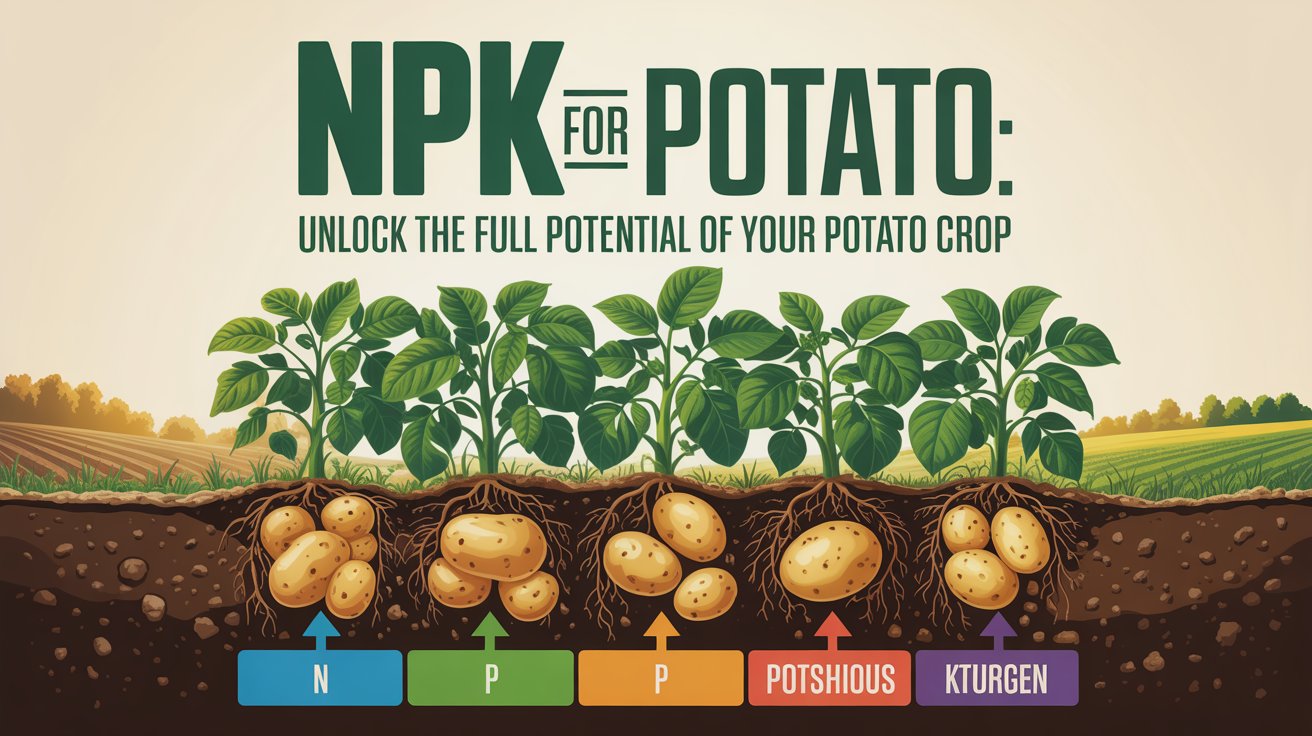
Knowing the right nutrition your potato crop requires is crucial for achieving good tuber yield for NPK (Nitrogen, Phosphorus, and Potassium) fertilizers, as they supply the nutrition required for healthy and well developed potato plants. Balanced fertilizers containing NPK, will aid all growth stages of potatoes from planting to harvest.
NPK potato fertilizer is aimed to supply the specified ratio of elements needed. Potatoes as they grow need nitrogen for green leaves, phosphorus for the roots, and potassium for the overall plant health. Improved overall yield and quality of tubers is achieved by using fertilizers tailored for potato crops.
To achieve a good yield, while meeting your previous quality standards of your potato tubers, the strategy involving correct NPK fertilizer at given growth stages of potato plants and soil structure should be taken into consideration to enable successful growth of healthy potatoes.
In farming, be it personal or commercial, incorporating NPK for potatoes puts you a step closer to achieving the optimum yield while growing potatoes.
Introduction: Why NPK Fertilizer is Essential for Potato Growth
Like any other cultivated crop, potatoes also require a balanced supply of essential nutrients for their optimal growth and yield. The three primary nutrients are Nitrogen (N), Phosphorus (P), and Potassium (K). Each of these essentials are crucial for balanced growth of potatoes. NPK fertilizers for potatoes supply these essentials in the appropriate ratios. Therefore, the benefits of NPK potato fertilizer extends not only to the proper nurturing of NPK potatoes but also to the quality of the roots and tubers yielded. The benefits of proper NPK fertilization for potatoes will show positively on the health and productivity of the crop along with the quality of potatoes harvested.
NPK Fertilizer for Potatoes: Boosting Healthy Growth
Nitrogen (N): Nitrogen is pivotal for healthy potato crop holding. The nitrogenous fertilizers can also help in the sustained curl of leaves, stems and shoots, all of which greatly aid in the processes of photosynthesis, For tuberous crops, an increased rate of photosynthesis will help in the increased generation of energy and metabolite, which in turn will help in better growth and production of tubers.
Why it's important:
- Provides energy for tuber growth energy production.
- Encourages plant health and vigor.
- Supports the overall plant health.
Phosphorus (P): Phosphorus fertilizer is vital for the appropriate development of roots which are essential for the proper growth of potato. Healthy roots are important for the plant to absorb adequate amounts of water and nutrients, Quick growth of the plant depends on efficient nutrients. Supporting flowering and tuber development also leads to an overall impact on the size and number of potatoes.
Why it’s important:
- Helps to overcome poor soil structure by sustaining soil aggregates.
- Aids in sustaining soil structure by increasing organic matter.
- Improves soil by enhancing biological activity.
Potassium is important in the improvement of the quality of the potato since it enhances the guyberus size, taste, and texture. K also improves the potato plants ability to withstand environmental stress and drought.
Understanding the Importance of NPK for Potato Yield
High-Quality Tubers: Well-pruned NPK fertilizer helps the potatoes grow large nutrient-rich tubers. Balance NPK for potatoes not only increases tubers but also the uniformity within the crop.
Why it's important:
- Promotes larger and more even tubers.
- Gives a better yield for every single potato plant.
- Improves the potatoes in terms of their saleable qualities.
Balanced Nutrient Supply: Balanced npk fertilizers are sufficient in number from within selected types so that the plant does not become deficient of any one nutrient. Balanced npk fertilizer also helps in relation to the npk guarantee.
Why it's important:
- Helps maintain ongoing and smooth growth.
- Avoids gaps of nutrient needs that result in spoiled plants.
- Improves the level of predictability of the crop volume and its value.
How NPK Fertilizer Impacts Potato Health and Development
Increased Resistance to Disease: The K component in npk fertilizer for potatoes boosts the defenses of the plant against disease which is blight and fungus disease. This is important in

The Role of Nitrogen (N) in Potato Development
Nitrogen (N) is one of the most important macronutrients in potatoes. Just like in all plants, nitrogen is the main player in the formation of chlorophyll, the green pigment in plants. As a result, nitrogen is at the heart of potatoes in relation to their growth and development, particularly with respect to the robust leaf and shoot growth. NPK for fertilization of the potato offers a balanced supply of nitrogen which guarantees healthy robust potato plants that can yield higher.
NPK Potato Fertilizer: Nitrogen's Impact on Potato Growth
Nitrogen is important for chlorophyll and is critical to a plant’s ability to perform photosynthesis. Good healthy photosynthesis means the plant is able to generate enough energy and nutrients for growth, which importantly supports the ability to high yield.
Importance
- Vital for energy production
- Directly impacting the plant’s health and growing
- Powerful development of leaves and stems
Vegetative Growth Stimulated: Vegetative growth is characterized by the growth of the plant parts which is not concerned with reproduction.
Importance
- Healthier green and robust foliage.
- Efficient plant sunlight intake for photosynthesis.
Shall we discuss how potato cultivation can be aided through certain agricultural methods? I believe tackling such a question can further contribute to the academic field of agricultural methods and plant care.
How Nitrogen Promotes Leaf Growth in Potatoes
Leaf growth is vital for potatoes because it allows the plant to maximize its photosynthesis capacity. As nitrogen is a key component of chlorophyll, its adequate supply directly contributes to greener, healthier leaves. NPK potato fertilizer should be used in the right ratio to ensure a steady nitrogen supply, especially during the early growth stages, which is when foliage development is most critical.

The Role of Nitrogen in Improving Potato Tuber Formation
Though nitrogen is best known for promoting foliage growth, it indirectly helps in the production of potato tubers. During the early growth stages, nitrogen helps the potato plant’s canopy to develop. After the plant completes its vegetative growth phase, nitrogen assists in the shift to tuber production by providing energy for the expansion and maturation of the tubers.
Why it’s important:
- Promotes the minimum essential vegetative growth necessary for tuber development.
- Helps indirectly in the growth of tubers as the plant moves from the vegetative to the reproductive growth phase.
- Increases the total size and number of potato tubers produced.
With proper planning of the npk potato fertilizer schedule, nitrogen can be supplied during the proper times to promote leaves and later, during the critical growth phases, allow tubers to develop. Considerable care to nitrogen balance is required to get the maximum possible from the potato crop.
Potassium (K): The Key to Disease Resistance and Quality Potatoes
Potassium (K) is the most essential nutrient in the NPK fertilizer and it is also important for the improvement of health and quality of potato plants. Potassium deficiency in the potato plants impacts the physiological development of the plant leading to weak and low yeilding spuds because of the lack of disease resistance, low quality and low environmental stress. In npk potato fertilizer, potassium is also important for plant growth in npk potato fertilizer because it encourages better and stronger and more environmental stress resistant potatoes.
NPK Potato Fertilizer: The Power of Potassium in Disease Resistance
Boosts Disease Resistance: Potassium enhances the plant's ability to fight off diseases by improving its natural immune system. When potatoes are adequately supplied with potassium, they become more resistant to common diseases such as late blight, early blight, and fungal infections.
Why it's important:
- Strengthens the plant's cell walls, making them less vulnerable to pathogens.
- Helps plants better withstand environmental stressors like droughts or heavy rain.
- Reduces the occurrence of tuber diseases that can affect yield and quality.
Improves Stress Tolerance: Potassium plays a vital role in enhancing the potato plant's ability to withstand stress, such as extreme weather conditions or pest attacks. This improves the plant's overall resilience, resulting in healthier, more productive crops.
How Potassium Enhances Potato Quality and Flavor
Potassium is essential for improving the flavor and overall quality of potatoes. It influences the plant's ability to produce sugars, carbohydrates, and other substances that contribute to the taste, texture, and size of the potato. In npk for potatoes, potassium helps ensure that the potatoes have the desired qualities for market success, including good shape, texture, and taste.
Why potassium matters for quality:
- Encourages the synthesis of sugars and starches that contribute to flavor.
- Enhances tuber size and shape, leading to a more marketable product.
- Contributes to the even texture and color of the potato, improving its visual appeal.
Maximizing Potato Health with Potassium Fertilizers
When applied correctly, npk potato fertilizer with potassium can significantly boost the overall health of the plant, improving both its resistance to diseases and the quality of its yield. Potassium ensures that the plant has the energy it needs to stay strong and fight off harmful pathogens, all while promoting better fruiting and tuber formation.
Choosing the Best NPK Ratio for Potatoes
Getting the proper NPK ratio for potatoes is critical to achieving the desired yield and for the healthy growth of the tubers. Potatoes thrive best with a balanced NPK supply of nitrogen (N), phosphorus (P), and potassium (K). While an npk fertilizer for potatoes is best applied during the different growth stages of the crop, the specific requirements will also depend on the condition of the soil. Balanced fertilization is vital for enabling potatoes to mature during critical growth stages.
The Ideal NPK Potato Fertilizer for Maximizing Yield

Best NPK Ratios for Different Potato Growth Stages
Every potato cultivation strives to achieve optimum yields, and throughout a crop production cycle, it is necessary to visit a variety of growth stages, each of which requires specific attention and suitable nutrition. Moreover, each of these stages should be of utmost importance in order to achieve better productivity. In addition, during the growth of the plant from its initial germination to its flowering stage and its subsequent flowering to the final tuber growth, the required NPK nutrition should be regulated.

Tailoring Your NPK Fertilizer for Maximum Potato Production
Maximizing production of potatoes requires customization of npk and fertilizer application based on the specific needs of the soil and the growth stages of the plant. Regular soil tests can help in ascertaining which nutrients are in short supply, and tailoring the npk fertilizer as required.
- Soil Test for NPK: soil tests are equally as important for any business, and if you plan nutritionally advance for your potatoes, then knowing precisely where the nutrients lie is pivotal.
- Adjusting NPK for Soil Conditions: It is preferable that soils rich in nitrogen are complemented with npk fertilizer with higher levels of phosphorus and potassium. On the converse, soils that are phosphorus-deficient may require npk higher in the ratio of phosphorus so that proper root and tuber development is encouraged.
How to Apply NPK Fertilizer for Potatoes Effectively
effective application of NPK and potatoes as unified targets. became effective because potatoes are lead affirmation of nitrogen and potassium. From the humble seed potatoes sprouts and transforms into true tuber is the pivotal moment. Fertilizer application is pivotal for the desired and long awaited realization of health of the plantation.
NPK Fertilizer Application Techniques for Potatoes
Stringency in application methods for npk fertilizer alters the rate at which potatoes utilize the fertilizer. NPK application methods for potatoes are Broadcasting, Fertigation, and Banding which are more tailored to the growth stage and requirements of your soil. Each method works in different circumstances and has its advantages.

When and How to Apply NPK Potato Fertilizer for Best Results
Success of NPK fertilizer application hinges on timing. With the proper NPK fertilizer application timing for potatoes, all nutrient requirements will be met. Consider these steps for NPK fertilizer application for potatoes.
- Before Planting: Use a balanced NPK fertilizer 10-20-10 before planting the seed potatoes. This ensures that potatoes will have all the essential nutrients as they start to grow.
- At Planting:Fertilizer application can be done using the banding method which ensures that the fertilizer is placed right next to the seed potatoes. This will help ensure all the nutrients are accessible as soon as the roots start to grow.
- During Growing Stage: Moderately apply 10-20-10 NPK fertilizer when the plants are most active, usually 4 to 6 weeks after planting. This will help ensure healthy foliage and active root growth.
- Pre-Tubering Stage: Apply NPK 8-24-24 or 12-24-12 for plants that are about to form tubers and will help improve the development and quality of the tubers.
Frequency of NPK Fertilizer Applications for Healthy Potatoes
Knowing when to apply npk fertilizers is crucial in ensuring that potato plants are healthy. Applying npk fertilizers too frequently may result in nutrient burn while too little may stunt yield. Npk fertilizers are to be applied as follows to achieve optimal yield and height for potatoes:
- First Application: Npk potato fertilizers should be applied while planting or immediately after. The initial application should be made to ensure potatoes are able to capitalize on the nutrients that are offered.
- Second Application: Balanced npk fertilizers should be applied after 4-6 weeks of planting in order to ensure that the vegetative growth is supported as well as root growth.
- Third Application: Applying high potassium npk fertilizers 8-24-24 during tuber formation or before will help improve quality and size of the potatoes.
- Additional Applications: Throughout the growing season, small doses of npk potato fertilizer may be applied if the soil test and symptoms of the plants like yellowing leaves and slow growth indicate that fertilizers are required.
Troubleshooting Common NPK Fertilizer Issues in Potato Farming
Observing the correct practices in the application of npk potato fertilizers is crucial in ensuring healthy potato crop development, though excess application, in itself, or an imbalance of nutrition can be detrimental to the crop. Resolving the most prevalent issues with fertilization definitely goes in ensuring that the correct nutrients at the correct amounts during the critical crop development stages, are made available. Here are some strategies to identify and develop solutions for the problems associated with npk fertilization in potato farming.
Over-fertilization Risks with NPK Fertilizer for Potatoes
Over-fertilization exceeds the labeled rate of npk potato fertilizer leading to plant injury, diminished quality of the potatoes, and environmental problems, nutrient burn is also possible. Combined with not training, limiting application or adhering to labeled rates for npk potato fertilizers can also lead to over fertilization and nutrient excess.
Over-fertilization Symptoms

Applying npk potato fertilizers is pivotal in the growing stages of potatoes and a correct protocol is to be implemented. Adhering with the stated best practices will surely result in a hearty crop of potatoes.
Correcting Nutrient Imbalances in Potato Crops
Nutrient imbalances can occur when potatoes are not receiving the correct ratios of npk fertilizer, leading to poor growth and yield. The three primary macronutrients—nitrogen, phosphorus, and potassium—must be balanced to avoid deficiencies or excesses.
Symptoms of Nutrient Imbalances:
- Excess Nitrogen: Excessive foliage growth with minimal tuber development.
- Excess Phosphorus: Leaf burn or damage at the edges.
- Excess Potassium: Poor root development and yellowing of older leaves.
How to Correct Nutrient Imbalances:
- Adjust NPK Ratio: Use npk potato fertilizer with a balanced nitrogen, phosphorus, and potassium ratio based on the soil's needs.
- Apply Correct Fertilizer: If there’s a phosphorus deficiency, switch to a fertilizer with higher phosphorus content. For nitrogen or potassium imbalances, adjust accordingly.
How to Identify and Fix NPK Deficiencies in Potatoes
Deficiencies in npk fertilizer can prevent potatoes from reaching their full growth potential. Here’s how to identify and fix the most common nutrient deficiencies in potatoes.
Nitrogen Deficiency:
- Symptoms: Yellowing of older leaves and stunted growth.
- Solution: Apply an npk fertilizer with a higher nitrogen content (e.g., 20-10-10) to support healthy leaf growth.
Phosphorus Deficiency:
- Symptoms: Stunted growth, dark green leaves with purple edges.
- Solution: Apply a npk fertilizer with more phosphorus (e.g., 10-20-10), which helps with root development and tuber growth.
Potassium Deficiency:
- Symptoms: Yellowing and browning of older leaves, weak stems, and poor disease resistance.
- Solution: Use a npk potato fertilizer with higher potassium (e.g., 10-20-30) to promote disease resistance, improve tuber size, and strengthen the overall plant.
FAQ :
Q1. What is the best NPK fertilizer for potatoes
The best NPK fertilizer for potatoes typically has a balanced ratio like 10-20-10 or 12-24-12, providing a good mix of nitrogen for leaf growth, phosphorus for root and tuber development, and potassium for disease resistance.
Q2. How often should I apply NPK fertilizer to my potatoes?
For optimal potato growth, apply NPK fertilizer every 3-4 weeks during the growing season. Adjust the frequency based on soil health and growth stage, ensuring not to over-fertilize.
Q3. Can I use NPK fertilizer for all types of potatoes?
Yes, NPK fertilizer can be used for all types of potatoes. Just ensure to select an appropriate ratio for your soil and growth stage. Early growth may require more nitrogen, while tuber formation needs more phosphorus and potassium.
Q4. What is the role of potassium in NPK fertilizer for potatoes?
Potassium in NPK fertilizer is crucial for improving potato quality, disease resistance, and overall plant health. It helps strengthen plant cell walls and promotes better tuber formation.
Q5. Is it safe to use NPK fertilizer for potatoes in organic farming?
While NPK fertilizer is not inherently organic, you can opt for organic NPK fertilizers that comply with organic farming standards. These fertilizers provide the same essential nutrients without synthetic chemicals.
Conclusion: Maximize Your Harvest with the Right NPK Fertilizer for Potatoes
It is important to utilize specific NPK fertilizers for potatoes to ensure high yield and healthy crops. Knowing what to expect at each growth stage will help allocate nutrients correctly. Proper nitrogen application will maintain healthy foliage as well as green growth and an abundant yield. Healthy foliage and green growth is supported by nitrogen. Green growth and an abundant yield supported by nitrogen. A high resistance to diseases will improve the quality of the potato. The quality of the potato will improve with high resistance to diseases.
If your NPK ratio is around 10-20-10 or 12-24-12 for your soil, it will greatly benefit your crop. Potatoes will benefit greatly if the right ratio is used along with correct application and timing. With the correct NPK potato fertilizers, small gardeners and commercial potato farmers will benefit from high and quality harvest.
Defeat the odds and optimize your PC yield with these NPK potato fertilizers and different fertilization strategies. A healthy potato crop and an abundant yield will be achievable with the right strategies in place.