

Seaweed Extract for Plants: The Ultimate Growth Booster
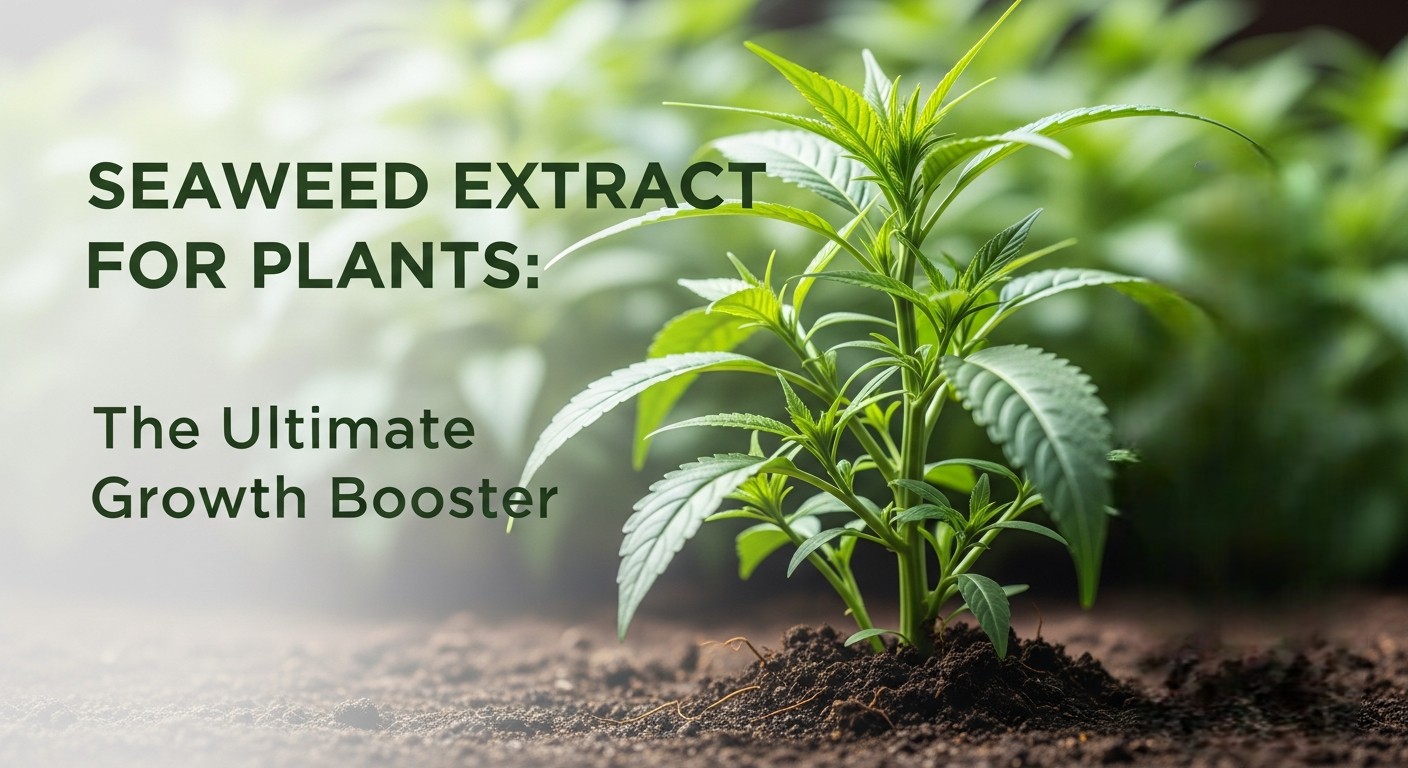
A natural source of plant food, seaweed has been a staple of the gardener's toolbox for centuries. In addition to being an effective means of providing your plants with the nutrients they need, seaweed extract also provides your garden with essential plant hormones and bioactive compounds that help your garden flourish, regardless of what type of planting medium you choose – whether it be traditional soil or a container.
Because seaweed contains a number of essential plant nutrients that can be easily taken up by plants, it is one of the most effective ways to help plants grow in a healthy and vigorous manner. Using seaweed powder as a substitute for chemically based fertilizers is a safe and sustainable way to enhance soil quality, enhance root development, and improve a plant's ability to tolerate environmental stressors; thus, ensuring strong, healthy crops every growing season.
The benefits provided to your plant through each application of seaweed extract will give your plants all the necessary nutrients they need to remain competitive, healthy, and strong, no matter whether applied in liquid form, powdered form, or as a seaweed garden fertilizer incorporated into your soil.
What Is Seaweed Extract and Why It Matters in Agriculture
Seaweed Extract represents an innovative, sustainable resource in Agriculture today. It is derived from various species of kelp (seaweed), providing growers with naturally occurring minerals, plant hormones, and nutrients necessary for healthy plant growth. The benefits of using seaweed extracts include enhancing root development, increasing disease resistance, and improving soil structure without the negative consequences associated with synthetic fertilizers.
As more growers begin to require Organic/Eco-Friendly Fertilizers, seaweed extracts will continue to meet these requirements while supporting Sustainable Agriculture Practices.
Natural Origin and Sustainable Source
Seaweed is a continuously harvested product from the ocean that has been a part of agricultural practices for centuries due to its high nutritional value and eco-sensitivity. As opposed to using synthetic fertilizers, seaweed fertiliser is a renewable product that does not deplete the soil or pollute surface or groundwater.
Sustainable Benefits of Using Seaweed Extract:
- Renewable Resource: Harvesting seaweed does not deplete earth's resources or have a negative effect on the environment.
- Eco-Friendly: Seaweed extract decreases a farmer's reliance on chemical fertilisers, which helps to create a more diverse microbial community in soil.
- Develops Growth: Seaweed extract contains natural plant hormone compounds (auxin, cytokinins, and gibberellins) to stimulate and enhance the growth of the plant
Includes essential trace minerals such as calcium, magnesium, and iron to provide plants with essential nutrition.
Benefits of Using Seaweed for Sustainable Agriculture:
- Improves soil structure and increases microbial activity within the soil.
- Minimises soil erosive properties by using mulch or soil enhancement product.
- Minimises the amount of water needed for plants through improved moisture retention.
Difference Between Seaweed Extract and Fertilizers
The role that seaweed has in modern agriculture is becoming more important every day as it contributes to promoting the health of plants, enhancing crop yields and reducing the use of artificial chemicals. The use of seaweed-based fertilizers in organic farming is especially important as organic farming focuses on sustainability and soil health.
Seaweed extracts as a Fertilizer for Farmers:
- Seaweed enhances a strong root system, improves flowering and enhances total plant growth.
- By allowing plants to better utilize nutrients and water.
- Seaweed improves plants’ ability to manage stress (e.g. drought, disease, or extreme heat).
- Seaweed enhances soil quality by increasing microbial activity in the soil and improving soil structure.
Role in Modern Farming Systems
These products differ in two ways: Seaweeds are a source of plant nutritional need (phytonutrients, including micro- and macronutrients), while fertilizers are a source of high concentrated nutrients (nitrogen, phosphorus, potassium - N.P.K.). However, when using seaweed products along with fertilizers, they are viewed as supplemental to the fertilizer application.
The following provides information on how seaweed extract and traditional fertilizer differ:
- Nutritional Composition - Seaweed is an excellent source of micro-nutrients and growth hormones, while traditional fertilizer sources are primarily N.P.K.
- Soil Conditioning - When using seaweed products, they promote a healthy microbial population in the soil; whereas many (but not all) chemical fertilizers will cause detrimental effects to soil condition over time.
- Application Frequency - Seaweed is typically used less frequently and is often used as a growth stimulant; traditional fertilizers tend to have a higher application rate for best results.
Benefits of Seaweed Products Over Fertilizers:
- A Long-Term Improvement to Soil Quality vs. A Short-Term Nutrient Sourc
- Enhancing Plant Resilience and Stress Tolerance
- Reducing Chemical Synthetic Input Needed To Grow Plants

The Science Behind Seaweed Extract for Plants
The seaweed extract provides plants with a wide variety of nutrients and bioactive compounds that directly support their health. Seaweed extract promotes plant growth by encouraging normal growth processes, increasing nutrient uptake, and improving each plant's strength. As gardeners understand how the seaweed extract affects how plants grow and develop, they will be able to utilize the maximum benefit of seaweed extracts for improving plant growth and for increasing soil health.
Plant Hormones and Bioactive Compounds
- Cytokinins - Cytokinins are natural plant hormones found in seaweed. Cytokinins promote growth and encourage plant cell division and shoot development.
- Auxins - Auxins are plant hormones that encourage root growth and root formation. Auxins assist plants in creating more resilient root systems.
- Gibberellins - Gibberellins promote stem elongation and flowering, which allows plants to grow tall and have more blooms.
For gardeners, using seaweed powder provides the opportunity to use natural plant hormones that will allow them to grow plants that are more vigorous and better looking.
Improved Nutrient Uptake
The major benefit of employing seaweed extract on your plants is the enhancement of the nutrient absorption capacity of the plant. Seaweed contains a diversity of unique minerals required for plant growth, including potassium, calcium, magnesium, and iron. These minerals assist in the uptaking and digesting of nutrients by the plant directly from the earth.
Ways Seaweed Enhances Nutrient Absorption
- Mineral Enrichment: Seaweed is a significant source of both macro and micronutrients that support the growth of plants.
- Increased Root Activity: Seaweed promotes a greater degree of root development and strength, allowing for an increased uptake of both water and nutrients.
- Improved Soil Structure: When used as a seaweed fertiliser, it results in the formation of a more porous soil that promotes the movement of nutrients through the soil profile.

Stress Resistance Mechanism
Seaweed extract, when utilized on your plants, has been proven to aid them in the battle against numerous types of environmental stresses such as drought, extreme weather conditions, and insect infestations.
Ways Seaweed Increases Stress Resistance
- Increased Water Retention: Seaweed’s capacity to allow plants to store moisture greatly allows plants to cope more easily with extended drought conditions.
- Improved Plant Immunity: The bioactive substances in seaweed will act as a natural protection against diseases and insect infestations.
- Reduced Oxidative Stress: Seaweed contains antioxidants that help protect plants from damage caused by sun exposure and other forms of severe weather.
Using Seaweed Powder Regularly On Your Plants Will Increase The Strength and Resilience of Your Plants To Unfavourable Growing Conditions.
Key Benefits of Using Seaweed Extract in Crops
Seaweed extract is an extremely powerful and effective natural resource that helps promote healthy plant growth by enhancing soil fertility and improving overall soil quality. Seaweed extract for agriculture includes many of the necessary nutrients, plant hormones and bioactive substances that make plants grow faster and more productively
Also help to increase yields and improve plant resilience in the face of challenging weather. In addition to the many benefits of seaweed extract for plants, frequent application of seaweed products will assist crops during each phase of growth, from seed germination to harvest.
Faster Germination and Root Development
Seaweed extract has the unique ability to greatly accelerate seed germination as well as develop a vigorous and healthy root system. Seaweed contains several classes of plant hormones that promote root growth and development, including Atlantic Seaweed Extract.
Importance of Root Development:
- The greater your crop's root system, the better equipped it is to absorb nutrients from the soil and maintain a stable position in the soil.
- Crops that germinate quickly and have a strong rooting system are more likely to survive and prosper.
The Importance of Seaweed Extract:
- Increased root depth enables your crops to absorb large quantities of nutrients from the soil, resulting in healthier and more productive plants.
- Installations of seaweed extract benefit seedlings by helping them to overcome early growth problems as well as providing them with a means of establishing an extensive root mass.
- Installation and application of seaweed extract will reduce transplant shock and increase a seedling's likelihood of survival.
Increased Crop Yield and Quality
Seaweed extract is known for its ability to boost growth in both crops and produce, which can lead to an increase in the amount of produce produced by plants, as well as improved quality of that produce. By providing plant-essential minerals such as potassium, magnesium and calcium, Seaweed Garden Fertiliser provides plants with the nutrients necessary to produce larger, healthier fruits and vegetables.
How Seaweed Increases Yields:
- Encourages even and uniform growth resulting in better sized crops
- Increases the potential to flower and produce fruit in fruit-bearing plants
- Increases the nutrient content and taste of the produce
- Helps crops withstand environmental stress, resulting in fewer losses and higher quality
Benefit To Crops:
- Higher brix (sugar content) in fruits and vegetables
- Stronger plant structure making them less susceptible to injur
- A longer shelf life for the harvested produce
Enhanced Disease Resistance
Along with stimulating growth, seaweed extract provides the plant's defense system with additional strength in terms of disease/pest resistance. This is due to bioactive compounds contained in seaweed powder, which promote increased immunity in plants and protect against fungal infection, bacteria, and viruses.
How does Seaweed increase disease resistance?
- Increases resiliency to pathogens (fungal and bacterial) in plants.
- Strengthens the cell wall of the plant, preventing pathogens from entering.
- Encourages production of plant stress hormones (i.e. jasmonic acid).
Improves the microbial balance within the soil where healthy microbes thrive, while eliminating harmful pathogens from existing on the plant.
Long-Term Benefits:
- Minimizes pesticide application (increases sustainable agriculture).
- Protects crops from being lost due to pests or disease.
- Improves quality of crops by reducing the impact of pest/disease on fruits.

How to Use Seaweed Extract Effectively
Seaweed Extract for Plants is a multipurpose and organic growth stimulant that can be implemented in a number of ways in order to enhance the health of plants. Seaweed can help you improve soil quality and root development, as well as promote vibrant blooming. Seaweed is safe and effective.
To achieve optimal results from using seaweed extract, it is essential to apply the seaweed extract to your plants in order to provide them with the proper nutrients at the appropriate time, so you can have a successful harvest.
Foliar Spray Application
Using a foliar spray is one of the most used methods for using seaweed extract on plants. Seaweed extracts enter the plant faster through its foliage than through the roots.
Advantages for Foliar Spray
- Rapid absorption of nutrients through the stomates (tiny holes) in the foliage.
- Promotes the production of thicker and darker foliage as well as improved photosynthesis.
- Assists with quickly relieving stressed plant
- Best for leafy vegetables, flowering plants, and indoor plants/shrubs.
Steps on How to Apply Seaweed Foliar Spray
- Use as instructed. Syrup (dissolving seaweed in water usually requires dilution of 1-2 Tbsp per gal).
- The best time for application is early in the morning or late at night to avoid sunburn from the high heat of the sun.
- Make sure you apply the seaweed extract solution all over the plant, from the top to the bottom of the foliage
Repeat this application process every two to three weeks during the growing season for all of your plants.
Soil Drench Method
To use the soil drench method, you can directly apply a liquid seaweed extract to the ground around the base of your plants. This allows the nutrients from the liquid seaweed extract to be taken in through the plant roots and help improve the overall health of your soil, as well as promote the healthy development of the plant's root system.
Advantages of Soil Drenching:
- Increases the ability of your soil to hold moisture, as well as improve the overall structure of your soil.
- Increases the number of beneficial microorganisms in your soil, which can help increase soil fertility.
- It can help improve the long-term growth and survival of your plants.
- This method works especially well for deep-rooted plants, such as trees, shrubs and larger vegetables.
How to Apply Seaweed Extract as a Soil Drench:
- Follow the directions for diluting the seaweed extract (generally, 1-2 tablespoons of seaweed extract per 1 gallon of water).
- Water your plants by pouring the solution around the base of the plant, making sure to wet the surrounding soil as well as the roots.
- For best results, use a soil drench on your plants at least once per month during their growing season.
Dosage and Frequency
Using the proper amount and how often you apply seaweed powder/seaweed extract to your plants is imperative in attaining the best results possible and to ensure that you do not over fertilize your plants.
Dosage recommendations
- Foliar Spray = 1-2Tbls per Gallon of Water
- Soil Drench = 1-2Tbls per Gallon of Water
- Using Seaweed Powder for Plants = 1Tbsp and 5 Gallons of Water for Root Soaking
How Often Should I Apply This?
- Foliar Spraying = Once every 2-3 weeks throughout the growing season.
- Soil Drenching = Apply once a month or as often as needed to assist with stressed plants.
- Using Seaweed Powder for Plant Nutrient Continuity = Adding to the Soil Once Every 6-8 Weeks.

Seaweed Powder for Plants vs Liquid Extract
Two types of seaweed extracts are available for use in the garden; Seaweed powder (dry) and Seaweed Liquid. Both offer different benefits depending on what type of plant is being cultivated, how the garden is being set up, and how the gardener wants to use it. Knowing the differences will allow for the optimum results with your plant's health, growth, and yield.
Advantages of Seaweed Powder for Plants
Seaweed powder (dry) comes from drying and grinding seaweed into powder form. The use of powder (dry) as an amendment to the existing soil or as part of composting will help improve soil quality.
Seaweed Powder Benefits:
- Improve Soil Structure: By providing the necessary organic material to assist in creating a more aerated and retaining moisture environment in the soil.
- Long-Lasting: Seaweed releases its nutrients over a period of time which makes it suitable for maintaining healthy soil for a longer period than when using liquid forms of seaweed.
- Easy to Store/Handle: Seaweed powder can be stored in a dry sealed container until use.
- Great for Compost: Adding nutrients and beneficial minerals to compost aids in activating compost piles.
- Reduce Weeds: When used as mulch, seaweed powder can help suppress weed growth while enriching the soil.
How to Use Seaweed Powder:
- Directly into soil prior to planting
- Mixing into your compost pile to improve microbial activity
- As a top dressing around established or mature plants.
Benefits of Liquid Seaweed Extract
Liquid Seaweed Extract provides a rapid group of nutrients to your plants, helping them grow in important stages of their life cycles.
Liquid Seaweed Extract Benefits
- For instant benefit, Liquid Seaweed Extract is readily absorbed by plant leaves and roots, providing a host of benefits.
- Liquid Seaweed Extract supports stronger roots, healthier foliage and vibrant flowers.
- Liquid Seaweed Extract releases to the environment after providing immediate access to essential nutrients for plants.
- Liquid Seaweed Extract has no adverse effect on the environment and can be applied directly to plant foliage or applied as a soil amendment.
Recommended Uses for Liquid Seaweed Extract
- Apply Liquid Seaweed Extract to plants during key growth phases, such as seedlings and flowering.
- Liquid Seaweed Extract should be used for the foliar spray and soil drench methods.
- Liquid Seaweed Extract works best for containerized plants or raised beds, where you need to see results quickly.
Choosing the Right Form for Agriculture
When considering whether to use seaweed in powder form versus liquid extracts, the decision may be contingent on your overall goal for the plant, the type of crop being cultivated, and if you place value on the long-term health of the soil versus the need for rapid results.
Uses for Seaweed Powder
- For improving the quality of the soil and enhancing the long-term fertility of the soil
- The best choice for organic farming methods where the quality of the soil may need to be improved over a given period of time
- Can be used for mulching and/or for use in the production of compost that will enrich the fertility of the garden beds
Uses for Liquid Seaweed Extract
- To stimulate rapid plant growth for reasons such as: flowering, transplanting or changing of seasons
- For any container gardening or any smaller size application where delivering nutrients in an accurate and timely manner is important
- When plants are suffering from heat, drought or pest stress and require immediate attention and assistance

Seaweed Garden Fertilizer vs Synthetic Fertilizers
Gardeners have to decide on whether to use seaweed garden fertilizer or synthetics to fertilize his/her plants. Seaweed and synthetic are two types of fertilizers that contain nutrients that plants need; however, they differ from one another in terms of what types of effects they will have on a gardener's soil, the health of the gardener's plants and the environment.
Seaweed extract is an organic/natural product that offers many more benefits than synthetics. However, synthetic fertilizers are effective products used to fertilize a plant's soil; however, they present problems regarding the health of the soil, as well as environmental issues created as a result of the production of the synthetic fertilizers.
Environmental Impact Comparison
The most significant difference between using a seaweed garden fertilizer versus synthetic fertilizers is that they have totally different environmental impacts. Synthetic fertilizers provide quick increases in plant growth but they commonly allow for increased water pollutants and soil degradation, in part by disrupting the microbial communities in the soil. By contrast, the use of an extract made from seaweed can provide benefits to soil health while being completely eco-friendly.
Environmental Issues Resulting from the Use of Synthetic Fertilizers:
- Soil degradation caused by the accumulation of chemicals, inhibiting beneficial microbial life.
- Greenhouse gas emissions produced during the manufacture and use of synthetic fertilizers.
- Chemical runoff and contamination of water through runoff are caused by the use of synthetic fertilizers.
The Advantages of Using Seaweed Fertilizers:
- Reducing the amount of chemical runoff and resulting in less contamination of water supplies.
- Improving the structural integrity of soil and promoting the establishment of beneficial microorganisms
- Being a renewable and sustainable source of fertilizer, thereby reducing the need for dependence on non-renewable sources of fertilizer materials.
Long-Term Soil Fertility
Soil Health will benefit from application of seaweed powder, and seaweed fertilizer for the garden provides for long-term soil health. Synthetic fertilizers, which may cause imbalance within soils and lead to acidity, do not provide soil nourishment. The use of seaweed products promotes sustainable fertilization.
The impacts of synthetic fertilizers include the following on the Soil:
- Nutrient Imbalances, resulting in long term deficiencies. Deficiencies in important minerals.
- Acidified soil, resulting in less than adequate growing conditions for plants and beneficial organisms.
- Loss of organic matter, resulting in reduced ability of soil to retain moisture and nutrients.
Benefits of Seaweed Fertilizers to Soil fertility include the following:
- Seaweed Fertilizers provide micronutrients and trace minerals, which support soil health.
- Seaweed Fertilizers increase soil microbial activity and break down organic material into nutrients.
- Seaweed Fertilizers improve soil moisture retention and provide better aeration for root systems.
Compatibility with Other Inputs
When it comes to compatibility, seagrass-based fertilizer provides a lot of alternate uses and flexibility as it works in harmony with other organic materials without negatively impacting plants in any way. The same cannot be said for many synthetic fertilizers, which may react negatively once combined with other treatments used in gardening.
Negative Associations Between Synthetic Fertilizers and Other Garden Inputs:
- Synthetic Fertilizer Reduces the Effectiveness of Organic Fertilizers and Soil Amendments.
- Synthetic Fertilizer Can Damage Beneficial Microorganisms When Used In Conjunction With Organic Compost or Mulch.
- Synthetic Fertilizer Interferes With Soil pH When Used With Certain Inputs.
How Seagrass Fertilizer Works In Conjunction With Other Garden Inputs:
- Seagrass Fertilizer Easily Mixes with Compost, Vermicompost, and Organic Soil Amendments
- Seagrass Fertilizer Helps Create Healthier Roots than Organic Matter Alone.
- Seagrass Fertilizer Is Compatible with Natural Pesticides and Biostimulants; Thus, Both Increase the Overall Health and Wellness of Your Plants.

Crops That Benefit Most from Seaweed Extract for Plants
Seaweed (macroalgae) is a multi-use, naturally occurring source of support to numerous crop types. Seaweed can act as a fertilizer (seaweed garden fertiliser) to improve plant health, root growth, yield and overall plant growth. Seaweed fertilisation is beneficial for all types of crops, including vegetables, fruits and ornamental plants. It contributes essential nutrients, hormones and organic matter that will increase plant strength naturally. Below are lists of all types of crops that are successful with fertilisers containing seaweed.
Vegetables and Fruit Crops
Vegetables and Fruits are two of the most abundant crops to benefit from seaweed. Seaweed will increase root growth, aid in the uptake of nutrients and enhance the plant's immunity. Seaweed is particularly beneficial to crops that are experiencing stress and need a boost in their nutrient levels.
Examples of Vegetables and Fruits that Respond to Seaweed:
- Tomatoes & Peppers – Increases fruit set and yield; increases resistance to disease.
- Leafy Greens (Spinach, Lettuce) – Increases leaf greenness and vibrancy; enhances soil fertility.
- Root Vegetables – Stimulates root growth and enhances nutrient intake.
- Fruit Trees (Apples, Citrus) – Improves flower production and fruit yield; increases tree pest resistance.
Application Methods for Vegetables & Fruits:
- Leaf Foliar Spray – Provides fast, easy absorption by foliage.
- Soil Drench – Enhances the development of roots.
- Seaweed Tea – Enriches the soil deeply.
Field Crops
Field crops like wheat, corn and rice are often impacted by environmental factors (stress), pests and soil nutrient depletion. By using Seaweed Powder for Plants as a Soil Amendment or Seaweed Extract for Plants, it is possible to generate increased crop yields through better soil quality and increased productivity.
Field Crops That Are Enhanced By The Use of Seaweed:
- Wheat & Barley - Increased tolerance to stress, improved rutting structure and increased nutrient intake.
- Corn & Rice - Increased stalk strength, improved grain fill and increased overall yield.
- Soybeans - Improved nitrogen fixation, improved root health and ultimately increased yield.
How To Apply Seaweed To Field Crops:
- Soil Incorporation at the time of planting or pre-planting.
- Foliar Application during the growing season to enhance plant growth.
- Drip Irrigation with diluted seaweed extract for continued nutrient delivery, thereby providing a continuous supply of nutrients.
Ornamental and Plantation Crops
Ornamental and plantation crops such as flowers, shrubs, and trees gain from the use of seaweed extract in many ways including improving soil conditions and boosting plant's immune systems. Flowering plants benefit from improved bud development and increased bloom time from using seaweed extracts.
Ornamental & Plantation Crops that are benefited from Seaweed:
- Flowering Plants (Roses, Orchids): Improved flower size, quality and disease resistance.
- Shrubs & Hedges (Lavender, Boxwood): Healthy leaf production, increased resistance to environmental stress on plants.
- Trees (Citrus, Olive): Improved root system, increased flowering and increase fruit yield.
Applications of Seaweed for Ornamental & Plantation Crops:
- Applying Seaweed Extract as a Foliar Spray during Bloom Phase
- Drench the soil with Seaweed Extract for Increased Root Feeding
- Mulching the ground with Seaweed Powder will add nutrients to the soil structure over an extended period of time

How to Select Quality Seaweed Extract Products
Seaweed extracts are beneficial to the health of your plants when used as fertilizers. The best thing you can do for your gardening success is to choose a quality product that provides the proper nutrients and bioactive compounds your plants need in order to grow well. There are many types of seaweed extracts available on the market today. In order to find the right seaweed extract for your plants it will take time, research and consideration of several factors before purchasing a product.
Check Source and Processing Method
- Source: Be sure that the seaweed was collected from areas where water is clean and free from pollution.
- Method of processing: Cold-processed extracts maintain more of the nutrients when compared to heat-processed extracts.
- Species used: Brown seaweeds, such as Kelp, contain higher concentrations of nutrients and bioactive compounds.
Why it matters:
- The better quality the seaweed, the more nutrients your plant will receive from the seaweed extract.
- Processed seaweed retains the mineral and trace elements as well as the natural hormones responsible for plant growth like gibberellins and auxins.
Liquid vs Powder Product Labels
When choosing seaweed powder or liquid seaweed extract, it's important to know how to apply the product and what it does for your plants.
- Liquid Seaweed Extracts: Are simple to apply as a soil drench or as part of a foliage spray; Get absorbed quickly by the plants so that they receive nutrients quickly; Can be used immediately and as a foliage spray.
- Seaweed Powder for Plants: Have more long-lasting conditioning effects on the soil; Should be incorporated into compost or as a slow-release fertilizer; Best for larger beds or longer-term applications.
Which is Better?
- Liquid extracts provide quick results and quick plant growth.
- Powdered seaweeds are ideal for building up soil and giving long-term results.
Sustainable Harvesting Certification
The importance of sustainably sourced seaweed garden fertilizers cannot be understated and selecting the best seaweed product requires ensuring the seaweed is harvested responsibly to help protect our marine ecosystems and to continue to supply future generations with this valuable resource.
What to Seek
- Look for Certifications- A product should have organic or sustainable certification.
- Look for Companies that Use Ethical Harvesting Methods-
- Make sure you select a company that uses eco-friendly harvesting approaches,
- e.g., selective harvesting, protection of marine habitats.
Why is Sustainability important?
To protect the environment and prevent the over-harvesting of marine resources. To maintain the seaweed as a renewable resource for future generations.

FAQs
Q1. Is seaweed extract for plants safe for organic farming?
Yes, seaweed extract is 100% organic and safe for use in certified organic farming.
Q2. Can seaweed powder for plants replace fertilizers?
Seaweed powder can supplement fertilizers but works best as a soil enhancer rather than a complete replacement.
Q3. How often should seaweed garden fertilizer be applied?
Apply seaweed fertilizer every 2–3 weeks during the growing season for optimal results.
Q4. Is seaweed extract suitable for all crops?
Yes, seaweed extract is suitable for a wide range of crops, including vegetables, fruits, and flowers.
Q5. Can seaweed extract be mixed with pesticides?
It’s best to apply seaweed extract separately from pesticides to avoid any potential interference in effectiveness.
Conclusion: Strengthen Crop Performance Naturally
Using seaweed in your farming or garden is a great way to promote natural methods of improving crop production. Seaweed is a very good source of all the nutrients that plants need, contains plant hormones (which aid in growth), and contains many bioactive substances. Seaweed extracts increase the nutrient density of soil and help build plant health. Using seaweed in addition to being a great natural product supports the development of root systems, enables better uptake of nutrients, and increases the quality and yield of crops.
Utilizing seaweed in your crop care program is not only beneficial to growing more vigorously healthy plants, but it is also an environmentally friendly way to grow crops and help to support a more sustainable agriculture. By eliminating or minimizing the use of chemical fertilizers, seaweed can help build healthy soils, make crops more resilient to stress, and ultimately allow crops to grow and thrive in adverse situations. Utilize the full potential of seaweed to grow healthy and vigorous plants, and enjoy the many benefits of using seaweed.