

The Fascinating Structure of Humic Acids: Unlocking Nature’s Organic Power
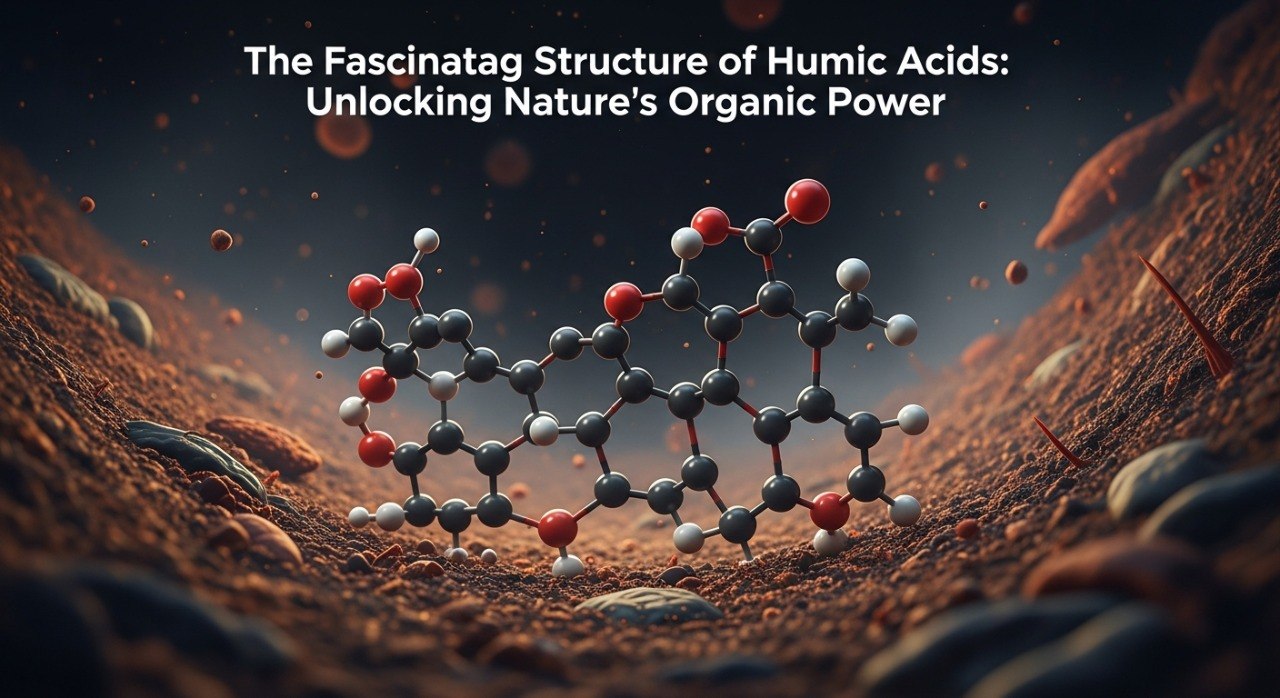
Humic Acid is a naturally formed organic material from the breakdown of plant and animal materials over time. Humic acid has a highly complex structure with a high content of carbon-based substances and is one of the strongest contributors to soil fertility and plant health.
Humic acid has several important chemical functions in the form of carboxylic acids, phenolic compounds, and aromatic compounds, which contribute positively to nutrient binding, improve soil structure and moisture retention. These natural characteristics provide for better root systems, enhanced nutrient uptake, and increased microbial activity.
The complexity of humic acid molecules allows humic acid to act as an effective natural soil conditioner and nutrient carrier. They enhance availability of nutrients and minerals, and increase the length of time the soil is fertile and alive biologically.
The incredible structure of humic acid provides organic power to the earth whether in the form of enhancing agricultural production or promoting sustainable agriculture, so, humic acid is vital to building healthy soils and vigorous plants.
Understanding Humic Acids Structure: The Basics
Humic acid can be understood from many perspectives. The structure of humic acid is very complex because it was formed naturally through a long-term breakdown process involving both plant and animal matter. Over a long period of time, the breakdown of various organic materials led to the development of humic acids, which are critical for soil health and the ability for plants to thrive in terms of providing nutrients and maintaining sufficient growing conditions in soils.
A unique aspect of humic acids is their actual chemical structure, which contains numerous active chemical groups that can interact with other materials, including nutrients, water and soil microorganisms. Therefore, humic acid is one of the most successful natural soil conditioning agents available for use in agricultural production.
What Is Humic Acids Structure and Why Is It Important?
The structure of humic acid is a complex combination of organic molecules that includes mostly carbons, hydrogen, oxygens and nitrogen. The structure of humic acid contains both aromatic and aliphatic compounds and multiple active functional groups.
Humic acids structure and their importance.
- Humic acids bind to and transport nutrients in soil
- Humic acids increase water retention ability in soil
- Humic acids improve soil aggregation and aeration ability
- Humic acids support the activity of fungi and bacteria in soil, as well as support root growth.

Understanding Humic Substances and Organic Matter Composition
Humic Substances contain mainly Soil Organic Matter (SOM), which consists of three types of humic substances or Humic Materials. They include humic acids (complex molecules), fulvic acids (relatively simple molecules), and Humin (the portion of SOM considered inert). Because of their increased molecular complexity relative to fulvic acid and Humin, humic acids have a greater capacity to hold nutrients.
The composition of Humic Substances consists of:
- Decomposed Plant Residues
- Organic Carbon
- Natural Polymers
- Aromitic Compounds
- Functional groups reactive with minerals
The structure of Humic Acids increases their capacity to interact with soil particles and nutrients, thus improving the natural fertility of soil.
The Role of Humic Acid in Natural Soil Systems
Within natural soil ecosystems, humic acids serve as the biological links between soil minerals and the microflora living in them; they also serve as a biological link to the root systems of plants. The molecular structure of humic acids provides the long-term enhancement of both soil health and nutrient cycling.

The chemical composition of humic acids has also been shown to reduce the loss of nutrients through leaching, which contributes to increasing soil stability, thereby enhancing the sustainability of agricultural practices and providing a well functioning soil ecosystem.
The Complex Molecular Architecture of Humic Acids
Molecular composition of humic substances is extremely diverse and presents significant scientific interest. Humic acid has an elaborate organic molecular structure produced by the long-term decay of natural organic matter. Due to the complexity of this structure, humic acid has efficient interactions with nutrients, minerals and soil particles; thus, is considered to be a significant contributor to fertility and health of soils and plants.
The chemical structure of humic acids contains many active and functional sites; thus, provide the ability for nutrient chelation, water-holding capacities, and microbial activity to increase in soils.
Key Components of Humic Acid Chemical Structure
The chemical structure of humic acid consists mainly of carbon-provided compounds along with hydrogen, nitrogen and some trace minerals. The molecules contained in humic acid are prearranged in an irregular and highly reactive arrangement.
The major structural components of humic acid are:
- Aromatic carbon rings
- Aliphatic chains
- Organic acids and alcohols
- Nitrogen containing compounds

Functional Groups: Carboxyl, Phenolic, and Aromatic Compounds
The defining feature of humic acids is the presence of reactive functional groups. Many of the beneficial aspects of humic acid within soils can be traced back to the presence of functional groups.
Humic acids have three main types of functional groups:
- Carboxyl Groups (−COOH) Promote Nutrient Chelation and Cation Exchange
- Phenolic Groups (−OH) Antioxidant and Nutrient Buffering Ability
- Aromatic Compounds Provide Structural Integrity to Humic Acid and Stabilize Carbon
Due to reactive groups in humic acid, it can bind essential nutrients such as zinc, iron, calcium, and phosphorus to the soil, allowing for increased availability to plants.
Polymeric Nature and Molecular Characteristics of Humic Acid
Humic acids are naturally occurring organic polymers characterized by long, irregularly shaped molecular chains. The polymers associated with humic acids allow for tremendous flexibility in structure as well as functional capabilities within soils.

The polymeric nature of humic acid enhances soil aggregation and moisture holding capacity, and helps maintain nutrient stability. The dynamic molecular structure of humic acid is one reason why it has been instrumental in sustainable agriculture, soil fertility, and the long-term viability of agriculture and the environment.
How Humic Acids Structure Influences Soil Health and Fertility
The sophisticated and reactive nature of the humic acids structure is the reason why humic substances are effective in agriculture. The molecular arrangement of humic acids allows humic acids to interact with nutrients, moisture, microorganisms, and roots of plants in a manner that maximally promotes the natural improvement of soil fertility and plant growth.
Because humic acid has a diverse range of functions, it is a common form of a natural soil conditioner and organic fertilizer in sustainable farming systems.
Nutrient Chelation and Improved Mineral Availability
Humic acid has one of the highest qualities of nutrient chelation. The active functional groups in the humic acid chemical structure bind minerals and keep them in a form that is available for plant uptake.
The following are some of the benefits associated with nutrient chelation:
- The better absorption of iron, zinc, calcium, and magnesium.
- Reduced loss of nutrients through leaching due to being held in a soluble form.
- Higher efficiency of fertilizer application.
- Improved transport of nutrients to plant roots.

Soil Conditioning and Organic Matter Enhancement
Humic acid contributes to better soil physical qualities through the ability to chemically link together soil particles into stable aggregates, enhancing the structure of the soil; thus enhancing the soil’s long-term fertility.
Benefits of Soil Conditioning:
- More aerated and porous soils
- Increased water retention
- Decreased compaction of soils
- Stabilisation of Organic Matter
The polymeric structure of humic acid allows it to capture water and nutrients therefore creating healthier soils for agricultural crops to grow correctly.
Impact of Humic Acid on Root Growth and Plant Health
Healthy roots lead to healthy plants; therefore, adding humic acid helps develop roots by increasing access to nutrients and water.
Benefits Of Healthy Plants:
- Roots that are longer/deeper and wider.
- A larger quantity of living organisms exist around the roots.
- Have an improved ability to survive adverse (non-living) environmental conditions.
- Increased health and growth of the plant.
Humic acid is made up of many different chemical groups that react to produce living organisms near or in the root system of plants, which will allow them to uptake more nutrients from the soil. This means crops that are grown in organic soils will have better health than crops grown in conventional soils, faster growth, and withstand the stress associated with their environment.
The Relationship Between Humic Acid Chemical Structure and Agricultural Benefits
The reason that humic acid has so much worth as an agricultural soil amendment comes from its complex internal structure and its highly active component elements. Humic acids interact with water, nutrients (macro and micro), soil microorganisms, and the roots of growing plants, and through their spatial configurations, they support increased soil fertility, increased plant biomass, and the establishment of sustainable agricultural systems.
Humic acids are known for their multi-functionalities (molecular characteristics), and they are among the most important naturally occurring agricultural soil amendments in the world today.
How Molecular Structure Enhances Fertilizer Efficiency
Reactive functional groups found within the chemical structure of humic acid assist with binding/holding nutrients and preventing nutrient use from being lost/gone from soil. This process can also lead to greater retention and delivery of nutrients to plant roots.
Benefits of increased fertilizer performance include:
- Reduced Nutrient Leaching
- Greater Absorption of Nitrogen, Phosphorus, and Potassium
- Greater Availability of Micronutrients (Zinc and Iron).
- Greater Nutrient Movement within the Root Zone

Water Retention and Soil Aggregation Properties
One more benefit of humic acids relates to improving soil physical properties. Humic acid has a large polymeric structure so that it can help to bind soil particles together into stable aggregates.
Benefits of soil include the following:
- Increased ability to hold water
- Improved aeration
- Reduction of compaction
- Better ability of roots to penetrate soil, improve soil stability and have less impact on soil properties.
Humic acids are similar to a sponge, whereby they hold onto moisture within the soil for greater time periods. This characteristic is particularly useful in sandy soils where little or no moisture will be held for long.
Role of Humic Acid in Sustainable Farming Systems
Humic acid is essential to sustainable agriculture through increased productivity with less harm to the environment. Humic acid molecular structure supports natural nutrient cycling and biological activity of soil.

The chemical structure of humic acid is dynamic and supports the stabilization of carbon and preservation of organic matter, thus creating healthier soils over extensive periods. Humic acid's natural improvement in nutrient use efficiency, water management and soil health have made it an integral part of ecological and regenerative ag systems.
Analytical Techniques Used to Study Humic Acids Structure
Due to the complexity of humic acid's structure, traditional chemical analytical methods cannot be successfully used to study its properties. To identify the composition, bonding and functionality of humic acid, many different types of analytical techniques have been developed to help scientists identify how the chemical structure of humic acid influences nutrient/mineral/soil systems in both agriculture and environmental science.
The advances in analytical instruments have led to a much greater understanding of the role of humic substances in soil fertility, plant nutrient retention and sustainable agriculture.
Spectroscopy and FTIR Analysis of Humic Acid
One of the more widely used analytical techniques for the study of humic acids is spectroscopy. Fourier transform infrared spectroscopy (FTIR) is amongst other spectroscopic methods employed to characterise the chemical structure of humic substances by identifying the functional groups within the substance.
FTIR Analysis Identifies:
- Carboxy and Phenolic Functional Groups
- Patterns of Organic Bonding
- Aromaticity / Aliphaticity
- Functional Groups Containing Oxygen

NMR and Molecular Characterization Methods
Nuclear magnetic resonance (NMR) is an advanced tool used for examining how humic acid is organized at the molecular level and therefore assists researchers in determining chemical make-up of the carbon and hydrogen atoms in organic compounds.
NMR analysis provides researchers with many advantages such as:
- Identification of aromatic and aliphatic carbon compounds,
- Measurement of molecular complexity,
- Understanding of bonding patterns and structural stability,
- Comparison between different sources of humic acid.
Methods utilized for molecular characterization of humic acid include advanced forms of chromatography and mass spectrometry, allowing for higher levels of understanding of chemical structure on a molecular basis.
Modern Approaches to Studying Humic Acid Chemical Structure
Modern techniques for analyzing the chemical structure of humic acids utilize advancements in technology to provide more accurate and detailed analysis of humic structures with the use of laboratory analyses as well as computer-based analyses.

Through this knowledge gained on molecular level chemical structure, researchers will continue to use this information for the development of more effective agricultural practices, remediation of the environment and improving the sustainability of soil management practices.
Variations in Humic Acids Structure Based on Source
Humic Acids have been found to significantly alter in composition and behaviour due to the source material used for their production. The chemical composition of humic acid has been shown to be structurally complex, due to the type of organic matter, environmental conditions, and how the organic matter has been decomposed over time. This structural variability means that different sources or types of humics behave differently when added to soil; differing in nutrient retention; soil amendments; and biological activity.
It is important to know how source material affects humic acid chemical structure so you can choose the appropriate humic products for both agricultural and environmental uses.
Peat-Derived vs Coal-Derived Humic Acid
Peat and oxidized coal (such as leonardite) are largely accepted as being the two most common sources of humics. They both contain valuable humic substances, but they are very different in what their molecular make-up is.
Peat Humic:
- Comes from partially decomposed plant material
- Has much greater biological activity
- Is much softer and less condensed chemically
- Generally used in organic soil amendments
Coal Humic (Leonardite):
- Comes from being formed over millions of years under geological pressure
- Has substantially higher concentrations of humic substances
- Has greater stability and more aromatic characteristics than peat humics
- Very common as ingredients in commercial fertilizers

Environmental Factors Affecting Humic Acid Composition
The chemical structure of humic acids is influenced by various factors in the environment (i.e., temperature, moisture, microbial and decomposition activity). Thus, environmental factors greatly influence the molecular arrangements of humic substances.
Examples of environmental influences on humic acid structures are:
- Climate and precipitation patterns
- Soil oxygen
- Microbial decomposition
- Type of vegetation and organic matter
These elements affect the structural complexity, stability, and ability to bind nutrients of humic acids in natural environments.
Source-Dependent Structural Differences in Humic Substances
The source of organic matter will cause variations in the molecular properties of humic substances created. Therefore, the molecular structure of humic substances varies in terms of their functional groups, molecular weight, and biological activity.
Examples of Variations in Chemical Structure Include The Following:
- Aromatic vs. aliphatic compounds may vary in quantity
- Variations may occur in the concentration of carboxylic and phenolic functional groups
- Variations in cation binding capacity for nutrients
- Variations in humic acids’ ability to bind/hold moisture and interact with soil.
The flexibility of humic acids makes them suitable to work across a large range of agricultural production systems and soils. By understanding the source-specific variations of humic acids, farmers and researchers can select the proper type of humic acids to improve soil fertility, crop yield, and agricultural sustainability through long-term agricultural systems.
Applications Driven by the Unique Structure of Humic Acids
The unique properties of humic acids give them an extremely diverse usage. The complex and very reactive nature of the humic acid molecules means that humic acid can interact with nutrients, pollutants, microorganisms, and organic matter in a variety of ways that will contribute to both agricultural production and environmental sustainability. Therefore, due to its multifunctional characteristics, humic acid has an extensive range of applications in agriculture, the restoration of the soil, and ecological management systems.
Humic acid, because of its unique chemical structure, is one of the best natural substances available to enhance the productivity of soils while providing protection to environmental health.
Humic Acid in Soil Fertility and Crop Production
Humic acids are widely used in agriculture to enhance soil fertility and increase agricultural production. Humic acid increases nutrient retention and availability for plant uptake in the root zone.
Examples of how humic acids and other similar-type products will benefit farmers include:
- Improved nutrient uptake by plants
- Better root growth and development
- Improved fertilizer use efficiency
- Increased microbial activity in the soil.

Environmental Applications: Pollutant Binding and Remediation
Since humic acid(s) have highly reactive as well as highly absorbent structures, they also bind with toxic and/or heavy metals found in soils and water systems.
Environmental remediation benefits of humic acids include:
- Binding of toxic metals such as lead and cadmium
- Decreased chemical (external) contamination
- Increased ability of microbes to degrade pollutants
- Decreased contamination levels in water affected by pollutants.
The chelating abilities of humic acids allow for the immobilization of harmful pollutants and/or chemicals by reducing their ability to move into plant roots and groundwater.
Carbon Sequestration and Eco-Friendly Agriculture
Humic substances are also important carbon sinks (i.e. carbon storing entities) and are a key element of climate friendly agricultural practices. The stable organic compounds contained within humic acids enable them to hold on to carbon from soil for long periods of time.

Due to their highly stable molecular structures, humic acids provide the foundation for a regenerative, and therefore sustainable agricultural system as well as healthier soils. In providing numerous functions, humic acids are a major natural resource for both productive agriculture and for ecological sustainability.
Why Understanding Humic Acid Structure Matters for Sustainability
The growing recognition of agriculture and the need for greater sustainability in the environment has led to an increased focus on the study of humic acid structure. There are several reasons why humic acid is not just one more organic material but, rather, a sort of (unique) member to the family of organic materials. This unique structure produces distinct properties, which contribute significantly to the vitality of the soil, nutrient-use efficiency in crop production, and the long-term viability of the ecosystem as a whole. By learning the chemical structure of humic acid, researchers and growers alike will be able to implement enhanced soil management practices that are less damaging to the environment and with increased quantities of crop production.
As a naturally occurring and multifunctional substance, humic acid represents a primary building block for agri-ecological, eco-friendly and regenerative agricultural systems, worldwide.
Role in Organic and Regenerative Farming
Organic and regenerative agriculture promote biological processes to manage the soil rather than using synthetic (chemical) inputs. Humic acids have a highly reactive chemical structure that supports the biological processes of organically managed soils, which, therefore, enhances both nutrient cycling and microbial activity.
Using humic acids for organic agricultural practices provides several benefits:
1. Reduces reliance on using synthetic fertilizer.
2. Provides greater nutrient availability within control soils managed organically.
3. Increases viable biological activity and diversity of the microbiomes present within control soils managed organically.
4. Improves moisture retention and promotes increased levels of root growth.

Improving Soil Health Through Natural Soil Amendments
Good soil health is the basis of a successful sustainable farm. Humic acids are a great way to use natural soil amendments, as they have a complex molecular structure and improve both the physical properties of soil (such as aggregate and air pockets) and the biological properties.
Soil Quality Improvements from Humic Acids
- Improve Soil Aggregates And Air Quality
- Reduce Nutrient Loss Through Drainage Of Water
- Increase Organic Matter Stability
- Improve Microbial Activity
Within the structure of the humic acid show functional groups that have been shown to bind nutrients and water, creating better growing conditions for plant growth and ultimately, better long-term soil fertility.
Future Potential of Humic Acid Research and Innovation
Interest has increased in researching chemical and plant uses of humic acids. Researchers continue to find new opportunities for humic acids' application will be investigated more intensely as new methods/techniques to give us a better understanding of their use.
Future Research Opportunities Related To Humic Acid
- Precision Agriculture And Fertilizer Delivery Systems
- Climate-Resilient Soil Management
- Carbon Sequestration & Greenhouse Gas Mitigation
- Improved Bio-Fertilizer/Bio-Stimulant Formulations
As Sustainable Agriculture Becomes More Important, Understanding The Structure Of Humic Acid Will Be Widespread In Developing Novel Solutions Related To Food Production And Protecting The Environment. There Are Tremendous Opportunities In The Future To Create Healthier Soils, Stronger Plants, And More Sustainable Agricultural Systems Globally Through Research Associated With Humic Acid.
FAQs
Q1. What is humic acids structure?
Humic acid structure refers to the complex arrangement of organic molecules formed from decomposed plant and animal matter in soil.
Q2. What is the humic acid chemical structure made of?
The humic acid chemical structure contains aromatic rings, carboxyl groups, phenolic compounds, and various carbon-based organic molecules.
Q3. Why is humic acid important for soil health?
Humic acid improves soil fertility, nutrient retention, microbial activity, and overall soil structure naturally.
Q4. How does humic acid structure help plants?
The reactive humic acid structure enhances nutrient absorption, improves water retention, and supports stronger root growth.
Q5. What are the main sources of humic acid?
Humic acid is mainly derived from leonardite, peat, compost, lignite, and decomposed organic matter.
Conclusion: Why Understanding Humic Acids Structure Matters
Alterations to soil organic matter and nutrient sources can have a profound impact on soil fertility and plant growth. The chemical structure of humic acid (highly reactive) enables it to interact with other soil compounds/products, improve the retention and distribution of water, promote and enhance the activity of beneficial microorganisms, among many other benefits. Therefore, humic acid is a very significant part of any healthy soil system.
Humic acid has a significant influence on the efficiency of nutrients applied to the soil, the development of plant root systems and long-term soil productivity in agricultural practices. Its complexity and molecular make-up also provide support to sustainable agriculture through natural improvements to soil health (i.e., reduced nutrient leaching).
As the scientific understanding of the structure of humic acids advances, so will the opportunities for developing more effective inputs for agriculture, environmentally friendly soil amendments and sustainable environmental practices that utilize the benefits of humic acid at the molecular level for better soil health and productivity.