

The Power of Roots Mycorrhiza: Unlocking Nature’s Hidden Partnership for Healthier Plants
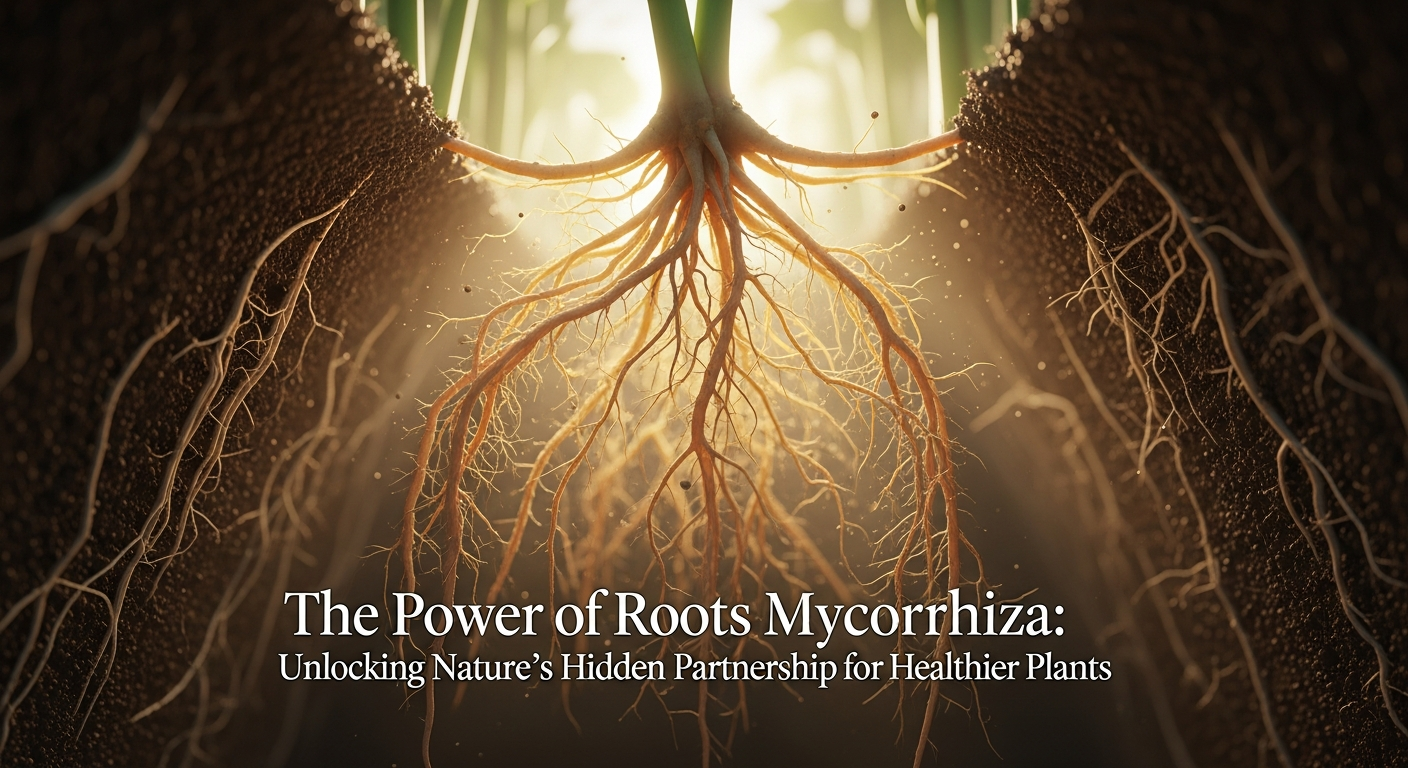
Mycorrhizal relationships between plant roots and beneficial mycorrhizal fungi have been a natural partnership that has provided healthy growth for plants for millions of years. This underground partnership increases nutrient and water uptake in plants and promotes strong root development naturally.
As a result of this relationship, essential nutrients (phosphorus, zinc, nitrogen, and micronutrients) are more readily available to the plant via the fungal networks that are hyphae, which extend far away from the roots into the soil and increase nutrient absorption, soil structure, and resiliency of the plant.
These beneficial fungi are also important for a plant to withstand drought, resist soil-borne diseases, and perform well under adverse soil conditions. For crops, vegetables, trees, and garden plants, mycorrhizal relationships are essential to the health of the ecosystem and the sustainability of agriculture.
The use of mycorrhizal biology in agriculture and horticulture today is growing as growers are searching for natural ways to improve soil fertility, decrease chemical fertilizers, and raise healthy plants for future generations.
Understanding Roots Mycorrhiza: What It Is and Why It Matters
Roots mycorrhizae (or "root mycorrhizae") are one of the most important biological systems in nature, enabling plants to become stronger and allowing soils to maintain their fertility. There is a symbiotic relationship between plant roots and mycorrhizal fungi that creates a beneficial relationship between the two biological organisms. Networks of root mycorrhizae can be found in forests, farms, gardens, and grasslands. Roots mycorrhizae are essential components of plant nutrition, water absorption, and the health of soil in general.
As sustainable agriculture and environmentally friendly gardening practices gain in popularity, the knowledge of roots mycorrhizae can assist growers in using beneficial natural organisms in the soil to enhance crop yields with reduced reliance on synthetic fertilizers.
What is Roots Mycorrhiza?
Root mycorrhiza is a type of mycorrhizal association between plant roots and mycorrhizal fungi which are a group of specialized soil fungi that form beneficial symbiotic relationships (mutualistic relationships) with the roots of certain plants. Generally, the hyphae (the vegetative body of the fungus) of the mycorrhizal fungi will penetrate or envelop plant roots.
Benefits of Root Mycorrhizae
- Impeded nutrient absorption
- Improved water uptake efficiency
- Enhanced development of roots
- Increased root protection from the effects of environmental stress
The hyphae of mycorrhizae play a vital role in providing a plant root with access to nutrients that would otherwise be unavailable to it by serving as a small extension of the plant root system via mycorrhizal fungal threads.
The Science Behind Plant–Fungi Symbiosis
The term “symbiosis” refers to the relationship between plants and mycorrhizal fungi; both the fungi and the plants receive some type of benefit from being in such close proximity to each other. During the process of photosynthesis, plants produce carbohydrates; they will then send some of these carbohydrates to mycorrhizal fungi. In return, the fungi will help improve the delivery of nutrients and water to the plant.
What happens during the process of the “symbiosis”:
- Plant roots signal to the fungi that they are ready to be colonized.
- The fungi will grow on and/or into the root system of the plant.
- The fungi will transfer nutrients from the soil to the plant.
- The plant transfers sugars back to the fungal partner.
Because of this efficient exchange of nutrition, mycorrhizal fungi have created one of the most efficient natural nutrient delivery systems in existence.
Why Mycorrhiza Matters for Soil Health
In addition to providing nutrition for individual plants, mycorrhizal roots also help maintain the overall health of the soil microbiome. In addition to improving soil structure through their mycellium, mycorrhizae also provide a better habitat for beneficial soil microorganisms by binding soil particles together resulting in greater stability in their soil profiles.
Some soil health benefits of mycorrhizae:
- Improved soil stability
- Increase in moisture retention
- Improved biodiversity of soil microorganisms
- Reduction in soil loss from water and nutrient transport

How Roots Mycorrhiza Enhances Plant Growth and Health
Roots mycorrhiza is a form of natural support that increases plant strength and productivity, as well as plant resilience. Mycorrhiza fungi colonize plant roots and provide them with access to nutrients and water at depths far greater than the roots could reach alone. The mycorrhizal fungal network underground supports overall plant functioning and improves the natural condition of the soil.
Mycorrhiza fungi have become an important component of modern commercial and home gardening because they help to produce healthier plants using fewer chemical inputs. Roots mycorrhiza contribute to every aspect of plant growth and development from when the plant starts to absorb nutrients until they become affected by some type of disease.
Improved Nutrient Absorption and Phosphorus Uptake
A major role of roots mycorrhiza is to enhance the availability of nutrients, especially phosphorus for use by the plant. Phosphorus is a major factor in the growth of roots, flower production, and energy transfer. However, phosphorus is usually in a locked state in the soil.
How mycorrhiza fungi enhance nutrient absorption:
- They grow long hyphae deep into the soil.
- The hyphae provide access to nutrients that would not be available to the roots on their own.
- The hyphae increase the ability of the plant to absorb phosphorus, as well as zinc and other micronutrients.
- The hyphae improve nutrient use efficiency naturally.

Better Water Uptake and Drought Resistance
Mycorrhizal roots have another significant advantage in that they enhance water uptake through their increased moisture retention capacity within the soil. Fine filaments of mycorrhizal fungi will grow into any small pore in the soil that is too small for the plant root to penetrate.
Increased Water Management Benefits:
- Increased water uptake from deeper soil
- Increased moisture retention around the plant roots
- Reduced drought stress during dry periods
- Increased survival rates of plants in infertile or sandy soils
This naturally occurring water support system allows the plant to remain strong and healthy, even under conditions of reduced rainfall and/or prolonged exposure to heat.
Disease Protection and Stronger Root Development
Mycorrhizal fungi not only assist in creating healthier root systems but also help provide increased disease resistance through the development of these healthier root systems. Mycorrhizal fungi create an environment that will thus create both a protective environment for the plant roots and a means of limiting the spread of any of the pathogens associated with root diseases.
Protection And Strengthened Building Benefits Are:
- Decreased incidence of root diseases
- Enhanced Root Branching and Development
- Increase in Environmental Stress Resilience
- Increased Support for Stronger Root Anchoring/Stability
Different Types of Roots Mycorrhiza and Their Roles
Mycorrhizal roots can take several forms, and each type is specialized in adapting to certain plant species and ecological areas, making them capable of helping plants thrive throughout many different environments, such as cultivated agricultural fields, dense forests, and acidic soils. Because of the diversity of mycorrhiza fungi types, the mycorrhiza types are key to enhancing soil productivity, the correct selection of mycorrhiza fungi based on soil type, and enhancing the long-term sustainability of plant production.
While each mycorrhiza root type provides different functions, all of the mycorrhiza roots functions are ultimately directed toward improving nutrient transfer; enhancing root efficiency; and increasing soil health.
Arbuscular Mycorrhiza in Agricultural Crops
Arbuscular mycorrhizal fungi (AMF), also known as arbuscular mycorrhizae, are the most prevalent and economically important type of mycorrhizal root type in agriculture. AMF grows into the cells of plant roots and forms specialized structures within the root called arbuscules, where nutrient transfer occurs.
Benefits to crops include:
- Increased phosphorus and micronutrient uptake
- Improved root growth and early development
- Greater drought resistance and nutrient use efficiency
- Increased crop production and plant health
Common crops associated with AMF include:
- Wheat
- Corn
- Rice
- Vegetables and Pulses
Mycorrhizal fungi are being used as a part of sustainable farming practices because they will improve the soil naturally and decrease the amount of fertilizer needed by the farmer.
Ectomycorrhiza in Trees and Forest Systems
Ectomycorrhizal relationships involve a different kind of roots than mycorrhiza and are generally associated with woody shrubs and trees. With ectomycorrhizal relationships, the fungi wrap around the surface of the roots to create a protective covering (or mantle) rather than intruding into the root cells.
Important Functions of Ectomycorrhizal Associations in Forest Ecosystems:
- Enhance the uptake of nitrogen and other minerals
- Help protect tree roots from pathogens
- Contribute to the long-term stability of forest soil
- Form an underground network of fungal connections between trees

Specialized Mycorrhiza Types: Ericoid and Orchid Associations
Some plants form highly specialized roots of mycorrhiza that are suited to their very specific environmental needs. As such, these fungal associations assist the host plant in surviving in areas with low nutrient levels, acidic soils, or other highly specialized environments.
Ericoid Mycorrhiza
The plants that form ericoid mycorrhiza include blueberries, cranberries, and tea.
Benefits:
- Efficiently absorb nutrients from an acidic soil
- Increased resistance to low or poor conditions of the soil
- Improve chances of survival in extremely adverse environments.
Orchid Mycorrhiza
Orchid seeds rely almost completely on fungi for support in germinating and establishing roots for growth.
Functions of the orchid mycorrhizal fungi include:
- Providing nutrients and support during germination
- Supporting the establishment of roots
- Increasing survival rates of orchids after they are established.

Practical Benefits of Using Roots Mycorrhiza in Agriculture and Gardening
Mycorrhizal roots have practical and long-term benefits that can be realized in both large amounts of agriculture and home gardening. Mycorrhizal fungi help to create natural relationships with roots and improve the nutrient efficiency of plant roots, enhance soil ecosystems, and assist in the healthy growth of plants. These biological systems can reduce the need for synthetic inputs while improving a farmer's soil sustainability and crop productivity.
With the growing popularity of eco-friendly farming, the use of mycorrhizal roots has become an essential part of keeping soils and plants healthy and sustainable.
Supporting Sustainable and Organic Farming
One of the primary benefits of mycorrhizal roots is their ability to support sustainable and organic agricultural practices. By increasing nutrient availability through naturally occurring processes, mycorrhizal fungi allow farmers to decrease their use of synthetic fertilizers.
Some benefits of sustainable agriculture include:
- Improved nutrient cycling within soils
- Reduced dependence on chemical fertilizers
- Increased plant resistance to stress
- Improved compatibility with organic farming methods
Some reasons organic farmers prefer mycorrhizaire are:
- Provides a means to increase the activity of the biological activity of the soil
- Encourages environmentally friendly farming practices
- Decreases the amount of chemicals that run off into the water supply.
Through the strengthening of the natural biology of soils, mycorrhizal fungi promote healthy and productive agricultural ecosystems over the long term.
Improving Soil Structure and Fertility
Roots mycorrhiza also improves the physical and biological quality of soil. The fungal hyphae bind soil particles together, creating stable soil aggregates that improve aeration and water movement.

Increasing Crop Yield and Plant Vitality
The ability for the plant to access soil nutrients and water through mycorrhizal fungi enhances plant efficiency in obtaining soil moisture and nutrients from the soil, especially under adverse climatic conditions.
Plant Growth Advantages
- Stronger root systems
- Greater flowering and fruiting potential
- Greater drought and disease resistance
- More uniform plant development .
How to Encourage and Maintain Healthy Roots Mycorrhiza
The health of roots mycorrhiza is based on well-balanced soil, good husbandry, and a well-maintained environment for the fungi to flourish in. Since mycorrhiza fungi are living things, their health, growth and effectiveness will be greatly influenced by how you treat your soil. Farmers and gardeners can encourage natural fungal growth and avoid harmful practices to develop strong root structures, healthy soils and resilient plants.
The establishment of active mycorrhiza networks is an important part of sustainable agriculture and long-term soil fertility.
Using Mycorrhizal Inoculants Effectively
Mycorrhizal inoculants are products that contain beneficial fungal spores that can be used to help establish roots of mycorrhiza in your crops, gardens or landscapes. If you use mycorrhizal inoculants correctly, it will result in successful root colonization and greater fungal activity.
The best ways to apply mycorrhizal inoculants include:
- Seed treatment prior to planting
- Dipping roots into inoculant mixture before transplanting
- Application into the soil immediately around the root zone
- Mix into potting media or compost.

Soil Management Practices That Support Mycorrhiza
Mycorrhizal fungi are more easily maintained by healthy soils. Good soil management will enhance the growth of these important fungi, as well as developing healthy populations of beneficial microbes.
Supportive Practices for Mycorrhizal Fungi
- Incorporate organic materials into the soil (e.g., compost)
- Manage soil moisture properly
- Practice crop rotation, cover crops and/or green manures
- Minimize soil disturbance
Benefits of Supportive Soil Management Practices
- Increased colonization of soils by mycorrhizal fungi
- Improved cycling of soil nutrients
- Enhanced microbial biodiversity of soils
- Improved structure and productivity of soils
Practices That Harm Mycorrhiza Fungi
Many agricultural practices harm mycorrhizae and compromise their ability to grow. Protecting fungal networks from damage is just as critical as supporting their growth.
Methods of conduct which may harm Mycorrhizaes include:
- Overuse of chemicals
- Overdosing of antifungal agents
- Frequent deep ploughing of soils
- Compaction and poor drainage of soils

Common Myths About Roots Mycorrhiza Debunked
Many farmers, gardeners, and growers still have numerous misconceptions regarding the function of mycorrhizal fungi and if they are essential for the healthy growth of plants, even though there is growing awareness about mycorrhizal fungi. Some people incorrectly believe that the mycorrhizal fungi are detrimental to the root systems, while others feel that chemical fertilizers can entirely replace the natural biological systems that mycorrhizal fungi provide for healthy soils and the effective uptake of nutrients by plants and therefore, help the development and resilience of the plants they support.
By understanding the reality behind these myths, farmers, gardeners, and growers are able to make informed decisions that will help to create sustainable agriculture and a long-term healthy soil ecosystem.
Do Plants Really Need Fungi to Thrive?
One of the most common misconceptions is that plants thrive without mycorrhizal fungi. There are plants that will survive without mycorrhizal fungi; however, many will thrive when partnered with mycorrhizal fungi.
Ways in Which Mycorrhizal Fungi Support Plant Growth:
- Extending the effective root system of the plant
- Enhancing the uptake of nutrients and water by the plant
- Supporting root growth and resiliency
- Providing an increased level of tolerance to stresses in the environment.
Can Chemical Fertilizers Replace Mycorrhiza?
Another misconception is that chemical fertilizers are a complete source of plant nutrition and have no more need for mycorrhizal fungi; they only supply nutrients and cannot substitute for the biological functions of mycorrhizal fungi.
Why Mycorrhizal Fungi Have an Advantage over Chemical Fertilizers:
- Unlocks nutrients already present in soil
- Improves soil structure and microbial activity
- Improvement of water absorption efficiency
- Protection of roots from stress/pathogens

Is Mycorrhiza Only Useful for Organic Farming?
A common belief is that mycorrhizal fungi are only beneficial to organic farming. However, the reality is that the benefits provided from mycorrhizal fungi have the ability to serve many different forms of agriculture, including organic, conventional, regenerative, and sustainable.
Examples of Mycorrhizal Fungi in Various Types of Agriculture Include:
- Organic – Natural Soil Fertility
- Conventional – Increasing Nutrient Utilization Efficiency
- Regenerative Agriculture – Restoration of Soil Ecosystem
- Home Gardening – Production of Healthy Plants
Common Benefits Common To All Types of Agriculture Include:
- Improved Crop Establishment
- Enhanced Stress Tolerance
- Enhanced Root Health and Consistent Yields
Environmental Benefits of Roots Mycorrhiza in Soil Management
The role of mycorrhiza roots in facilitating plant growth as well as the role of restoring and maintaining the environment are two areas where mycorrhiza roots play an important role. Mycorrhiza fungi create large-scale underground systems that improve soil stability, provide a habitat for a diverse number of organisms, and allow ecosystems to operate at a much higher efficiency than without them. Mycorrhiza roots reduce the reliance on chemical inputs and develop the potential to maintain ecological balance.
Sustainable agriculture and environmental conservation are now becoming global priorities and therefore, the role of mycorrhiza roots in soil management will continue to play an important role within agriculture, forestry, and ecological restoration projects.
Soil Structure Improvement and Erosion Control
Mycorrhizae have a significant environmental benefit in the improvement of soil structure. The hyphae produced by mycorrhizal fungi are very fine, thread-like filaments that bind the soil particles together to create stable aggregates.
The following benefits to soil structure are derived from mycorrhizae:
- Improved aeration and porosity of the soil.
- Better water permeability and retention in the soil
- Decreased soil compaction.
- Increased resistance to erosion by wind and water.
Carbon Sequestration and Ecosystem Support
Mycorrhizae also help contribute to the carbon stored in the soil through their relationship with plants by transferring carbon compounds to the soil where they are stored for a long time.
What are the benefits of carbon sequestration to the environment?
- Reduced atmospheric CO₂ levels
- Aid in climate change mitigation
- Increase the amount of organic matter in soils
- Enhance soil fertility over time
What are the additional ecosystem support functions of mycorrhizae?
- Promote diversity in soil ecosystems
- Create an environment that supports good bacteria and plant communities
- Increase resilience of forests and grasslands
Mycorrhizae are an integral part of the natural carbon cycle and, as such, help maintain a healthy ecosystem and balanced environment.
Reducing Environmental Impact Through Natural Soil Systems
Soil Health and Water Quality Are Two Important Areas Affected By Synthetic Fertilizers and Chemical Inputs Used In Today's Agribusiness, Soils & Waters Can Also Be Strengthened Through Use Of Mycorrhizal Fungi Instead Of Using Chemicals Alone.
Ways Mycorrhizal Fungi Decrease The Impact Of Ag:
- Improves Nutrients Being Recycled Naturally
- Decreases Potential For Fertilizers To Run Off Into Local Water Systems
- Reduces Need For Chemical Inputs In Agriculture
- Supports Sustainable Agriculture Practices

FAQs
Q1. What is roots mycorrhiza?
Roots mycorrhiza is a beneficial partnership between plant roots and fungi that improves nutrient and water absorption.
Q2. Are mycorrhiza fungi beneficial for all plants?
Most plants benefit from mycorrhiza fungi, though a few plant families naturally do not form these associations.
Q3. Can mycorrhiza reduce fertilizer use?
Yes, mycorrhiza improves nutrient efficiency and helps plants access nutrients naturally, reducing the need for chemical fertilizers.
Q4. How can I encourage healthy roots mycorrhiza in soil?
Use organic matter, reduce excessive chemical use, maintain soil moisture, and minimize soil disturbance.
Q5. Does tillage affect mycorrhiza fungi?
Yes, excessive tillage can damage fungal networks and reduce the effectiveness of roots mycorrhiza in soil.
Conclusion: Embrace Roots Mycorrhiza to Boost Plant Vitality and Foster Sustainable Growth
Roots Mycorrhiza is one of Nature’s most Powerful Strategies for Supporting Healthy Plants and Fertile Soils. Roots mycorrhizae Partner with and Maximize the Potential of Plant Roots, Allowing for Improved Nutrient uptake, Enhanced Root Stability/Strength and Improved Water Uptake. These underground Fungal Networks create a Stronger, Healthier and More Resilient Plant, regardless of whether the Plant is under Extreme Stress from Environmental Stressors.
In addition to supporting Plant Growth, Mycorrhizal Fungi are Critical to Creating a Better Soil Structure, Increasing Microbial Activity and Supporting Sustainable Agriculture. One way Mycorrhizal Fungi Are Important in Reducing Our Reliance on Chemical Fertilizers while Helping Create Balanced Ecosystems that Benefit Both the Plant and the Environment for a Period of time.
With Increased Interest in Environmentally Friendly Farming and Sustainable Gardening, Adopting Roots Mycorrhiza Work presents us with a Natural and Practical Solution for Creating Healthier Plants and More Efficiently Managing Our Soil. These Conditions created by Supporting Mycorrhizal Fungi now will Create Healthier Agricultural Systems and Fertile Soil and a Greener and More Sustainable Future for Future Generations.