
Trichoderma viride: A Natural Solution for Sustainable Agriculture
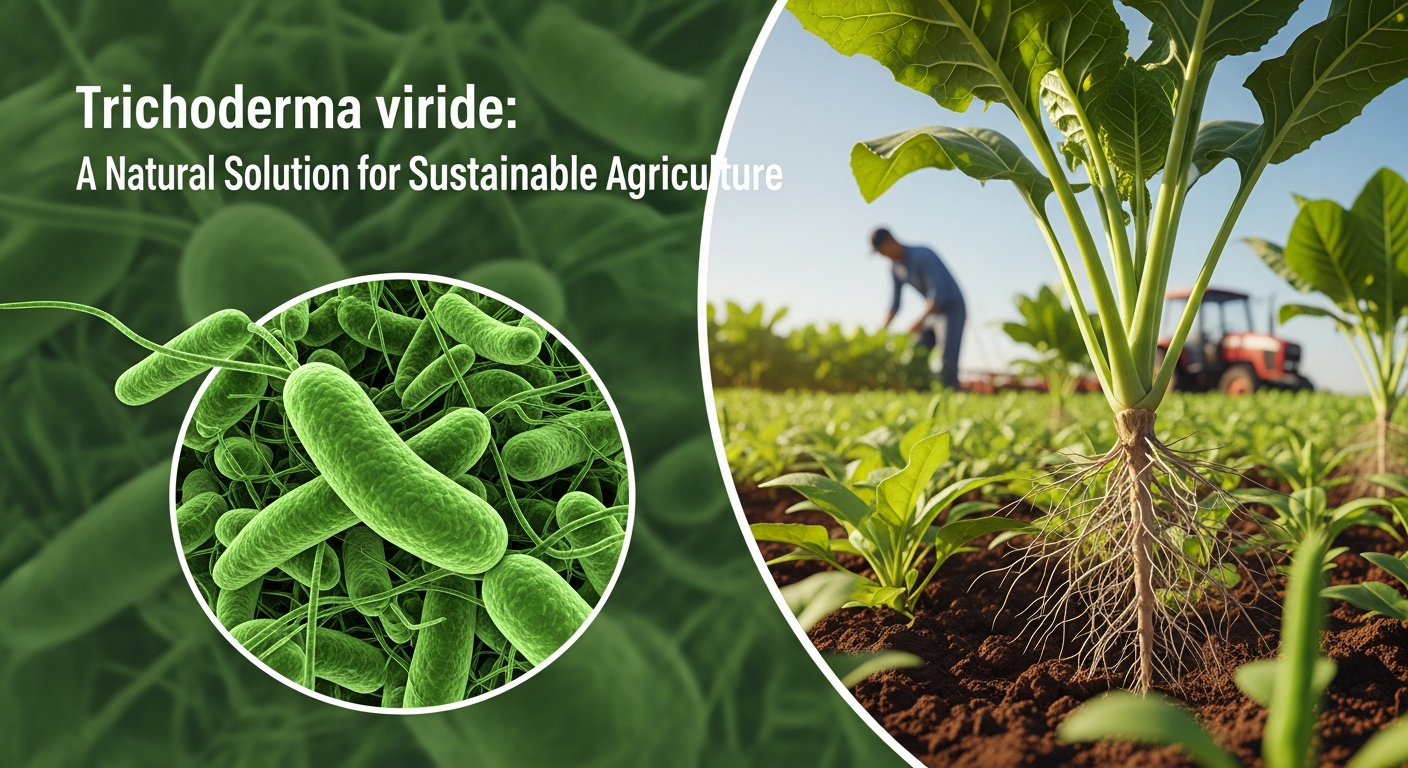
Trichoderma viride is a highly effective beneficial soil fungus that is an important part of modern sustainable agriculture. It is often referred to as a "bio-fungicide" because it provides an additional layer of natural protection against soil-borne pathogens like Fusarium and Rhizoctonia, by colonizing the root systems of plants. In addition to providing additional protection from disease causing organisms, this fungus aids in stimulating the plant's immune system to develop its own natural defense mechanisms known as induced systemic resistance, thereby allowing crops to tolerate and cope with environmental stresses such as drought and excessive salinity.
Trichoderma can be applied to virtually all types of crops including cereals, legumes, fruit crops, and decorative ornamental plants. The application of Trichoderma benefits from enhanced soil microbial activity through stimulating the degradation of organic matter, resulting in more nitrogen, phosphorus, and potassium (the basic building blocks for healthy plant growth) becoming available to the plant. The end result is stronger root growth and increased yields from Trichoderma, representing a powerful biological alternative to synthetic fertilizers and chemical pesticides.
Understanding Trichoderma viride in Agriculture
Trichoderma viride, a beneficial fungus found in soil, is used in agriculture to create healthy plants, improve soil fertility, and control pathogens. This fungus is important to sustainable farming because it supports plant growth, builds stronger root systems, and increases microbial activity in the soil.
Farmers worldwide are using trichoderma for plants to achieve increased yields with less reliance on chemical fungicides. To use trichoderma to grow healthy crops and manage soil sustainably, it is important to understand the biology and function of trichoderma.
What is Trichoderma viride?
Trichoderma viride is a naturally occurring fungus that is characterized by rapid growth and the ability to oppose many plant pathogens. It is one of the most commonly used species in agriculture for biological control.
Characteristics:
- Fungal Type: Ascomycete fungus
- Natural Environment: Soil and plant rhizospheres
- Action: Competes with harmful microorganisms and produces enzymes that degrade pathogens.
- Toxicity: Non-toxic to plants and humans.
Benefit of Knowing About Trichoderma: Farmers can introduce trichoderma fungi through soil amendment or seed treatments and achieve natural control of root rot, wilting, and damping off diseases by using trichoderma as a sustainable alternative to conventional chemical treatments.
Why Trichoderma Fungus Matters for Crops
The Trichoderma Fungus is one of the most important fungi that will positively impact the growth and protection of crops. Below are some of the major benefits provided by the Trichoderma viride fungus:
Benefits Trichoderma Viride Provides to Crops:
- Trichoderma viride has been found to suppress the growth of many fungi that can cause crop diseases, such as Fusarium, Pythium, and Rhizoctonia.
- Trichoderma viride produces various plant growth hormones that stimulate the elongation of plant roots, which enhances crop production.
- Plants treated with trichoderma can better withstand drought, high temperatures, and soil toxicity.
- Trichoderma viride has been shown to enhance plant uptake of phosphorus, nitrogen, and various micronutrients found in soil.
Things to Keep in Mind When Using Trichoderma:
- Trichoderma viride is most effective when applied to well-drained, moderately moist soils
- Trichoderma can be used in conjunction with compost and organic fertilizers to maximize synergies between trichoderma and organic soil amendments
- Trichoderma viride is a soil fungus that supports sustainable microbial diversity of soil over the long term.
Role of Trichoderma for Plants in Soil Health
Soil treated with trichoderma provides healthier, more productive crops than untreated soils. Below are some of the major ways that trichoderma improves the health of soils.
Functions of Trichoderma in Improving Soil Health:
- Balancing Microbes - The competition that trichoderma has with pathogens in the rhizosphere creates a healthy balance of soil microbes
- Accelerating Decomposition of Organic Matter - Trichoderma viride accelerates the decomposition process.
- Protecting Roots from Diseases - Trichoderma viride generates protective materials that protect plant roots from disease development.
- Improving Fertility of Soils - Trichoderma viride increases the amount of active enzymes and provides increased diversity of the soil microbes.

The Science Behind Trichoderma viride Effectiveness
The mechanism of action for Trichoderma viride is based on its ability to stimulate the plant's natural defense system and ability to also act as a root colonizer for promoting plant growth. There are many ways to utilize the Trichoderma fungi to enhance crop health and optimize soil management.
Mode of Action of Trichoderma Fungus
It produces enzymes and metabolites that prevent the growth of pathogens attacking crops and additionally stimulate plant growth. To support plant growth, Trichoderma viride produces the following compounds that inhibit the development of a wide spectrum of soil borne pathogens.
This process is accomplished by:
- Cellulose-digesting, chitin-digesting, beta-glucan-digesting enzymes produced by Trichoderma viride degrade the cell walls of pathogenic fungi.
- Trichoderma viride releases a number of different secondary metabolites that inhibit pathogen development in the soil
- Trichoderma viride improves the microbial activity in the soil allowing plants to utilize greater amounts of critical nutrients (nitrogen and phosphorus) that would normally be unavailable to them.
The combination of these two processes, controlling pathogenic fungi and promoting plant growth, enables Trichoderma viride to be extremely beneficial for all major crop types.
Antagonistic Activity Against Plant Pathogens
One of the major advantages of using Trichoderma viride is that it provides an antagonistic effect on many plant pathogens, such as Fusarium wilt, Rhizoctonia, and Pythium, thereby providing natural protection for crops.
The Mechanism by which T. viride works includes:
- Competition with disease-causing fungi for space and nutrients within the rhizosphere
- Production of natural antifungal substances that inhibit fungus growth
- Induction of systemic Resistance in plants resulting in a plant immune System
Advantages to the farmer using T. viride:
- Decrease in dependence on chemical fungicides
- Healthier crops with improved immune Systems
- Use of Eco-Friendly and Safer Agricultural Practices
Root Colonization and Plant Interaction
Trichoderma viride establishes a symbiotic relationship with the roots of plants and colonizes the root zone, thereby promoting long-term growth and development of the plant.
Key benefits include:
- Rapid Colonization of the surface of roots, creating a protective barrier against pathogens.
- Enhanced Root Length and Branching, allowing Improved Nutrient and Water uptake
- Increased levels of Plant growth hormones, resulting in increased Growth of Stems and Leaves.

Benefits of Trichoderma viride for Crop Growth
Trichoderma viride is one of the most common beneficial fungi in agricultural practices, offering numerous positive effects on crop yields and soil conditions. When correctly implemented in agricultural practices, Farmers have noted better overall health of Plants, nutrient absorbency, and crop yield through the proper application of Trichoderma, as it is a naturally found ancient fungus. Additionally, Trichoderma viride not only inhibits soil-borne pathogens but also promotes plant growth, making it a vital component of sustainable agricultural practices.
Plant Growth Promotion with Trichoderma for Plants
Trichoderma viride promotes the development of plants by producing hormones, enzymes, and bioactive metabolites that induce plant growth. These natural substances allow plants to grow more vigorously and establish themselves more quickly when they are established.
Key benefits for plant growth:
- Promotes seedling emergence and establishment
- Stimulates the production of growth hormones such as auxins and gibberellins
- Increases photosynthetic value and increases plant growth potential
Why it is Important: Trichoderma for plants allows for rapid establishment of crops, uniformity of growth and development, and improved plant tolerance to environmental stressors.
Improved Root Development and Nutrient Uptake
Trichoderma fungus is critical in enhancing the overall root development and provides the plant with additional sources of nutrients via the fungus. The Trichoderma viride species establishes a presence in the rhizosphere of plants, developing a hospitable environment for healthy root development and microbial activity.
Key Influences on Roots and Nutrients:
- Increased Root Length & Branching = Better Soil Penetration
- Increased Nitrogen, Phosphorus, and Micro-nutrient Uptake
- Suppression of Pathogenic Fungi and Microorganisms that cause root rot
To Optimize Root Colonization and Nutrient Uptake, Use a Soil Drench, Compost, or Seed Treatment to Maximize the Effectiveness of the Trichoderma viride Fungus.
Yield Improvement Using Trichoderma viride
Consistent Utilization of Trichoderma Viride has been Demonstrated to Improve Crop Yields in Multiple Agricultural Systems. The Combination of Enhanced Plant Growth, Root Development, and Disease Suppression has Resulted in Increased Productivity.
Advantages of Utilizing Trichoderma Viride to Enhance Crop Yields:
- Decreased Crop Losses Due to Soil Borne Diseases
- Uniformity in Growth, Resulting in Higher Quality Crops
- Increased Drought, Heat, and Pest Stress Tolerance

Disease Management Using Trichoderma viride
Trichoderma viride is used widely as a natural method to control plant diseases and promote the healthy growth of plants. The use of Trichoderma viride for disease management is one of the mainstays of sustainable agriculture. Farmers are able to use it to manage soil-borne pathogens without using chemicals and to build the overall immunity of their plants.
By using the benefits of Trichoderma viride on their plants, farmers can decrease their crop losses, increase the strength of their plant’s roots, and provide higher yields from their crops without negatively impacting the environment.
Control of Soil-Borne Diseases
The Trichoderma species of fungus is highly effective against a variety of soil-borne pathogens, including Fusarium, Pythium, and Rhizoctonia, all of which are major contributors to the development of root rot and wilt in agricultural crops.
The Key Benefits of Using Trichoderma viride Are:
- Protecting the roots of the crop from pathogenic fungi
- Reducing the incidence of disease in field crops, vegetables and fruit crops
- Increasing the overall vigor of the crop through suppression of harmful microorganisms
How to Use Trichoderma viride :
- Soil drenching around the roots of the plant
- In incorporating into compost and/or organic manure for preventative purposes
- Seed treatment with Trichoderma spore prior to planting

Strengthening Natural Plant Defense Systems
Trichoderma not only protects plants against disease-causing organisms (pathogens) but also utilizes the natural defensive mechanisms of the plant system to strengthen the ability of these crops to withstand stress.
How Trichoderma Works on Plants
- Trichoderma viride will activate the systemic resistance mechanisms of a plant (systemic resistance).
- Trichoderma stimulates the production of enzymes and proteins that protect the plant against disease, which means the plant produces more of the protective substances.
- Trichoderma viride improves root and shoots growth in the plant, creating a more vigorous, healthier plant.
What This Means to Farmers
- Farmers decrease their use of chemical pesticides
- Farmers are able to better tolerate stresses placed on their plants
- Farmers will have healthier plants that are more productive
Reducing Pathogen Resistance Naturally
A problem with the continual use of chemical fungicides is that it can create disease resistance in the organisms causing plant diseases. Trichoderma viride is an alternative biological method to keep the development of disease resistance to a minimum.
Key Benefits of Trichoderma viride
- Biological control instead of chemical control—trichoderma helps fight disease pathogens.
- Trichoderma competes with the disease pathogen for space and resources in the soil.
- Trichoderma produces antifungal enzymes and compounds that inhibit the growth of disease pathogens.
What You Should Do
- Use trichoderma and other biofertilizers in rotation to maintain an effective biological control.
- Apply Trichoderma when the plant is in the early growth stages to the greatest degree of disease suppression.
- Use organic soil amendments to improve soil microbial diversity.

Sustainable Agriculture Advantages of Trichoderma viride
The use of Trichoderma viride in Sustainable Agriculture. Trichoderma viride is a key component of Sustainable Agriculture and provides Farmers with ways to naturally establish healthy food crops while enhancing and maintaining healthy soil ecosystems. Through its capability to suppress major plant diseases, enhance root development, and facilitate nutrient uptake, trichoderma can be a valuable tool for today's environmentally friendly agricultural methods.
Reducing Chemical Pesticide Dependence
By providing Farmers with a natural means of disease management and controlling pests, Trichoderma viride has the potential to significantly decrease the use of chemical pesticide applications.
The Advantages and Benefits of using Trichoderma viride for Disease Control include:
- Suppresses and controls many soil borne pathogen species including Fusarium, Rhizoctonia, and Pythium.
- Provides Plant Protection from Fungal Pathogens leading to reduced crop losses from Fungal Diseases.
- Minimizes the Impact of Chemical Pesticides on the Environment
- Produces Resistant and Healthy Crops to External Stressors.
Best Practices for Using Trichoderma include applying directly to seeds, soil, or compost when planting to create populations of beneficial Trichoderma naturally in the soil that will compete with the soil borne pathogens for nutrients.
Supporting Organic and Natural Farming
The trichoderma type of fungi can be used as a biological agent to enhance the health of organic farming systems; they provide many benefits to the farmer without having to add synthetic materials to their farms.
Benefits that support the principles of organic farming include:
- Soils' Increase Fertility through Acting on Beneficial Fungi
- Increases Plants' Resistance to Disease by Boosting Soil Microbial Activity
- Compatible with Composting and BioFertilizing and can be Utilized as an Input to Create Organic Fertilizers
- Provides Evidence that All Organic Certified Products Have Been Produced Using Organic Certification Methods.
Example of its use: When trichoderma is added to a seed-coating product to be used on plants grown in nursery pots, the trichoderma promotes increased growth and health of seedlings.
Environmental Safety of Trichoderma Fungus
Trichoderma fungi are not harmful to the environment and are biodegradable and do not harm humans, animals or beneficial insects when used as a pesticide.
The application of trichoderma provides the following advantages to the environment:
- No Residue left in Soil or Water from Chemical Pesticides
- Trichoderma promotes the growth of many different types of beneficial microorganisms in our agricultural systems, thus making the system more diverse.
- Trichoderma's effect on reducing contamination of the soil and water with chemicals used as a pesticide helps to maintain sustainable agriculture.

Application Methods of Trichoderma viride in Farming
Trichoderma viride is an effective natural solution for enhancing crop health, increasing soil fertility, and providing disease prevention. As a result of its widespread application, Trichoderma has become a staple in the modern agricultural industry, allowing for eco-friendly and versatile options. To maximize the efficacy of trichoderma on plants, applications should encourage maximum root colonization, inhibit pathogenic organisms within the soil, and allow for increased access to nutrients. Therefore, trichoderma is fundamental to successful sustainable agriculture.
Seed Treatment with Trichoderma viride
Seed treatments with trichoderma viride are among the most effective means to both protect plants from disease at the seedling and early stages and to promote seedling germination and root growth.
Benefits of Treating Seeds with Trichoderma viride
- Protects plants from disease: Provides protection to the seed and seedling from soil-borne pathogens such as Fusarium spp. and Pythium spp.
- Enhances seedling emergence: Provides a boost in seedling emergence and early growth.
Application Method
Trichoderma can be mixed either as a powder or liquid with water and soaked onto the seed for four to six hours prior to planting in order to allow for complete coverage of the seed. Complete coverage is recommended for optimal protection and benefits during the early stages of growth.
Soil Application Techniques for Trichoderma for Plants
Trichoderma is at its most effective when it has been mixed with 100kg of moist organic compost and kept in a cool, dark location for one week (to allow for multiplication). Once the enriched mix has been created, it can be broadcast (spread) over the entire field or used to fill seedling holes during soil preparation. Maintain the moisture level of the soil and refrain from using any chemical fungicides
- The Enrichment Process with Organic Compost. Incubate or "push" the mixture of compost and Trichoderma for a minimum of 7 days to ensure maximum fungus growth.
- Field Application. Once your mix is fully prepared, evenly spread the Trichoderma mixture over the soil before planting your crops.
- Drenching. You may also apply an immediate drench of the liquid suspension at the base of the plant to protect its roots.
- Nursery Planting. The enriched Trichoderma mixture can be applied directly to the seedling bed when planting out young seedlings.

Compost and Organic Matter Enrichment
range of microbes and their associated nutrients will be increased,
supporting the production of strong, healthy crops when used in
conjunction with sustainable/organic farming practices.
Compost Enrichment Benefits:
- Decomposition will occur quicker than without Trichoderma.
- Increased soil microbial diversity, and therefore greater fertility of the soil.
- Increased available nutrients for crops, naturally.
- Improved soil structures (water and air retention). Application
Method:
- Apply Trichoderma mycelium powder or granules to compost/organic matter as it is being created.
- Maintain moisture and aeration for optimum microbial activity.
- Apply the enriched compost to the crop fields for healthier plants and to produce more disease-resistant crops.
Best Practices for Using Trichoderma viride
The Trichoderma viride fungus can effectively enhance plant growth, treat soil-borne diseases, and improve soil structure, making it a valuable tool for producers interested in environmentally friendly solutions to their farming needs. However, to get the most from Trichoderma, producers should be aware of the best practices regarding its application, handling, and storage. Understanding how Trichoderma interacts with soil, fertilizers, and the environment will help producers achieve optimum health for their crops, while simultaneously supporting sustainable yields and maintaining soil quality.
Compatibility with Fertilizers and Inputs
When using trichoderma fungus on crops, it is imperative that you are mindful of its use with other inputs and fertilisers, and that you take the necessary precautions to keep from adversely affecting the effectiveness of trichoderma. Some chemicals can adversely affect or eliminate trichoderma.
Compatibility considerations are as follows:
- Organic fertilisers: are fully compatible with trichoderma, and aid in enhanced growth of trichoderma fungus
- Chemical fertilisers: should be applied with caution; 2-3 days should pass before or after applying trichoderma.
- Chemical fungicides: mixing with trichoderma is not recommended due to the ability of chemical fungicides to kill trichoderma spores.
- Pesticides/Insecticides: in general pesticides/insecticides are compatible; however, you always should refer to the product label prior to application.

Optimal Dosage and Application Timing
The amount of Trichoderma viride that is applied on seeds should be between 2 and 5 grams per kilogram of seeds or 10 to 20 grams per square meter of soil. The optimal method of applying this product will provide for the greatest level of disease reproduction suppression, root colonisation, and promotion of growth to the crop (Recommendation: Application immediately upon planting the seeds, before planting time (pre-planting).
Correct Application gives the following Fiduciary Benefits:
- More rapid root development
- Improved nutrient absorption
- Better potential for disease resistant crop
- Healthier, stronger crops
Storage and Handling of Trichoderma Fungus
Proper storage and handling is required for the use of Trichoderma fungus; improper practices can lead to the development of spores that are no longer viable or produce beneficial effects to the farmer's crops.
Key Storage Tips:
- Always store the spores in a cool, dark area, and away from direct sunlight and excessive heat and moisture.
- Do not leave the spores exposed to UV rays.
- Only remove the spores from their original sealed containers immediately before planting.
- Always use the product within the manufacturer's indicated shelf-life.
Proper Handling Recommendations:
- Use gloves when mixing dry powder or liquid formulations.
- Avoid breathing the spores directly into your lungs.
- Do not allow the spores to pre-soak in the water for long periods before applying them.

FAQs:
Q1. Is Trichoderma viride Safe for Food Crops?
Yes, Trichoderma viride is completely safe for food crops and widely used in organic and sustainable farming.
Q2. Which Crops Benefit Most from Trichoderma for Plants?
Vegetables, fruits, cereals, pulses, and ornamental plants benefit the most from trichoderma for plants.
Q3. Can Trichoderma Fungus Replace Chemical Fungicides?
Yes, trichoderma fungus can naturally suppress soil-borne diseases and reduce the need for chemical fungicides.
Q4. How Often Should Trichoderma viride Be Applied?
It is typically applied every 20–30 days or at critical crop growth stages for best results.
Q5. Does Trichoderma viride Improve Soil Fertility?
Yes, Trichoderma viride enhances soil fertility by promoting beneficial microbial activity and nutrient cycling.
Conclusion: Trichoderma viride for Healthier Crops and Sustainable Farming
Trichoderma Viride has been recognized as an excellent solution for Improving Crop Health and Soil Quality. The compound promotes the growth of deeper roots, increases the amount of nutrients that are absorbed, suppresses disease and other damaging factors which negatively affect crop quality. Farmers who use Trichoderma will find themselves in a position where they are able to utilize biological alternatives instead of relying on synthetic inputs to cultivate their crops, while simultaneously supporting Sustainable Practices in Agriculture.
By knowing how to Apply Trichoderma Correctly for Plants will ensure stronger plants, resistant to diseases and therefore more yield, as well as a greater balance to their soil Ecosystem. Trichoderma can be used on most common crops; Vegetables, Fruits, Cereal Grains, and Ornamental Plants. Trichoderma is essential to many forms of modern, Environmentally-Friendly agricultural Systems.
Farming with Trichoderma as part of a farmer’s routine will enable him/her to lessen their dependence on Chemical-Based Agriculture, improve soil fertility, and provide long-term production. By choosing Trichoderma Viride today you support Sustainable, Resilient, and Environmentally Responsible Agriculture.