

Unlocking the Power of Organic Mycorrhiza for Healthier Plants and Sustainable Gardening
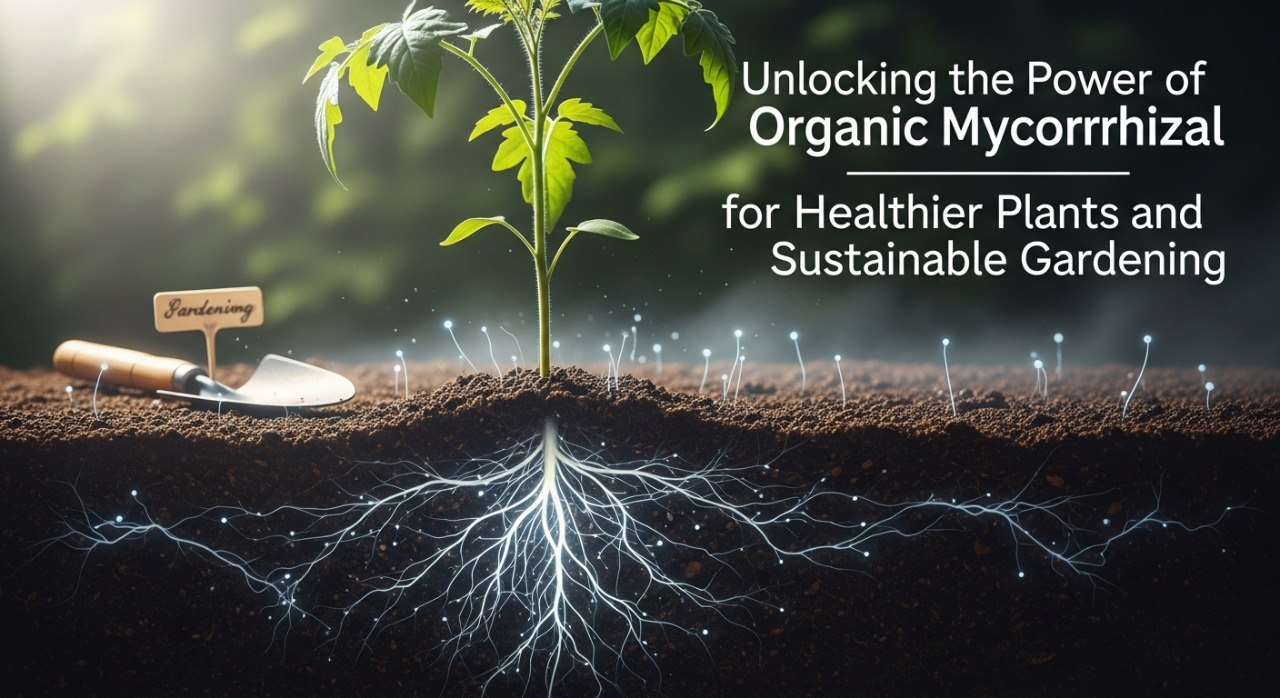
Organic mycorrhizal fungi have been a natural, environmentally friendly solution since olden days to promote the growth and health of plants in earth’s terrestrial ecosystems. Organic mycorrhizal fungi provide essential nutrients, promote root growth, and enhance soil biology; thus providing powerful benefits to modern agriculture and gardening.
Mycorrhiza can easily be incorporated into your farming practices, making mycorrhizae an extremely useful tool used to enhance the absorption of nutrients and the resistance to stress due to environmental constraints.
Every application of mycorrhizal fungi strengthens the plant's roots and enhances soil fertility! Because of these beneficial effects, mycorrhizal fungi create healthier plants and a more sustainable growing environment!
Understanding Organic Mycorrhiza: What It Is and Why It Matters
Organic mycorrhiza is an organic biological system where good fungi work together with plant roots to increase the amount of nutrients that can be taken into the plant as well as improve the health of the soil.
The partnership and interaction between fungal and plant roots is an important factor in sustainable agriculture as it improves plant root efficiency and promotes long-term soil health. When farmers use organic mycorrhizae methods in their cultivation practices, it enhances new development of plant mycorrhizal fungal activity and creates a healthy soil community.
What is Organic Mycorrhiza?
Mycorrhiza is an organic fungal inoculant in nature that helps build a beneficial relationship between the fungus and plant roots. The mycorrhiza will extend the root system of the plant through tiny, hair-like structures, thus providing the plant with greater amounts of water and nutrients to use.
Highlights of Core Functions:
➡ Natural: Comes from an organic fungal source
➡ Roots: Create a direct connection between the fungus and the plant’s roots
➡ Nutrients: Help release nutrients from the soil so they can be used by the plant
➡ Soil: Increase the level of biological activity in the soil
➡ Support: Help with establishing the plant
How Mycorrhiza Forms a Symbiotic Relationship
Mycorrhiza are fungi that partner with plants to help each other survive and thrive in the environment, thus creating a mutually beneficial relationship. This biological relationship helps improve the plants' metabolism; it also helps improve soil nutrient cycling and the health of the soil.
The process of symbiosis can be summarized in the following steps:
- The plant supplies sugars/carbohydrates to the fungus
- The fungus supplies nutrients/water to the roots of the plant
- The hyphae of fungi colonize the plant root by either penetrating or wrapping around the plant roots
- The exchange of nutrients occurs at specialized structures (most often located at the root tip)
- Both the plant and fungi benefit from this relationship through efficient growth.

Why Organic Mycorrhiza is Essential for Soil Health
Mycorrhiza is an optimal means of ensuring the health of soils through its involvement in enhancing soil structure, improving soil fertility, and enhancing the ecological health of soils by building a living support system for the development of productive & sustainable long-term soils.
Benefits of Healthy Soils:
✔ Enhances Aggregation/Aeration of Soil
✔ Enhances the Presence of Beneficial Micro-organisms
✔ Increases Cycle Efficiencies of Nutrients
✔ Lessens Soil Degradation/Erosion
✔ Enhances Fertile Soils for Longevity
The Science Behind Organic Mycorrhiza and Plant Growth
Organic mycorrhiza is effective because it forms a biolink between the roots of plants and the nutrients available in the soil through a natural process. This means plants can absorb more nutrients, use more water, and promote healthy soil. By enhancing the mycorrhizae of plants through environmentally friendly methods, both farmers and gardeners can enhance the growth, endurance, and continued productivity of plants in a sustainable manner.
Nutrient Absorption and Root Development
Mycorrhizae have a positive effect on plant nutrient uptake by helping to extend root systems with fungi (mycorrhizal hyphae) to help get to nutrients that are not normally accessible to the plant.
Key Points
➡ Improved phosphorus and micromineral uptake
➡ Increased root surface area to allow plants to absorb more water/nutrients from soil
➡ Improved root structures to create stronger roots and more branching
➡ Increased nutrient-use efficiency for all nutrients
➡ Enhanced early plant growth

Improved Water Retention and Drought Resistance
Mycorrhizal fungi aid plants in better utilizing available water by enhancing moisture uptake and alleviating drought stress during periods of low soil moisture.
The process works as follows:
- The fungal hyphae will absorb water from the soil and deliver it to plant roots.
- The extended root system provides plants with access to greater depth of soil that has more available moisture.
- The soil structure of the roots and the surrounding area is improved, leading to a greater amount of water being retained.
- The plant's ability to adapt is improved by the increased moisture available, resulting in less drought stress.
- Decreased loss of moisture through evapo-transpiration will produce better surviving plants.
Soil Microbiome Enhancement and Plant Health
When plants and soil have organic mycorrhiza fungi, it promotes a thriving soil microbiome, which also helps provide beneficial microbial populations that contribute to creating healthy plant talk. It enhances soil microbiome through increased activity of beneficial microbes and ultimately enhances performance of plants.
Soil/Plant Benefits:
- Increase population of beneficial microorganisms in soil
- Improve soil aeration/structure
- Repress harmful pathogens in soil
- Strengthen immunity of plants
- Increase soil fertility for long-term use
Key Benefits of Organic Mycorrhiza in Gardening and Farming
Mycorrhizae are an increasingly common component of modern sustainable agriculture. In establishing a natural relationship with plant roots, mycorrhizae enhance nutrient availability, increase the strength of plants, and restore the health of soil.
This makes mycorrhizae a valuable option for producing higher yields while preserving the environment.
Improved Plant Growth and Yield
Mycorrhizae derived from organic sources promote the rate of establishment and initial growth of plants through an increase in nutrient uptake, and therefore create crops that are more robust and that produce larger yields.
Important features:
- Increase plant establishment speed and initial growth rate of plants
- Increase rate of phosphorus and micronutrient uptake
- Develop a stronger root system, providing a greater ability to uptake nutrients from the soil
- Increase flowering and fruiting ability
- Produce a greater overall yield and quality of crops than what would occur without the use of mycorrhizal fungi.

Reduced Chemical Fertilizer Dependency
The use of mycorrhiza leads to a decrease in chemicals required for fertilizer by improving the supply of nutrients from the soil to the plant. When using mycorrhiza,
there are five primary ways in which this reduces the need for chemical fertilizers:
- Natural mobilization of nutrients from the soil's reserves
- Efficient transport of nutrients via the mycorrhizal fungal network
- Greater planting efficiency relative to available nutrients
- Decrease in the quantity of nutrients that leach from the soil
- Promote nutritional balance and sustainability
Enhanced Disease Resistance and Stress Tolerance
Using Organic Mycorrhiza may help improve a plant’s natural defense system and its ability to overcome a variety of diseases and environmental threats.
The Benefits of Organic Mycorrhiza – Plant Health
- Increase the ability of plants to resist soil borne pathogens.
- Increase the tolerance of drought and heat stress.
- Improve the natural immunity of plants.
- Reduce the effects of harmful pathogens.
- Increase the overall resilience of plants.
The Role of Organic Mycorrhiza in Sustainable Agriculture
The presence of mycorrhizal fungi in soil is one of the main components of a sustainable agricultural system. They help to increase soil fertility, decrease chemical inputs, and provide crops with enhanced ability to tolerate stress.
When farmers create a mutual relationship between their crops and the mycorrhizal fungi in their soil over time, they will be able to maintain high crop productivity while also protecting the quality of the soil and the environment.
Supporting Eco-Friendly Farming Practices
Mycorrhizal applications lead to the improvement of environmentally safe agricultural practices through reduced usage of synthetic pesticides or fertilizers and based primarily on more natural systems.
Main Points:
- Decrease in chemical fertilizer uses
- Reduction in soil and/or water contamination
- Enhancement of organic and sustainable agricultural practices
- Improving natural nutrient flow within the soil.
- Promotion of environmentally sound crop production practices.

Soil Fertility and Long-Term Sustainability
Mycorrhizal fungi help to make nutrients more accessible and stabilize soil structure over time; this increases the overall fertility of soils.
How it works:
- Fungal Networks Increase Soil Aggregation
- Breakdown of Organic Matter = Increased Availability of Nutrients
- Helps to Create a Stable, Aerated Structure (Soil)
- Improves the Efficiency of Nutrient Cycling
- Increases Long-Term Soil Productivity.
Contribution to Biodiversity and Soil Life
Soil biodiversity is promoted by organic mycorrhiza (symbiotic fungi) because organic mycorrhiza increases populations of beneficial microbes and helps establish an overall ecological balance.
Benefits Of Soil-Borne Fungi:
- Increased diversity of soil-borne microbes
- Supports beneficial soil-borne microorganisms such as bacteria and fungi
- Improves activity of the soil food web
- Increases microbe to root interactions
- Provides balance of habitats in soil systems
How to Apply Organic Mycorrhiza Effectively
To promote root colonization and plant benefits from using organic mycorrhizae correctly, these methods should be used in accordance with proper practices for improving the establishment of root mycorrhizal fungi and supporting continued soil health over time.
Seed Treatment and Root Application Methods
Using mycorrhiza at either the seed or root stage will result in early colonization of mycorrhiza, leading to better plant growth later on.
Key Takeaways:
- Coat seeds prior to planting
- Dip roots in mycorrhiza when transplanting
- Mix nursery soil and mycorrhiza prior to planting
- Place mycorrhiza directly in the root zone
- Apply when the soil is damp
Soil Preparation and Application Timing
Proper soil preparation and timely application will determine the success of organic mycorrhizae:
1) Soil should be loose and aerated;
2) Application should be made to 5-10 cm depth in close proximity to root zone;
3) There should be adequate moisture to enable activation of mycorrhizae;
4) At first, high phosphorus containing fertilisers should not be used;
5) Application should be made when seedlings are young, early in their growth.

Compatible Plants and Best Practices
Plants have different responses to mycorrhizae; therefore, it is important to choose compatible crops and apply best management practices.
Best Management Practices:
- Most crops (e.g., cereals, vegetables, and fruits) will benefit from mycorrhizae.
- Do not use (or avoid using) on non-mycorrhizal crops (e.g., brassicas).
- Combine organic inputs together with mycorrhizae for best results.
- Reduce excessive application of chemicals.
- Maintain adequate moisture and healthy soils.

Choosing the Best Organic Mycorrhiza Products
Choosing the appropriate organic mycorrhizae product is critical to establishing root colonisation successfully and obtaining long-term soil benefits. There are numerous formulations of mycorrhizae products now available, therefore being knowledgeable of the quality of mycorrhizae products, the fungal types included, and their compatibility with specific crops can help to improve the mycorrhizal performance of any plant species.
By selecting a suitable product from the range of options available you will achieve better nutrient uptake, increased plant growth, and improved overall sustainability in your farming practices.
What to Look for in Quality Mycorrhiza Products
Quality organic products that contain mycorrhiza means your beneficial fungus(s) will have a greater chance to survive and be effective in the soil.
Some Important Factors to Consider:
- High spore counts will improve chances of success.
- Multiple species/strains of beneficial fungus.
- Good storage life and stability.
- Organic material helps protect the product from damage during transit and distribution.
- Quality of the product must be verified by either a certifying agency or a laboratory.

Types of Mycorrhizal Inoculants Available
There are different formulations and methods of applying mycorrhiza products based on their application to meet a specific agricultural need.
Some common types explained:
- Powder form - the easiest form to use for both seed treatments and mixing into soil
- Granular form - the best method for applying in fields and allowing a long release
- Liquid form - ideal for use in drip irrigation or a fast application; Gel/root dip - the best method for transplanting
- Compost mix - typically found in organic farming systems
Selecting the Right Product for Your Soil and Plants
Selecting a suitable Organic Mycorrhiza involves factors such as your crops, soil and agricultural procedures.
Selecting Guidelines:
- Ensure compatibility of the product with your crops (e.g., vegetables or fruits versus grains).
- Check your soil type prior to selection (e.g., sandy versus clay / loam type soils).
- Select compatible fungal strains for your crops.
- Preference should be for products that are certified organic.
- As with the other selections - Avoid selecting products that are not compatible with each other, i.e., chemical mixtures that do not work well together.
FAQs
Q1-What is organic mycorrhiza?
Organic mycorrhiza is a natural beneficial fungus that forms a symbiotic relationship with plant roots to improve nutrient uptake.
Q2-How does mycorrhiza help plants grow?
Mycorrhiza enhances nutrient and water absorption, leading to stronger roots and better plant growth.
Q3-Can organic mycorrhiza replace fertilizers?
Organic mycorrhiza reduces fertilizer needs but works best when combined with balanced nutrient management.
Q4-Is organic mycorrhiza suitable for all plants?
Organic mycorrhiza benefits most plants, but some like brassicas show limited response.
Q5-When should I apply organic mycorrhiza?
Organic mycorrhiza should be applied during seed sowing or early growth stages for best results.
Conclusion: Embrace Organic Mycorrhiza to Boost Plant Health Naturally and Sustainably
Using organic mycorrhizae in agriculture is an important step in improving the overall health of plants and developing an environmentally sustainable agricultural system. The relationship between the mycorrhizae and the roots of the plant allows for the absorption of more nutrients by the plant, greater amount of root system development, and the development of a better soil structure. These benefits will lead to healthier plants, increased plant growth, and greater production levels of crops without the reliance on synthetic chemical inputs.
Using mycorrhizal fungi in agriculture and gardening will not only increase crop yield but also promote long-term soil fertility. Mycorrhizae help create an even distribution of soil through having a balanced population of beneficial microorganisms and also improve the retention of moisture in the soil. This helps the plant resist drought and disease, ensuring the crop will have a stable yield even in harsh growing conditions.
As agriculture moves to a more sustainable and eco-friendly direction, organic mycorrhizal fungi provide an excellent solution for farmers to use. By utilizing an organic mycorrhizal product, farmers will have more efficient farming practices while protecting the quality of the soil and supporting an environmentally sustainable future while maintaining their current levels of production and profit.