
What is Trichoderma? Discover the Benefits of This Powerful Fungus for Your Garden
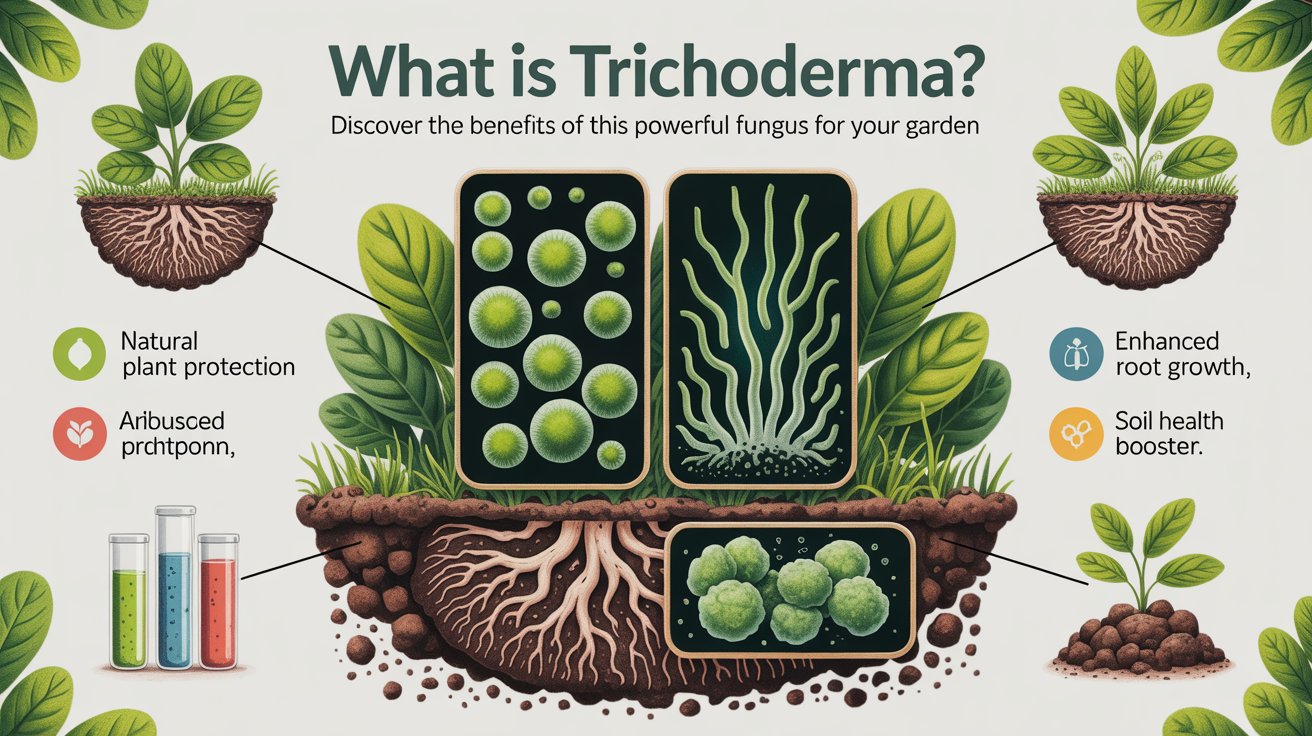
Trichoderma is a genus of fungi found in nature with an unparalleled ability to foster the growth of crops, as well as improve the health of the soil. As a beneficial microorganism, it works as a biological control agent, protecting plants from harmful pathogens and promoting overall plant vitality. What is Trichoderma used for? Trichoderma is used mostly for the prevention of plant diseases, the stimulation of growth in these plants, and the further enhancement of soil structure through decomposition. Trichoderma maintains the soil in an equilibrium condition so that plants flourish in their growth.
Incorporating Trichoderma in their gardening methods has proven to be immensely advantageous to both farmers and gardeners alike. Trichoderma promotes disease suppression, particularly phytopathogenic and necrotrophic soil fungi, as well as directly increasing plant nutrient acquisition and resistance to non-living stressors. Utilization of Trichoderma products enables gardeners to improve their plants significantly while lowering the use of chemical pesticides, thereby, attaining eco-friendly gardening.
What is Trichoderma? Understanding the Fungus and Its Role in Nature
Trichoderma is a powerful biological soil control microorganism. Trichoderma fungi and spores, which are found in woody plant remains and soil, are of tremendous importance for proper plant and soil management by enabling proper soil ventilation, breaking down organic matter, and reclaiming soil. It is an eco-friendly biological control incorporated for various soil borne diseases.
What is Trichoderma? An Introduction to the Fungus
Trichoderma are fungi consisting of decaying plants and pure soil. They consist of harmful biological factors, soil pathogens. They help to protect and control soil borne diseases and encourage soil ventilation. Their use in agriculture is growing significantly, similar to other microorganisms.
What is Trichoderma used for in agriculture? Trichoderma is widely used in agriculture for its ability to control pests biologically, serving as an alternative to synthetic pesticides. Trichoderma safeguards plants by breaking down harmful enzymes and some pathogens which makes plants healthy and disease-resistant. It helps in the overall health of the plants by increasing the root growth which makes nutrient uptake from the soil easier and offers the plants valuable minerals.
The Different Species of Trichoderma

H3 How Trichoderma Works in Nature for Plant Health
In its natural habitat, Trichoderma helps to protect plants and sustain a healthy ecosystem. It engages with the plants and soil in many ways that helps in plant development and safeguards against plant diseases. This is the way Trichoderma aids in the plant health:

The general health of the garden and farm improves and plants are better able to withstand tough conditions. It lowers the dependence of chemical pesticides and fertilizers, thus supporting sustainable farming, and makes it a solution for organic and eco-friendly gardening.
The Science Behind Trichoderma: How It Works to Enhance Plant Growth
Trichoderma fungi are unique since they can enhance growth and health of plants as well as the surrounding soil. Knowing the biology of Trichoderma can help gardeners and farmers make the most of these fungi. Trichoderma is a biocontrol agent and is effective as a biostimulant, improving the health of the plants by increasing the nutrient intake, defending them from pathogen attacks, as well as improving the soil structure. Trichoderma is renowned for its remarkable effectiveness in its application, and we shall explore the reasons for this.
The Mechanism of Trichoderma in the Soil
Trichoderma species are well known soil fungi, as they are in contact with soil dwelling harmful and beneficial fungi. The fungus is important in biological control as it actively defends plants against soil-borne diseases. In this situation, what is Trichoderma used for? Trichoderma fungi are well known for defending against root damaging fungi such as Fusarium and Pythium. It has been known for a long time that these fungi can cause damage to plants. Trichoderma cancels the root damaging fungi by competing for nutrients and by antagonistic mechanisms that include the production of enzymes and toxins that suppress the growth and replication of such fungi. In addition, it protects plant roots by forming a protective barrier which helps fend off colonization of pathogens.
Besides pathogen suppression, Trichoderma aids in the decomposition of organic matter within the soil, releasing beneficial nutrients for plant absorption, thus enriching the soil and improving fertility. Trichoderma sustains a healthy soil ecosystem by outcompeting fungi and by promoting the cycling of nutrients.
How Trichoderma Interacts with Plant Roots
Trichoderma fungi have a symbiotic association with plant roots, which is a primary reason for their plant growth promoting activities. Addition of Trichoderma into the soil leads to colonization of the plant roots surface where a protective barrier is formed. Such colonization not only thwarts attacks of harmful pathogens at the plant roots, but also prompts the plant’s protective mechanisms to mount weathered attacks of pathogens, thus fortifying the plant’s defenses against diseases.
Trichoderma also releases certain growth promoting substances that assist root growth. Such compounding substances assist in the production of lateral roots to create a stronger and more branching root system. A sound and well-developed root system allows better intake of water and nutrients which enhances the health and vigor of the plant.
Enhancing Nutrient Uptake with Trichoderma
Trichoderma’s key strength is improving the uptake of nutrients by plants. Trichoderma assists in mineralization of organic matter in soil, thus releasing nutrients such as nitrogen, phosphorus and potassium. Such nutrients, though essential for growth, are normally stored in a form that is hard for the plants to access. Trichoderma helps by producing enzymes which convert these nutrients into simpler forms to be absorbed readily.In addition, Trichoderma helps in improving the efficiency of the absorption of nutrients by the roots of plants. This is particularly helpful in poor soils, because that is where Trichoderma is able to assist plants in obtaining the nutrients needed for growth. While strong absorption of nutrients helps in the growth of the plants, it also helps in improving resistance to environmental stress, diseases, and pests.
What is Trichoderma Used For? Key Benefits for Plants and Soil
Trichoderma is increasingly recognized as an effective and multifunctional fungus that contributes to plant immunology and soil health. What is Trichoderma used for? It is first as a biological control for pathogens, stimulating soil health, and plant growth alongside a biological control agent. Trichoderma and it's soil refining traits make it a necessity for organic and sustainable farmers.
Trichoderma’s Role in Disease Resistance
Trichoderma is best known as a biocontrol agent for providing immunity to crops. What is Trichoderma used for medicine? It is effective at preventing root infections caused by Fusarium, Pythium and Rhizoctonia as it is a potent biocontrol. Trichoderma is helpful when there is competition because he will not only fight for food and space, but also beat those bad fungi. Trichoderma helps to reduce the occurrence of root diseases, ensuring that the plants are healthy and strong.
Moreover, Trichoderma stimulates the activation of the defense mechanisms of the plant. As Trichoderma colonizes plant roots, it triggers the plant’s immune response which enhances the plant’s resistance to succumbing to subsequent infections from different pathogens. The ISR, as it is commonly called, enhances the plant’s capabilities to autonomously mitigate the attacks, ultimately resulting in healthier and more productive crops.
Promoting Plant Growth with Trichoderma
Trichoderma accelerates the development of roots which underpin plant growth and additionally fortifies nutrient uptake. What role does Trichoderma play in the development of plant growth? It aids in nutrient absorption. One of the roles of Trichoderma in the soil is to establish symbiosis with the plant roots. Trichoderma helps to fortify the roots of the plants, which helps in the optimal utilization of water and in uptake of essential nutrients such as nitrogen, phosphorus, and potassium.
Trichoderma and its functions do not stop there; they further help in the promotion of growth such as the production of hormones like auxins. This leads to the stimulation in the development of roots and the plant as a whole. A plant equipped with a developed and advanced root system is then in a position to support strong and healthy development, leading to vigorous growth. Furthermore, with the help of Trichoderma, the uptake of nutrients by the plants is increased, and thus the plants developed and strengthened, with greater productivity and higher yield of crops.
Benefits of Trichoderma for plant growth

Using Trichoderma for Eco-Friendly Pest Management
The eco-friendly benefits Trichoderma offers make it useful in the division of pest control management. What is Trichoderma used for in pest control? Trichoderma is effective as it is an alternative to chemical pesticides.
The use of chemicals in pest control is unheard of in organic farming. Trichoderma is able to control different kinds of root-feeding nematodes as well as more dangerous soil-dwelling organisms. In addition, Trichoderma assists in fostering a balanced ecosystem in the soil as it helps microorganisms that are harmful actively outcompete good microorganisms. This helps to eradicate the situation of plant preying. The natural balance makes the plants healthier, helps in reduction of pests, and increases crop resilience.
Advantages of Trichoderma in Pest Management:

How to Effectively Incorporate Trichoderma into Your Gardening Practices
Trichoderma fungi are other useful fungi as they make it easier for gardeners to care for plants by improving their performance, increasing soil fertility, and defending the plants against diseases. What is Trichoderma helpful for in gardening? Assists in improving plant performance, averts root rot, and enhances absorption of nutrients. Proper knowledge on the application and use of Trichoderma in gardening can greatly improve plant health, increase yields, and result in overall better gardening experience. Here are some ways to use Trichoderma in your gardening practices.
Applying Trichoderma in the Garden
To get the most out of Trichoderma, it’s essential to apply it correctly in your garden. What is Trichoderma used for in terms of application? This fungus is typically used to treat soil and seeds, providing a protective barrier against harmful pathogens and enhancing plant growth. The application method can vary depending on the form of Trichoderma you are using (powder, liquid, or granular). Below are common ways to apply Trichoderma:

Using Trichoderma as a seed treatment or soil drench is most common, but foliar sprays and compost enrichment can also be effective, depending on your gardening needs.
Best Practices for Trichoderma Inoculant Usage
To get the most out of Trichoderma in your garden, it is essential to follow dos and don'ts on inoculant usage. Here are a few of the most important ones.
- Always use fresh Trichoderma inoculants as they contain the most active spores. If the inoculant is old, the spores in it are most likely inactive and as a result, the inoculant will lose its effectiveness.
- Trichoderma should be stored in a cool and dry space, away from sunlight. Like most products, poor storage will greatly reduce the quality of Trichoderma and its effectiveness.
- Inoculants should be applied on moist soil as this will allow for spores to colonize the roots and soil. Applying the inoculant in waterlogged soil will not provide any benefits as too much water is not ideal for inoculation.
- The assumption that excess Trichoderma will yield better results is not true. While it is a helpful product, Trichoderma in excess will disrupt the natural balance of microorganisms in the soil.
Trichoderma is a reliable garden product and following the instructions provided will ensure the smoother operation of Trichoderma in the garden and the soil will be healthy.
Tips for Using Trichoderma with Other Gardening Inputs
Integrating Trichoderma with other gardening inputs, such as fertilizers, pesticides, and other biological agents, can improve overall plant health and reduce the need for chemical interventions. However, what is Trichoderma used for when combined with other inputs? It works synergistically with various products to boost plant growth, disease resistance, and soil fertility. Here are some tips for using Trichoderma effectively with other inputs:

When using Trichoderma alongside other inputs, it's important to apply them in a way that complements each other, rather than disrupting their activity. For example, applying Trichoderma with organic fertilizers or other biological agents like Azospirillum can enhance nutrient uptake, improve plant growth, and reduce soil pathogens.
The Environmental Impact of Trichoderma: Promoting Sustainable Agriculture
Apart from being very effective in maintaining the health of the plants, Trichoderma has emerged as an important ally in the promotion of sustainable agriculture. What is Trichoderma used for in sustainable agriculture? This beneficial fungus increases the resilience of the agroecosystem as well as reducing the over-use of chemicals. The adoption of Trichoderma in agriculture increases the yield of plants, as well as improving the overall health of the plants, while decreasing the carbon footprint on the environment.
Trichoderma’s Role in Sustainable Farming Practices
Trichoderma’s application has proven beneficial for the farmer sustaining the farming although reducing his operating costs, Checking the balance of the chemicals used as well as reducing the over-use of chemicals are steps converging on the agro-ecosystem as a whole. What is Trichoderma used for in sustainable farming? Trichoderma has many positive effects in sustainable farming as it increases soil productivity, improves the breakdown of organic matter, and enhances the nutrient throughput of the soil. These functions are vital in organic and sustainable farming.

How Trichoderma Reduces the Need for Chemical Pesticides
Trichoderma is a natural, effective alternative to chemical pesticides. What is Trichoderma used for in this context? It naturally suppresses soil-borne pathogens and reduces pest infestations without the need for harmful chemicals. By using Trichoderma in farming practices, growers can significantly reduce the use of synthetic pesticides, promoting a more eco-friendly approach to pest management.

By outcompeting harmful pathogens for nutrients, Trichoderma reduces the need for chemical fungicides and pesticides. This helps create a safer environment for beneficial insects and pollinators, improving biodiversity.
Trichoderma as a Natural Pest Control Solution
Trichoderma is an excellent natural pest control solution that works by protecting plants from harmful microorganisms. What is Trichoderma used for in pest management? Trichoderma produces antifungal and antimicrobial compounds that inhibit the growth of pests and pathogens, effectively acting as a natural pest repellent. By incorporating Trichoderma into pest management strategies, farmers can reduce the use of chemical treatments and foster a healthier, more sustainable farming system.

Common Myths About Trichoderma Debunked
Trichoderma is one of the most widely used beneficial fungi in agriculture, but despite its many advantages, several myths still surround its use. These misconceptions often discourage gardeners and small-scale farmers from incorporating Trichoderma into their practices. What is Trichoderma used for? This fungus is an effective biocontrol agent that boosts plant health, promotes growth, and improves soil health. Let’s address and debunk some of the most common myths about Trichoderma.
Trichoderma is Only for Professional Farmers - False

Trichoderma Can’t Be Used with Other Inputs - False

Trichoderma Is Harmful to Other Microbes - False

FAQs
Q1. What is Trichoderma and how does it benefit gardens?
Trichoderma is a beneficial fungus that improves plant health by promoting growth, protecting against diseases, and enhancing soil fertility. What is Trichoderma used for? It helps control soil-borne pathogens, boosts nutrient uptake, and improves plant vigor.
Q2. What is Trichoderma used for in gardening?
Trichoderma is used in gardening to prevent root rot, promote root development, and enhance nutrient absorption. It also helps in disease resistance and improves soil structure, making it an essential tool for healthier plants.
Q3. How can Trichoderma help in pest control?
Trichoderma acts as a natural pest control agent by producing compounds that inhibit harmful pests and pathogens. It competes with these pests for resources and creates a more balanced soil ecosystem, reducing the need for chemical pesticides.
Q4. What are the different forms of Trichoderma available?
Trichoderma is available in several forms, including powder, liquid, and granular. Each form can be applied as a seed treatment, soil drench, or foliar spray, depending on the specific gardening needs.
Q5. Can I use Trichoderma with my current fertilizers?
Yes, Trichoderma can be safely used with most fertilizers. It enhances nutrient absorption and works well with organic and chemical fertilizers, promoting a more effective and sustainable nutrient management system in your garden.
Conclusion: Harness the Power of Trichoderma for a Healthier Garden
Adding Trichoderma to your gardening routine will greatly increase the overall health of your plants and Trichoderma will help support environmentally-responsible practices in agriculture. Trichoderma has a myriad of various uses, such as improving soil quality, enhancing arboreal growth, and even offering biopesticide protection. Trichoderma works by enriching the soil, leading to a more biodiverse ecosystem, thereby creating a more resilient garden. It accomplishes this by inhibiting damaging microorganisms, encouraging better nutrient absorption, and Trichoderma also works synergistically with certain plants to promote improved growth.
If your goals are to increase the vitality of your plants, enhance soil fertility, or even ease your dependency on chemical herbicides, then Trichoderma is a powerful product. Trichoderma will help you build a garden that is truly natural and will blossom and flourish in a sustainable way.